Europe needs Iran in fight against terrorism, drugs: Pundit
Press TV has conducted an interview with Kaveh Afrasiabi, a political commentator from Boston, to discuss the recent remarks by Italian Foreign Minister Paolo Gentiloni backing Iran’s role in resolving tensions in the Middle East, including Syria.
The following is a rough transcription of the interview.
Press TV: First of all, what do you make of President Hassan Rouhani’s trip to Italy? Deals were signed, political and diplomatic ties are being strengthened. What does this mean for Iran as well as the region?
Afrasiabi: Clearly this is a landmark visit and so far has been tremendously successful. This opens a new chapter of relations both in terms of trade, security and other dimensions between Iran and the European Union and President Rouhani’s promise of re-opening to the international community is now being fulfilled before our very eyes and the main purpose of the trip, in my opinion, is to bolster economic ties between Iran and various European countries, Italy and France in particular. And this will set a good example for other countries in Europe to follow. So, this is a very crucial visit and so far has been, as I said, tremendously successful.
Press TV: And of course now the particular remarks by Paolo Gentiloni regarding Iran’s role in counter- terrorism as well as in settling the current issues that we are seeing in the Middle East, is this a realization that these powers within Europe and the West are coming to right now. Why did it take them so long?
Afrasiabi: My personal opinion is that for a long time, because of the nuclear crisis, Europe basically forfeited its Iran policy in Americans' hands but now with the ending of that unnecessary nuclear crisis, American stewardship of Europe’s Iran policy has basically ended and Europeans have a freer hand to devise the Iran policy and the remarks by the Italian foreign minister today and there is course that new developments will deepen security, trade and other relations between Iran, Italy and other European countries. Iran as we know is the frontline state against narcotics, a lot of which is funneled through Afghanistan and central Asia to Europe. It is a problem of mutual and growing concern along with terrorism and so forth. The remark by the Italian foreign minister just shows a new awakening by Europe of Iran’s importance as an anchor of stability and as a bastion of anti-narcotic, anti-terrorism and so on which are of highest importance to Europe today.
Press TV: There are certain regional countries that do not see Iran this way and are not happy and welcoming of Iran’s role in for example fighting terrorism or resolving conflicts, namely Syria. What does that mean for Iran’s role in the region then?
Afrasiabi: There are differences between Iran and some of its conservative Arab neighbors that will probably continue for the foreseeable future and the issue of Syria, which is an issue of key mutual concern for a lot of Europeans who are hit by this tsunami of refugees and so forth has brought them closer to Iran much to the charging of Saudi Arabia and others who are at the losing end of this diplomatic battle with Iran because Iran, as we have seen with Foreign Minister Zarif’s four-point solution for the Syrian crisis, has adopted a very productive and constructive approach toward the bloody conflict in Syria and that has been welcomed by many European politicians.
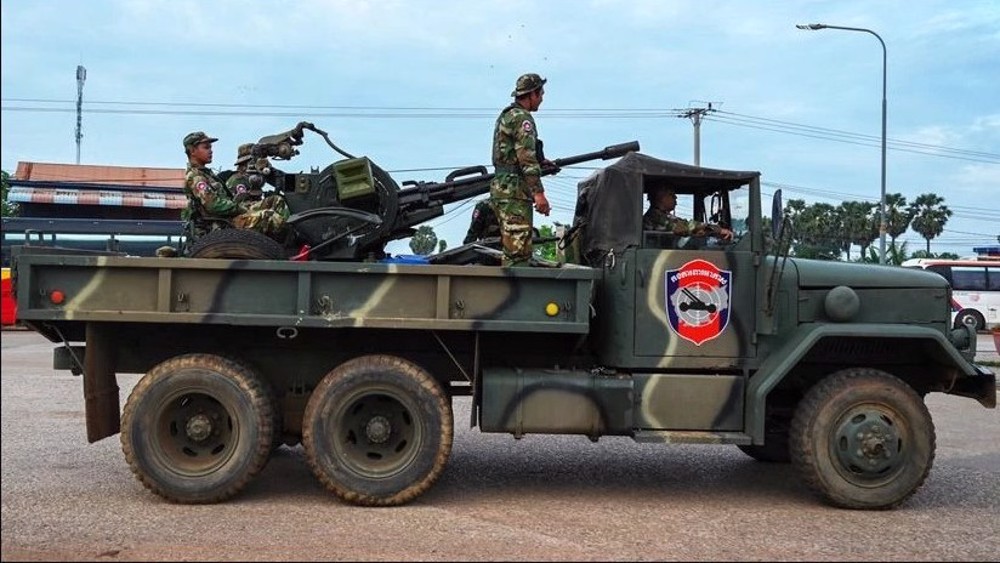
Foreign interference would worsen situation in Thailand-Cambodia conflict: Analyst
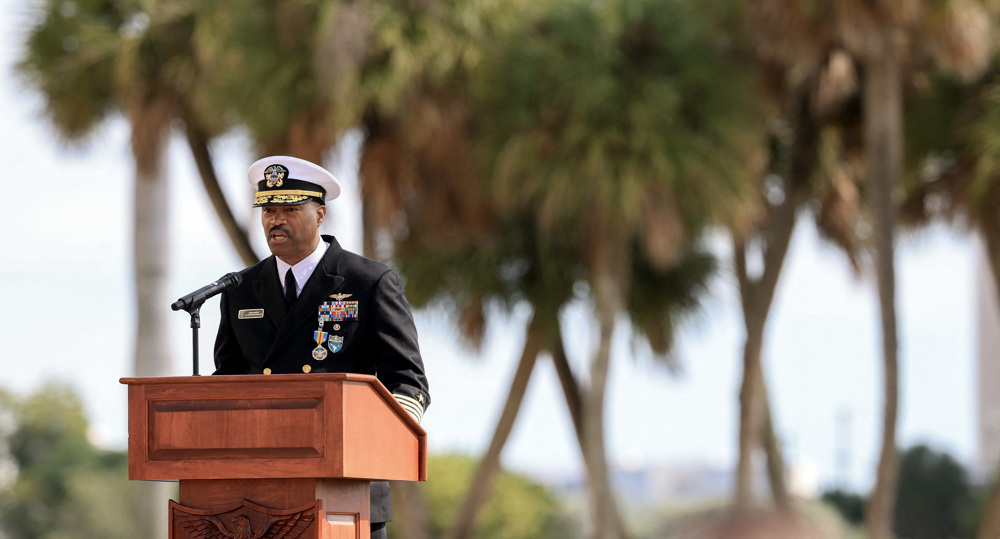
Early retirement of US admiral Holsey paves way for warmongering: Analyst

US seeking to take control of Venezuela’s oil, analyst says


VIDEO | Chileans head to the polls as presidential vote opens
US would face defeat in armed conflict with Venezuela - as in 12-day war: Envoy
Israel’s killing of senior commander threatens Gaza ceasefire: Hamas
Iran condemns ‘violent’ attack on Jewish event in Australia
Afghanistan’s regional integration key to lasting stability: Iran FM
VIDEO | 12 dead, dozens injured in mass shooting at Jewish event in Australia
‘Cinema Verité’ festival and a new geography of global resistance documentary
VIDEO | Iran seeking ouster of US forces from West Asia region: Analyst


 PressTV NEWSLETTER
now
PressTV NEWSLETTER
now

 This makes it easy to access the Press TV website
