Preliminary review of Iran's UNESCO nomination for Historic Port of Siraf successfully completed
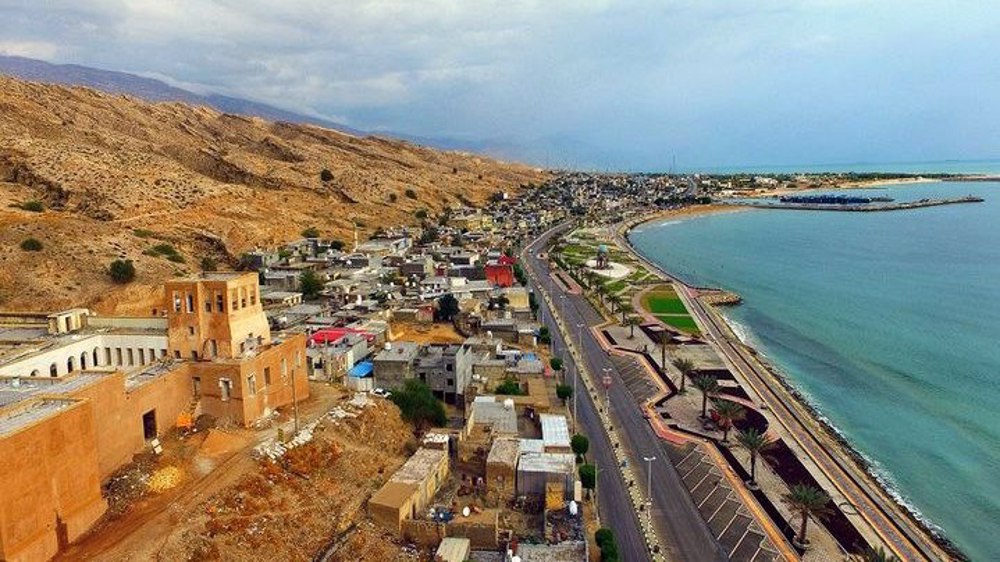
The preliminary review of Iran's nomination dossier for the Historic Port of Siraf, Bushehr province, has been successfully completed, marking a key step in the country's bid to secure UNESCO World Heritage status for the ancient Persian Gulf port.
According to Iranian officials, Siraf has been submitted as Iran's official nomination for UNESCO World Heritage inscription for the 2026 cycle after years of documentation, research, and preparation.
"The Historic Port of Siraf, as Iran's final nomination for the 2026 UNESCO World Heritage cycle, has successfully passed the preliminary review process," Nasrollah Ebrahimi, director general of Bushehr's Cultural Heritage, Tourism and Handicrafts Department, said on Wednesday.
He said the dossier was prepared in around four months despite a process that normally takes nearly two years, following extensive field studies, documentation, and historical research.
"The UNESCO evaluators are expected to visit Siraf in late summer this year to conduct on-site assessments of its conservation, management and community engagement," Ebrahimi added.
Authorities have already begun preservation, restoration and infrastructure work ahead of the experts' visit, while emphasizing that local community participation will be essential to the success of the nomination.
If approved, Siraf could become Iran's next UNESCO World Heritage Site by late 2026 or in 2027.
Iran’s 1,100-year-old Alamut Castle, its military fortifications inscribed on UNESCO World Heritage Listhttps://t.co/H3CeMjQyMd
— PressTV Extra (@PresstvExtra) July 26, 2026
Situated on the coast of the Persian Gulf in Bushehr province, Siraf was one of Iran's most important commercial ports from the Sassanian period until the fourth century AH (10th century CE).
At its height, it served as a major maritime hub connecting West Asia with India, China, East Africa, Oman and Mesopotamia, making it a key link along the ancient Maritime Silk Road.
Unlike many other historic Persian Gulf ports that survive only as archaeological remains, Siraf is regarded as the only continuously inhabited coastal city dating back to the Sassanian era.
The ancient city is also renowned for its sophisticated water management system, which includes rock-cut wells reaching depths of up to 150 meters—an extraordinary engineering achievement for its time.
Archaeologists have uncovered hundreds of unique rock-cut structures in and around Siraf, many of which still puzzle researchers because their original function remains unknown.
Historical records describe Siraf as a prosperous city of wealthy merchants, reflected in the remains of its grand residences, mosques and richly decorated architecture.
Today, Siraf is regarded as one of the most important surviving symbols of Iran's maritime heritage and its long-standing historical presence along the Persian Gulf.
Last month, UNESCO inscribed the 1,100-year-old Alamut Castle and its associated military fortifications on the World Heritage List, bringing Iran's total number of World Heritage sites to 30.
If Siraf is successfully inscribed, it will become the country's 31st UNESCO World Heritage property.
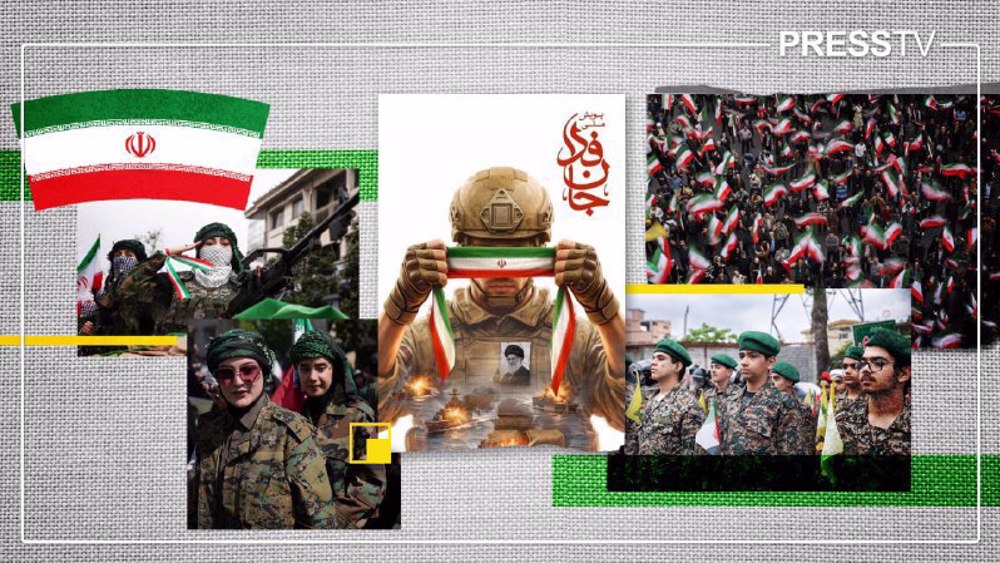
313,000-strong ‘Jan-Fada’ drill signifies Iran’s popular mobilization and social readiness amid war
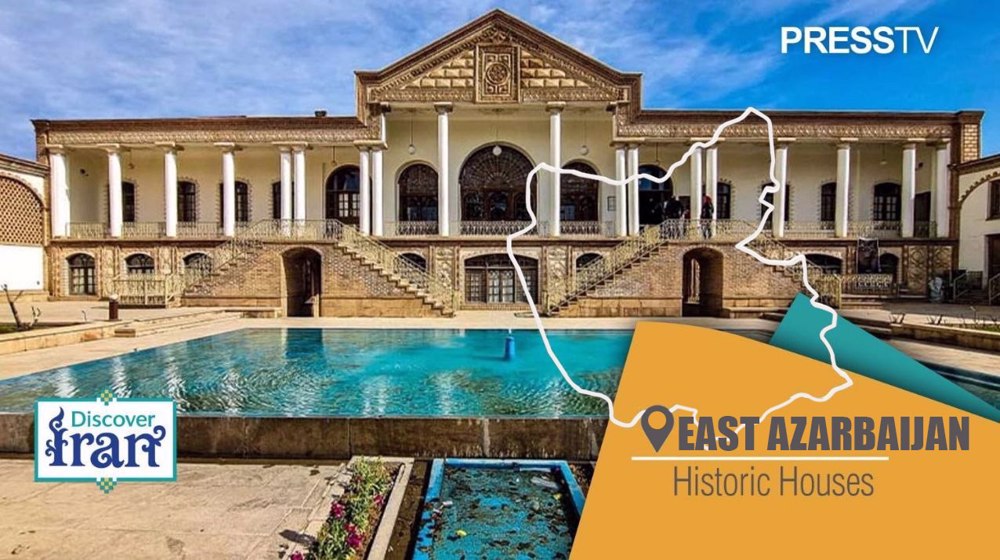
Discover Iran: Tabriz’s extraordinary architectural legacy through royal palaces, merchant mansions
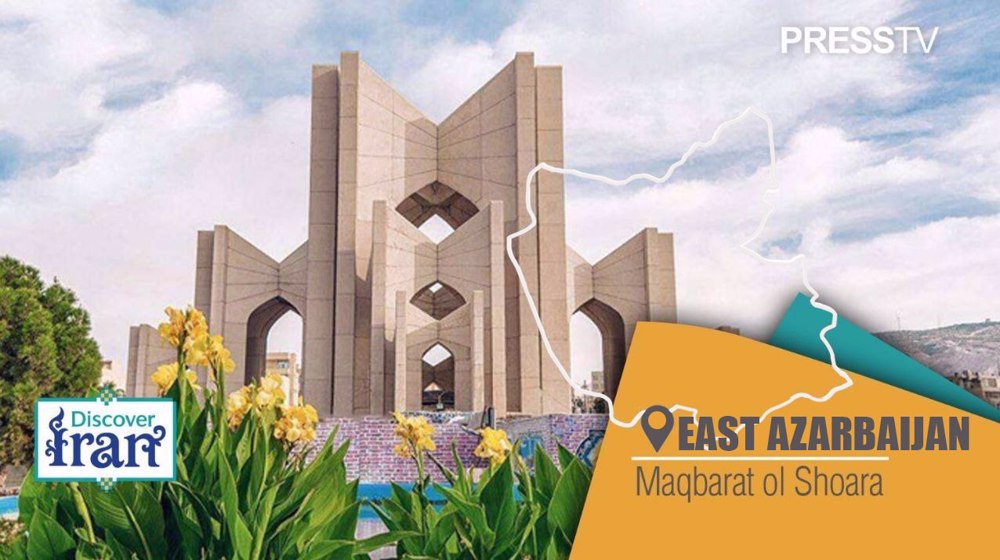
Discover Iran: Tabriz’s ‘Mausoleum of Poets,’ where centuries of Persian literary history live on



Ansarullah: Riyadh’s pleas to foreign powers display its haplessness against Yemen
Iran’s Tabas UNESCO Global Geopark wins top two prizes in international competition
Leader: Days of foreign domination that enemies seek are gone forever
Press TV's West Bank reporter Naqaa Hamed released from Israeli jail after two weeks
1,500 Israeli settlers stage police-enabled incursion into al-Aqsa Mosque compound
VIDEO | Netherlands takes stand for international law by banning Israeli settlement products
Saudi Arabia serving US, Israeli interests; ongoing aggression won’t go unanswered: Yemeni spox
VIDEO | Press TV's news headlines


 PressTV NEWSLETTER
now
PressTV NEWSLETTER
now
 This makes it easy to access the Press TV website
