Iran says Russia partnership has entered new phase with 3-year cooperation roadmap
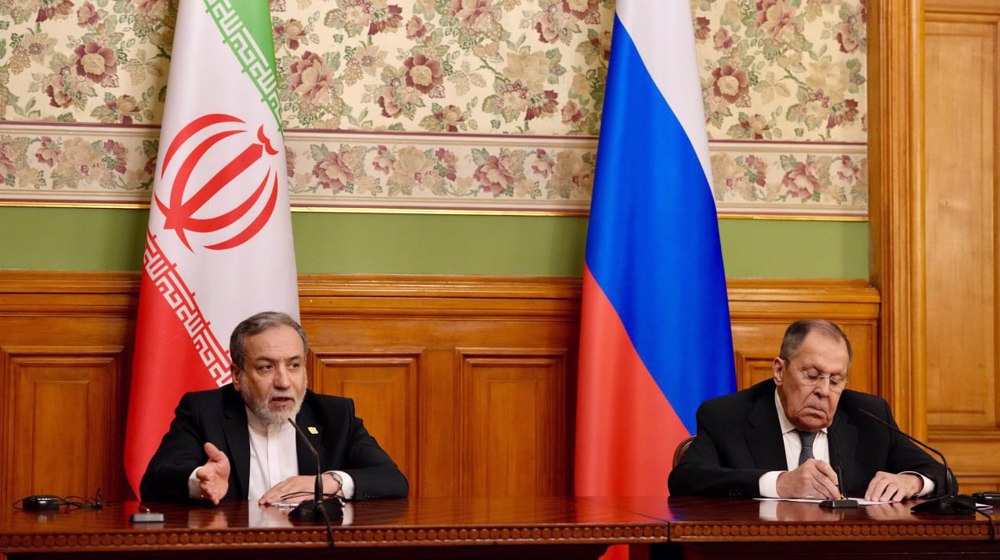
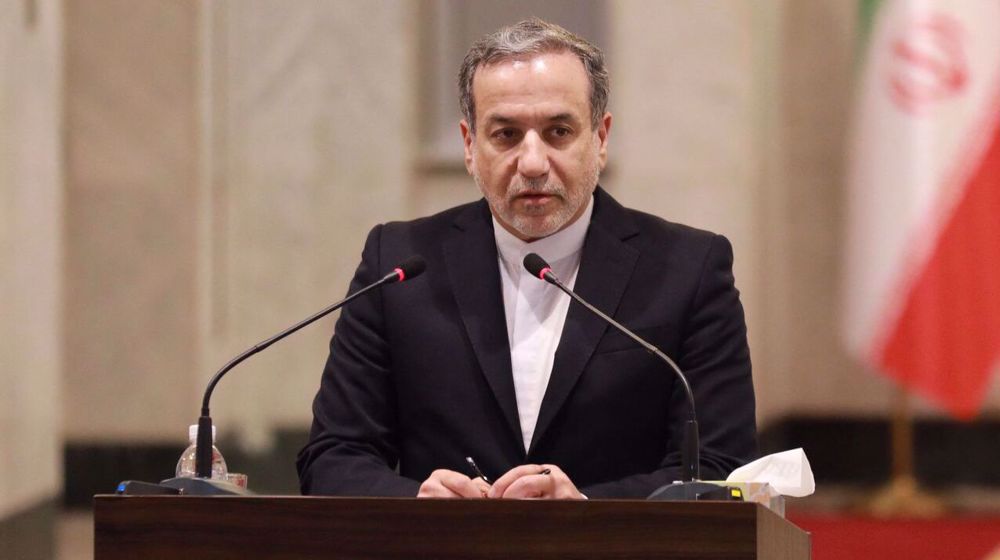
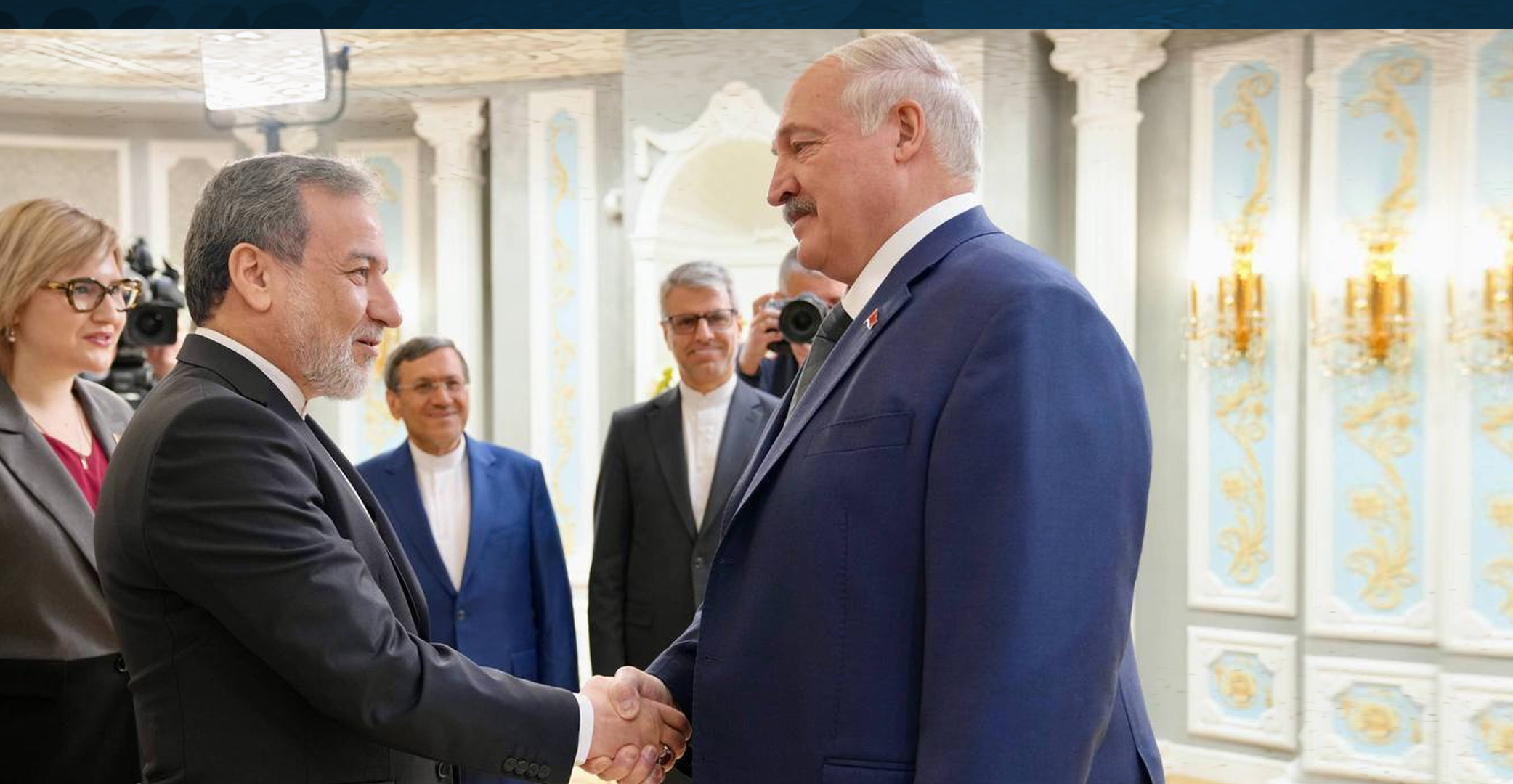
Foreign Minister Abbas Araghchi says the strategic partnership between Iran and Russia has entered “a new, accelerated phase” following the signing of a three-year cooperation roadmap with his Russian counterpart, Sergei Lavrov.
Araghchi, speaking at a joint press conference in Moscow on Wednesday, confirmed that the newly signed document establishes the agenda for the two foreign ministries from 2026 to 2028, acting as a “roadmap for future three-year cooperation.”
“Today, very close, precise, and detailed negotiations were held in all areas, including bilateral, regional, and international issues,” he said.
The Iranian minister said the bilateral relations have witnessed remarkable expansion, particularly in the current year, gaining new momentum with the implementation of the comprehensive strategic partnership treaty between the two nations.
Araghchi underscored the high level of political ties, noting that over the past year and a half, during the current government term, the presidents of Iran and Russia have met five times. The most recent meeting was held on December 12 in Ashgabat, Turkmenistan, demonstrating the sustained high-level engagement, he said.
The Iranian minister said the relations are “significantly expanding” in the economic sector.
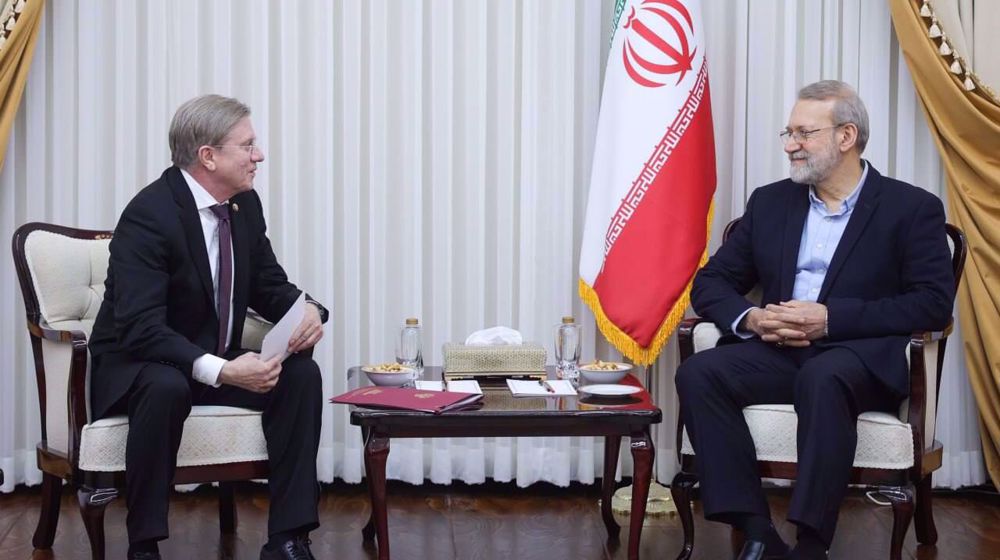
He also noted substantial progress in key sectors such as energy, transport, and transit, specifically highlighting the strategic North-South Corridor project and the critical Rasht–Astara railway segment.
Bilateral trade is on an upward trajectory, with new avenues for growth actively being pursued, Araghchi said.
The joint economic commission, featuring 17 specialized working groups, is scheduled to convene in February, he added.
‘Enrichment Iran’s undeniable right’
Araghchi also addressed Iran’s nuclear position, emphasizing the nation’s legal rights under the Non-Proliferation Treaty (NPT).
“Iran, as a member committed to the NPT, adheres to all its commitments, but will not forgo its legal rights under the same treaty,” he said.
He said the peaceful use of nuclear energy, including enrichment, is Iran’s “undeniable right.”
Araghchi condemned the 12-day aggression by the US and Israel in June and thanked Russia for standing with Iran and condemning the illegal strikes.
“The attacks by the United States and the Zionist regime on Iran’s nuclear facilities, although damaging some buildings and equipment, have managed to neither destroy the country’s indigenous technology nor weaken the will of Iran.”
Araghchi commented on the prospects for dialogue with Western countries, stating that the opposing side has “damaged diplomacy and the principle of negotiation through its actions.”
“If they reform their approach and show genuine readiness for an equal, respectful, and mutually beneficial dialogue, Iran will reconsider the issue of negotiation,” he said.
However, he warned, “It is clear that goals not achieved through pressure and military action will also not be imposed at the negotiation table.”
Alignment against sanctions
On the international front, Araghchi confirmed a “clear convergence of views to confront the system of domination, bullying, and double standards of Western countries, especially the United States.”
Iran and Russia share a common outlook in countering illegal sanctions and unilateral actions, leading to close cooperation within international and regional bodies like BRICS, the Shanghai Cooperation Organization (SCO), and the Eurasian Economic Union, Araghchi said.
In a meeting with his Russian counterpart, Iran’s FM described Tehran-Moscow relations as comprehensive and multifaceted.
— Press TV 🔻 (@PressTV) December 17, 2025
Follow Press TV on Telegram: https://t.co/LWoNSpkc2J pic.twitter.com/J6DLn8XmsZ
The Iranian minister underscored bilateral cooperation to counter unlawful US sanctions through economic collaboration, sharing experiences, and operational coordination.
He specifically mentioned the establishment of the Friends of the UN Charter group, comprising Iran, Russia, China, and other nations, saying Iran supports any international action to oppose the “system of domination, bullying, and thuggery of America.”
Caucasus security
Regarding regional security, Araghchi affirmed a joint position with Russia on preventing foreign intervention in the Caucasus.
He said security and stability in the Caucasus and Central Asia must be provided by the countries of those regions.
Iran’s proposed “3+3” mechanism for the Caucasus is actively being pursued, with the next meeting of foreign ministers being planned, Araghchi noted.
Russia, Iran oppose unilateral sanctions
Lavrov said at the press conference that Russia is in full solidarity with Iran on the issue of opposing unilateral enforcement measures.
“Speaking about the use of unilateral enforcement measures, we are in full solidarity in this regard with Iran and the whole number of other countries. We stand for setting up a group interested in countering such unlawfulness, and I believe this process will acquire more and more supporters.”
“We agreed to consolidate members of the international community that share such approaches, and certainly, we will continue the specific efforts to neutralize the adverse impact of illegal sanctions on economies of both our countries.”
‘Russia ready for nuclear mediation’
On the talks surrounding Iran’s nuclear program, Lavrov said Moscow and Tehran want to normalize the situation through diplomacy, aiming to exclude destructive scenarios.
“Both we and Iran want to stabilize the situation, normalize it, and categorically exclude any recurrence of forceful methods. Exclusively political and diplomatic solutions are what is needed in this situation.”
He said Russia is not imposing its mediation efforts.
“We are not imposing these mediation services, but if the Islamic Republic of Iran, primarily as the main participant in this process, decides that such services may be in demand, and if other Tehran counterparts do not object, of course, we are ready for this.”
‘Presidents keep an eye on NSTC’
On bilateral ties, Lavrov said the construction of the Rasht-Astara railway, which is part of the North-South International Transport Corridor, is under the priority control of the presidents of Russia and Iran.
“We reviewed in detail the progress in implementing the construction project of the Rasht-Astara railway section at the expense of the Russian state credit.” “Construction of this line is under priority control of our presidents.”
Commissioning of the mentioned railway section “is a critical condition for the full-scale launch of the Western branch of the North-South International Transport Corridor,” which is among the flagship international projects, Lavrov said.
‘EU tries to undermine US efforts’
On the Ukraine conflict, Lavrov said the European Union attempts to undermine efforts of US President Donald Trump to settle the European conflict by encroaching on Russian sovereign assets.
“We condemned the practice of using unilateral enforcement measures that undermine norms of international law.”
“It is particularly clearly manifested amid the Ukrainian crisis when Europe attempts to undermine constructive aspirations of the administration of Donald Trump, including crossing over all the conceivable norms and principles effective before in international economic relations, in international financial relations, encroaching upon property that has been just recently announced by the West as immune.”
The EU is doing “many other things that undermine the very principles promoted by Europeans, particularly within the framework of globalization,” the Russian minister said.
“We see fragmentation now in lieu of globalization.”
SNSC secretary warns UAE over secretly hosting ‘Butcher of Gaza’ Netanyahu
US, allies ‘playing mind games amid aggression on Iran: Basij chief
Pezeshkian: Iran’s strong maritime presence in Hormuz kept vital national lifelines moving


Seven killed in bus attack in central Syria as blast hits gas pipeline near Damascus
Genuine sovereignty lies in independent decision-making, says Iraqi MP after US pullout
Israel’s next cabinet faces mounting debt, war costs: Report
VIDEO | News Review: UK economic challenges
2026 Asian Games: Abdevali beats Olympic champion to win Greco-Roman gold for Iran
VIDEO | Press TV's news headlines
US exit from Iraq heralds ‘beginning of expulsion’ from West Asia: IRGC
UNICEF cautions against generational crisis in Lebanon amid Israeli attacks


 PressTV NEWSLETTER
now
PressTV NEWSLETTER
now
 This makes it easy to access the Press TV website
