Rand Paul raises $7 million for White House bid

Republican US presidential candidate Rand Paul has raised $7 million in the first quarter of his 2016 White House bid.
According to Paul’s campaign, mostly small-dollar donations were made to the Kentucky senator, a Tea Party favorite who inherited a national grassroots fundraising network from his father, former US Representative Ron Paul of Texas.
Paul received money from 108,205 donors and 96 percent of all donations were in amounts of $100 or less, his campaign organizers said.
Paul is considered a strong candidate among over a dozen of Republicans fighting to get the party nomination to become a candidate for the White House, but his fundraising effort lags behind rivals like former Florida Governor Jeb Bush.

Bush raised $11.4 million in just over two weeks in June. And a group supporting Bush, Right to Rise USA, says it has amassed up to $103 million in the early months of his campaign.
The 2016 US presidential candidates are actively expressing their unconditional support for Israel in order to attract more campaign funding from the influential Zionist lobby in the US, according to journalist and political commentator Brandon Martinez in Toronto.
Martinez made the comments after Republican presidential candidate Senator Ted Cruz called on the United States to withdraw from the United Nations Human Rights Council (UNHRC) after the body voted to condemn Israel’s assault on Gaza last summer.
“From the vantage point of Ted Cruz and other senators, they have to be outspoken in their condemnation of the UN to show that they are clearly on Israeli side,” Martinez told Press TV on July 4.

Cruz and his some Republican rivals have been making pro-Israel statements relentlessly to get funding for their presidential campaigns, which mostly comes from groups and business tycoons linked to the Israel lobby.
Cruz has raised $14.2 million, while groups aligned with him have amassed $37 million.
Political action committees (PACs) supporting Marco Rubio, another outspoken Israeli supporter, have raised over $31 million, according to the Washington Post.
In the 2010 Citizens United case ruling, the US Supreme Court allowed unlimited independent spending by corporations in elections.
According to a recent study published by the New York Times, wealthy individuals and corporations have begun to replace powerless people as direct beneficiaries of the US political system and the Constitution.
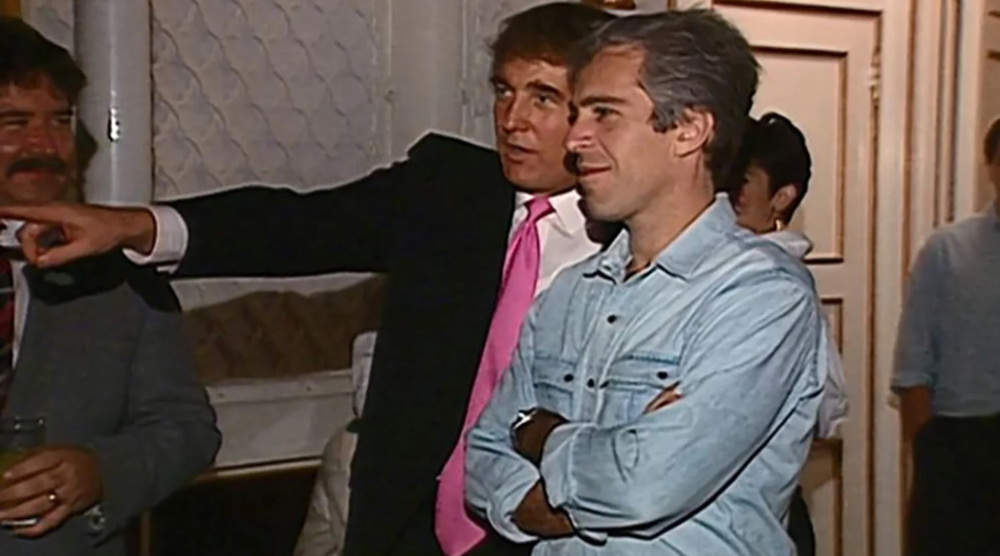
Trump ‘disappeared’ 12-year-old girl, threatened to disappear another: Report
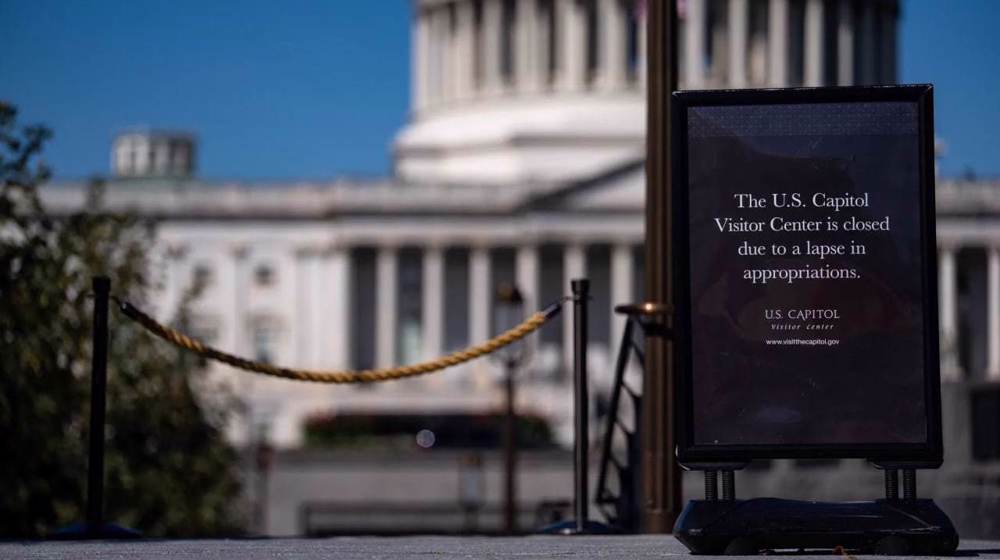
US government partially shuts down as ICE killings spark funding standoff
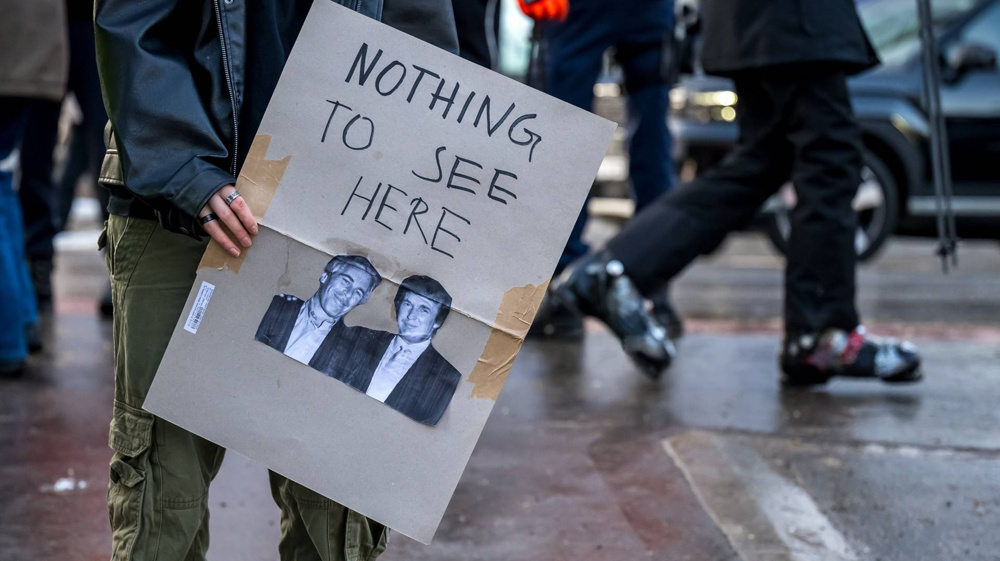
Trump compromised by Israel, Epstein files reveal



VIDEO | Press TV's news headlines
French protesters rip down EU flag as ‘Frexit’ rally turns into open defiance of Brussels
Israeli attacks kill two more Palestinians in Gaza shortly after deadly widespread strikes
VIDEO | Displaced families in al-Dabba camp struggle amid severe shortages
VIDEO | Gaza rejects Israeli claims of rising births amid collapse of healthcare system
VIDEO | Gaza’s markets reopen amid ongoing challenges
VIDEO | Gazans slam US military threats against Iran
UNRWA: Israel carrying out 'silent war' in occupied West Bank


 PressTV NEWSLETTER
now
PressTV NEWSLETTER
now

 This makes it easy to access the Press TV website
