
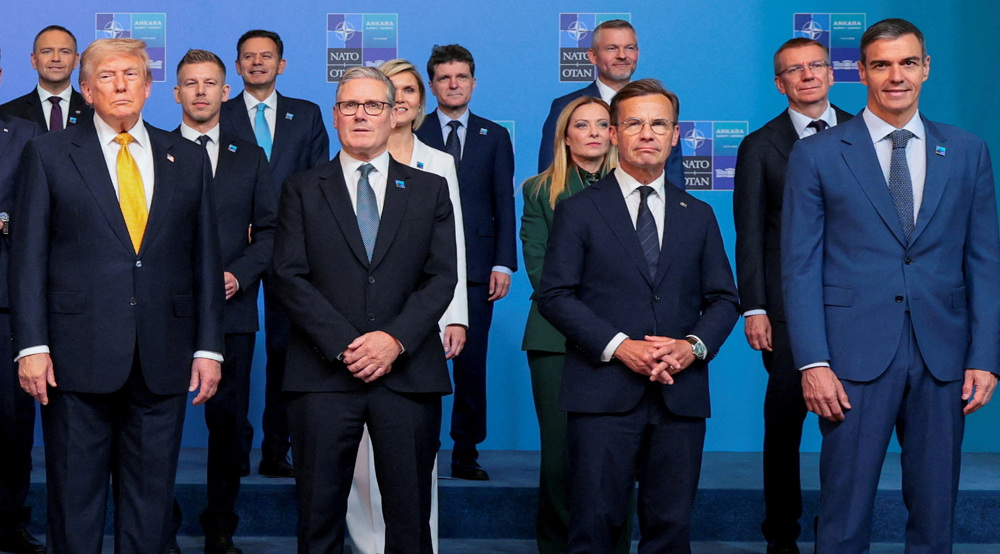
Iran's embassy in Turkey has dismissed allegations made in the NATO Ankara Summit Declaration regarding Iran's peaceful nuclear program and freedom of navigation in the Strait of Hormuz, describing them as "unfounded, politically motivated, and rejected."
In an official response issued on Friday, the embassy said, "The Islamic Republic of Iran firmly rejects the unfounded and politically motivated allegations contained in the NATO Ankara Summit Declaration regarding its peaceful nuclear programme and freedom of navigation in the Strait of Hormuz."
"Iran's nuclear programme is exclusively peaceful. As a responsible State Party to the Treaty on the Non-Proliferation of Nuclear Weapons, Iran has consistently maintained that nuclear weapons have no place in its defence doctrine," the statement added.
The NATO summit declaration, issued after the alliance's meeting in Ankara, had stated that "Allies reiterate that Iran must never have a nuclear weapon and call on Iran to fully respect freedom of navigation in the Strait of Hormuz."
‘Insecurity stems from extra-regional actors’
The Iranian embassy said Tehran has "consistently played a responsible role in safeguarding maritime security and freedom of navigation in the Persian Gulf and the Strait of Hormuz."
It added that "unlawful military interventions, provocative actions, and destabilizing policies of extra-regional actors—not Iran—constitute the primary source of insecurity in the region."
The statement also reminded NATO that "it was the United States and the Israeli terrorist regime—not Iran—that bombed the negotiating table and chose aggression over diplomacy."
"Having backed and facilitated the acts of aggression against the Iranian people, NATO cannot lecture Iran or prescribe policies for regional peace and security," the embassy said.
Iran's Foreign Ministry spokesman Esmaeil Baghaei condemns NATO Secretary General and all alliance member states, calling them complicit in the US-Israeli attacks on Iran.@IRIMFA_SPOX
— Highlights (@highlightsnews1) June 30, 2026
Follow: https://t.co/Kl2Pka6vJH pic.twitter.com/8E3Yndkp6Y
"Such contradictory and politically motivated positions neither advance peace nor enhance NATO's credibility; they merely expose the Alliance's double standards."
Despite the rejection, the embassy reaffirmed Iran's commitment to diplomacy, stating, "While resolutely defending its sovereignty, territorial integrity, and national security, Iran remains committed to diplomacy, constructive engagement, and the principles of the United Nations Charter."
"Lasting peace and security in the region can only be achieved through respect for sovereignty, non-interference in the internal affairs of States, and genuine regional cooperation, free from external coercion and military pressure."
The NATO summit in Ankara took place amid heightened tensions in the region following the 40-day US-Israeli war of aggression against Iran, which began on February 28 and martyred the Leader of the Islamic Revolution, Ayatollah Seyyed Ali Khamenei.
The funeral ceremonies for the late Leader, which concluded on Thursday, drew millions of mourners and delegations from over 100 countries.
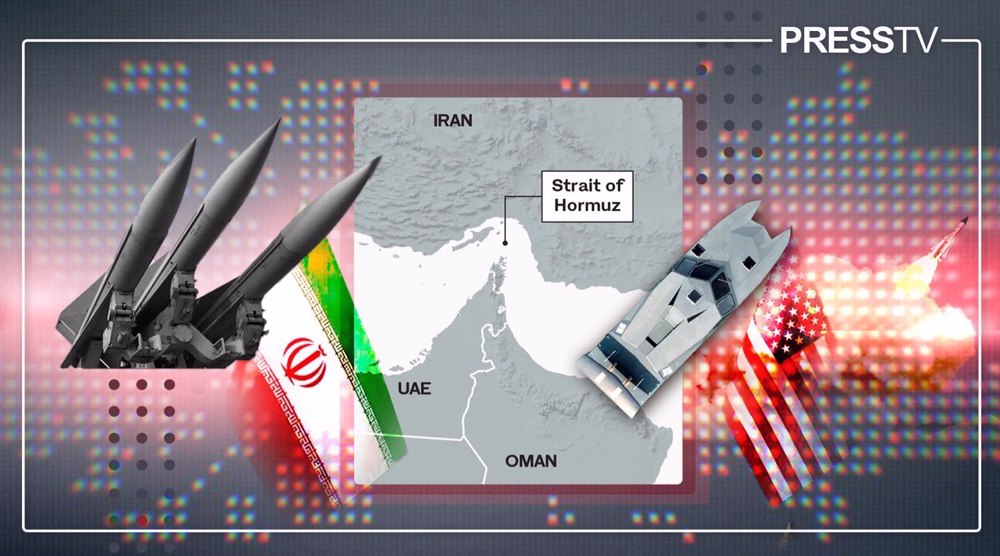
The Islamic Republic has previously stated that its control over the Strait of Hormuz is solely to maintain regional security and stability.
Iran's position on the strait is based on international law and its sovereign rights as a coastal state.
 This makes it easy to access the Press TV website