German chancellor hits record low popularity as public anger grows over failed policies
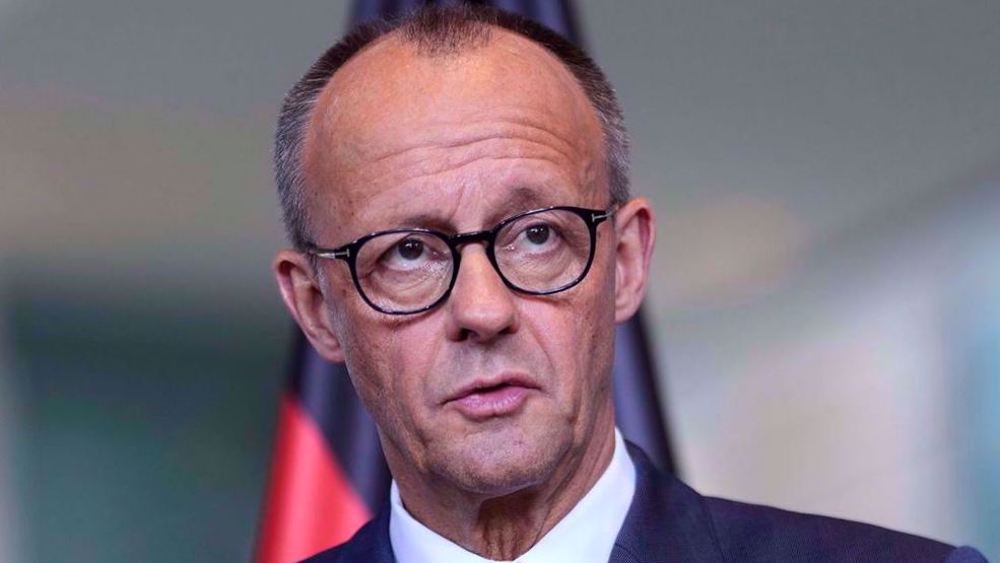
A new poll has revealed that German Chancellor Friedrich Merz’s popularity has plummeted to a historic low, making him the least popular chancellor in nearly three decades amid widespread dissatisfaction with his leadership and the ruling coalition’s policies.
According to a survey published on Thursday by German broadcaster ARD, a staggering 84% of Germans are dissatisfied with Chancellor Merz’s performance, including a shocking 51% of his own CDU supporters.
The ARD-Deutschland Trend poll showed his approval rating dropping another 3% in June to a dismal 13% – the lowest since Infratest Dimap began tracking chancellors for ARD in 1997.
The survey highlights deep public concern over Germany’s declining attractiveness for business (78%), the negative impacts of climate policies (66%), and the ongoing migrant influx under Merz’s government (51%).
If elections were held today, Merz’s Union alliance (CDU/CSU) would slump to just 22% of the vote, trailing the right-wing opposition party Alternative for Germany (AfD) by five points.
The AfD, which strongly advocates tougher immigration controls and opposes Berlin’s unconditional support for Ukraine and anti-Russia sanctions, has emerged as Germany’s most popular party with 27% support.
Its co-leader, Alice Weidel, enjoys backing from around 25% of the public.
On Thursday, the ruling CDU/CSU-SPD coalition announced a package of so-called “sweeping reforms” aimed at reviving the struggling economy and attempting to stem the rise of the AfD.
The measures include minor tax cuts for low- and middle-income families, pension system tweaks, and stricter sick leave rules.
Merz tried to project optimism, claiming, “There is also no reason for pessimism… The best years of our country are not behind us, but there are very good years ahead of us.”
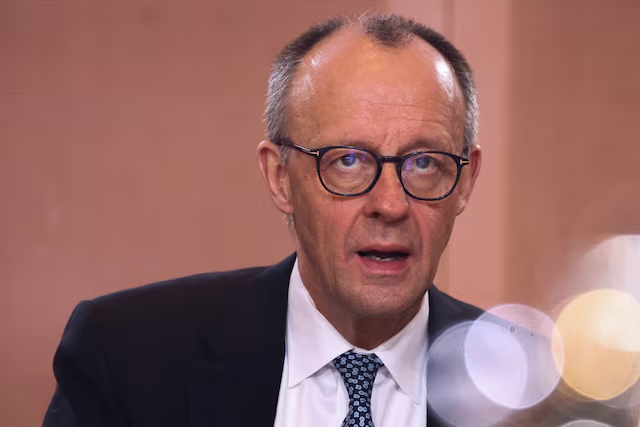
However, AfD co-leader Alice Weidel sharply criticized the proposals as “even more left-wing redistribution and minimal compromises that don’t deserve to be called ‘reforms.’”
She wrote on X: “The fact that this is being sold as a ‘breakthrough’ shows only one thing: this government’s complete inability to reform.”
Weidel has repeatedly stressed that the only real path to rescuing Germany’s economy — which contracted in both 2023 and 2024 — is to restore pragmatic economic ties with Russia.
“Cheap energy from Russia was the secret of the success of ‘Made in Germany’. We need it back,” she insisted earlier this week.
An earlier Morning Consult poll further exposed the crisis of confidence in Western leaders, showing Merz with the lowest approval rating among 24 elected leaders in April, with only 19% of Germans satisfied with his performance.
As Germany grapples with economic stagnation, energy crises, and social tensions, Merz’s plunging popularity underscores growing public rejection of the establishment’s failed policies.
German chancellor says era of unconditional US friendship is ‘probably over’

Iran summons German ambassador over Berlin’s hostile positions, interventionist activities
Germany cannot underwrite the dirty work: Iran slams Chancellor Merz hypocrisy



Leader: Days of foreign domination that enemies seek are gone forever
Sana’a marks 2nd anniversary of Nasrallah martyrdom
Ansarullah: Riyadh’s pleas to foreign powers display its haplessness against Yemen
Iran’s Tabas UNESCO Global Geopark wins top two prizes in international competition
Press TV's West Bank reporter Naqaa Hamed released from Israeli jail after two weeks
1,500 Israeli settlers stage police-enabled incursion into al-Aqsa Mosque compound
VIDEO | Netherlands takes stand for international law by banning Israeli settlement products
Saudi Arabia serving US, Israeli interests; ongoing aggression won’t go unanswered: Yemeni spox


 PressTV NEWSLETTER
now
PressTV NEWSLETTER
now
 This makes it easy to access the Press TV website
