

The United States has drawn down its munitions stockpiles so deeply during the war with Iran that it could be left vulnerable to other conflicts, Democratic Senator Mark Kelly said on Sunday, describing the situation as “shocking.”
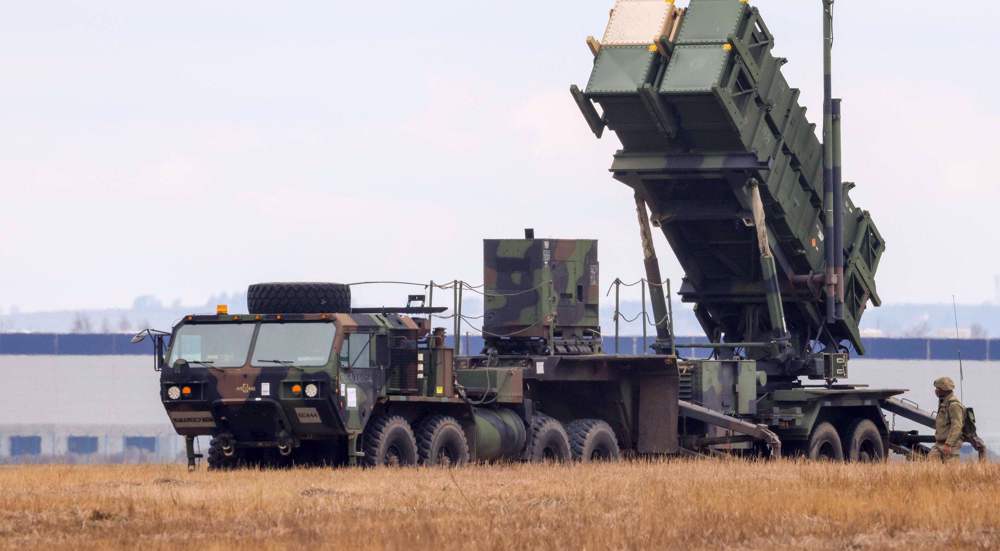
In an interview on CBS’s Face the Nation, Kelly said Pentagon briefings on specific munitions, including Tomahawk cruise missiles, ATACMS, SM-3 interceptors, THAAD and Patriot rounds, revealed how far the US has gone into its magazines.
“I think it’s fair to say it’s shocking how deep we have gone into these magazines,” Kelly said.
“This president got our country into this without a strategic goal, without a plan, without a timeline, and because of that, we’ve expended a lot of munitions. The American people are less safe, whether it’s a conflict in the western Pacific with China or somewhere else in the world.”
CBS has reported the war has cost at least $50 billion.
Kelly warned that replenishing some munitions would take years, and that US readiness would suffer if a future conflict lasted months rather than days.
Asked about defending Taiwan against China, Kelly said the length of any such conflict would be critical.
“If it goes on for months or years, of course we’re going to be in a worse posture than we otherwise would be if this war in Iran didn’t happen.”
Criticism of Trump and defense spending
Kelly rejected the idea that war with Iran was “inevitable,” blaming Donald Trump’s withdrawal from the JCPOA nuclear deal for the current crisis.
He also criticized the administration’s $1.5 trillion defense spending request, calling it “outrageous” and singling out the “Golden Dome” missile defense project as technologically dubious.
“The physics on that stuff is really, really hard. I’m very confident we’re going to spend a lot of money and get a system that doesn’t work,” Kelly said.
The US and Israel launched their war of aggression against Iran on February 28, assassinating Iran’s Leader and striking nuclear facilities, schools and hospitals.
Iran responded with 100 waves of retaliatory strikes under Operation True Promise 4, and a fragile Pakistan‑brokered ceasefire has been in place since early April, though a US naval blockade of Iranian ports remains in effect.
 This makes it easy to access the Press TV website