FM Araghchi: Negotiations cannot work under threats
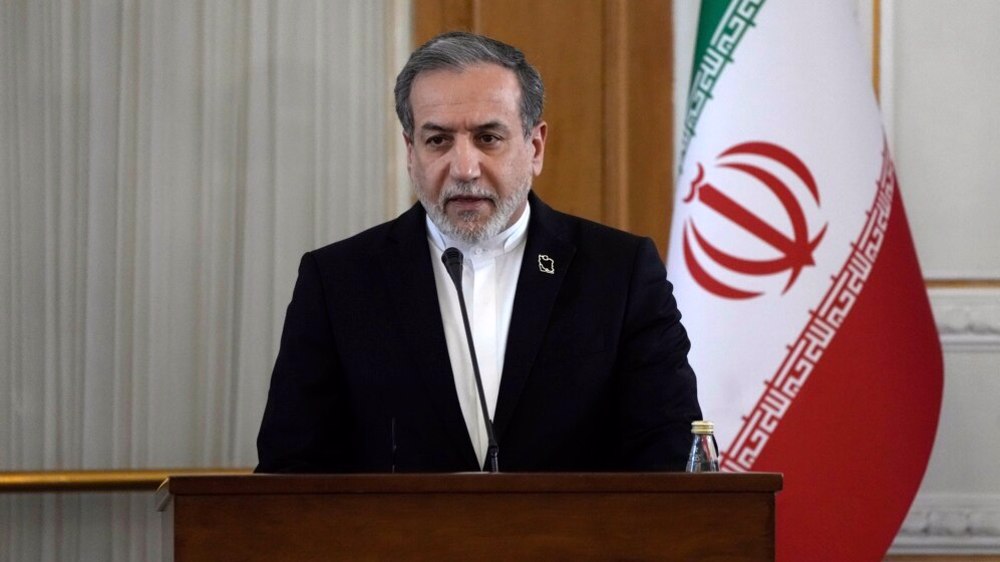
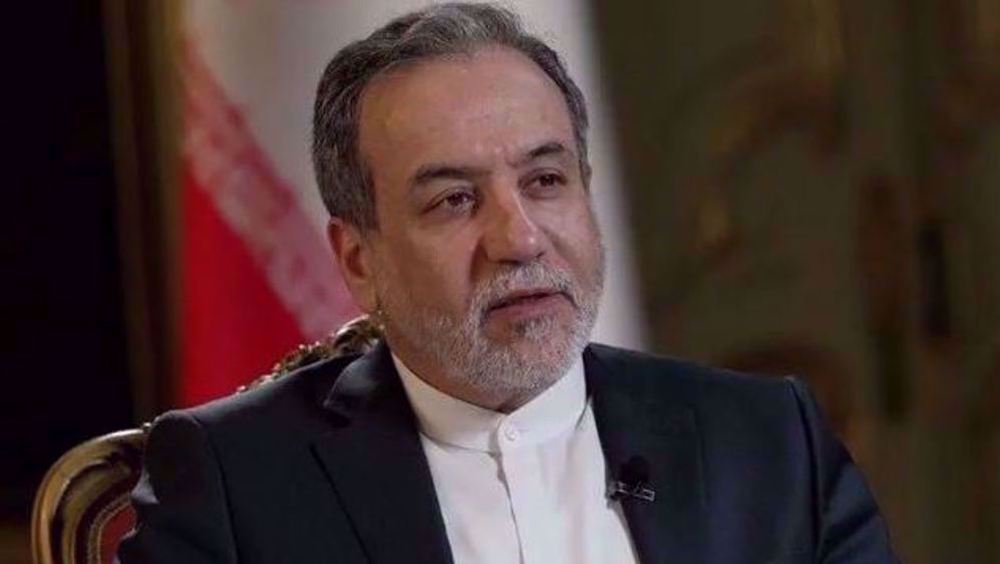
Iran’s Foreign Minister Abbas Araghchi has warned that imposing diplomacy through military threats cannot be effective or productive, saying that no decision has yet been made regarding negotiations with the United States.
Addressing reporters on the sidelines of a cabinet meeting in Tehran on Wednesday, Araghchi said there has been no direct contact in recent days between him and US regional envoy Steve Witkoff, and that Iran has not submitted any request for negotiations.
He noted that intermediaries and various countries remain in contact with Iran, adding that Tehran is engaging with those actors who are attempting to play a constructive role in good faith. However, he stressed that no decision has yet been made regarding negotiations.
Addressing questions about simultaneous calls for talks and US military posturing around Iran, Araghchi said that threats and diplomacy have often occurred separately in international relations.
He emphasized, however, that Iran’s position is clear: “Negotiations cannot work under threats, and talks must take place in conditions where threats and excessive demands are set aside.”
He added that “negotiations must be conducted from an equal position, based on mutual respect and reciprocal interests.”
Araghchi also rejected the use of force as a means to achieve political objectives, saying such an approach cannot be described as diplomacy.
In response to a question about regional engagement to prevent conflict, including statements by some Arab countries indicating they would not allow their airspace to be used for attacks on Iran, Araghchi said Iran maintains continuous and regular contact with regional states.
The top diplomat said there is a shared understanding across the region that military threats would lead to widespread instability, particularly given the nature of the US presence in West Asia.
The remarks follow the arrival of a US aircraft carrier in the region and a series of escalatory threats from Washington, where some officials have accused Iran of a violent crackdown on peaceful protests.
According to Araghchi, regional countries broadly oppose military escalation and believe it would result in serious challenges for the region as a whole.
Asked about the possibility of a meeting with Rafael Grossi, director general of the International Atomic Energy Agency, Araghchi said there are currently no plans for such a meeting.
Iran Red Crescent urges ICRC to clarify fate of Iranian pilots held in Qatar
FM Araghchi rejects Jordan’s account of Iran’s response to US aggression
Trump doesn't rule out CIA-led armed riots in Iran as US war fails to deliver


Trump lifts sanctions on top Al Qaeda terrorists as America prepares for 9/11 anniversary
US diesel prices hit record high as war on Iran backfires
VIDEO | Iranian tech firms showcase innovation, talent, investment, smart solutions at ELECOMP 2026
Iran: US-E3 ‘desperate’ resolution bid shows failure of ‘snapback illusion’
Iranian border guard martyred in clash with militants in western Iran
Pentagon disables ad trackers on phones, computers amid fears of Iran retaliation: Reports
VIDEO | Catastrophic humanitarian situation exacerbating as Gaza heads toward winter season
Qalibaf calls for homegrown regional security, says Iran ‘stands ready’


 PressTV NEWSLETTER
now
PressTV NEWSLETTER
now
 This makes it easy to access the Press TV website
