Iran’s intelligence database on Israel enabled precise strikes in June war: IRGC
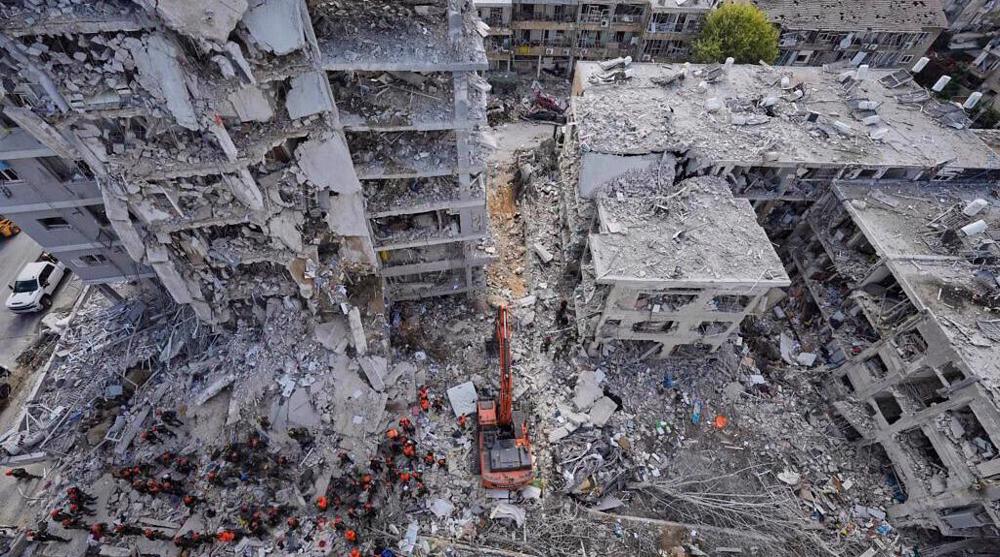
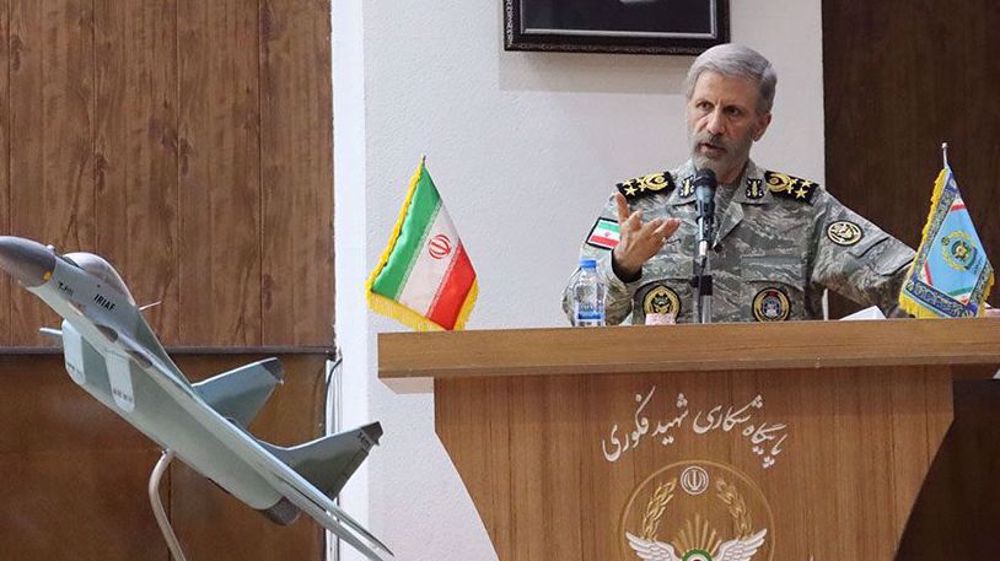
The Islamic Revolution Guards Corps (IRGC) says Iran had a “complete intelligence database” on Israeli targets during the June aggression, which enabled the Armed Forces to carry out precise retaliatory strikes.
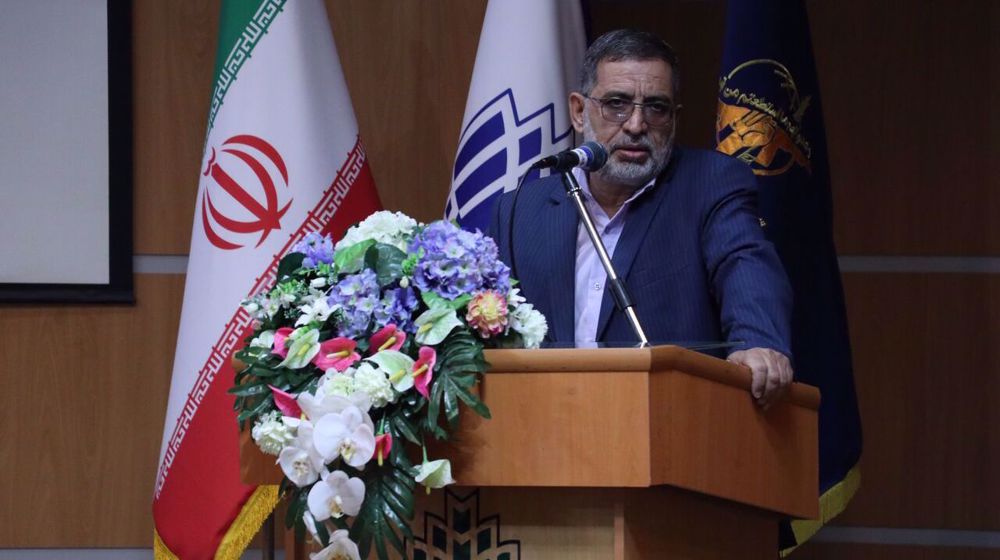
Brigadier General Ali Mohammad Naeini, a spokesman for the IRGC, said on Wednesday that whenever the Zionist regime struck a target in the course of the illegal assault of June, Iran answered by hitting a building with the same purpose, noting that not a single missile went astray thanks to Iran’s far‑reaching intelligence.
“During the 12‑day war, Iran’s intelligence database on the Zionist regime was comprehensive, and this information dominance enabled the precise targeting by Iranian missiles,” he added.
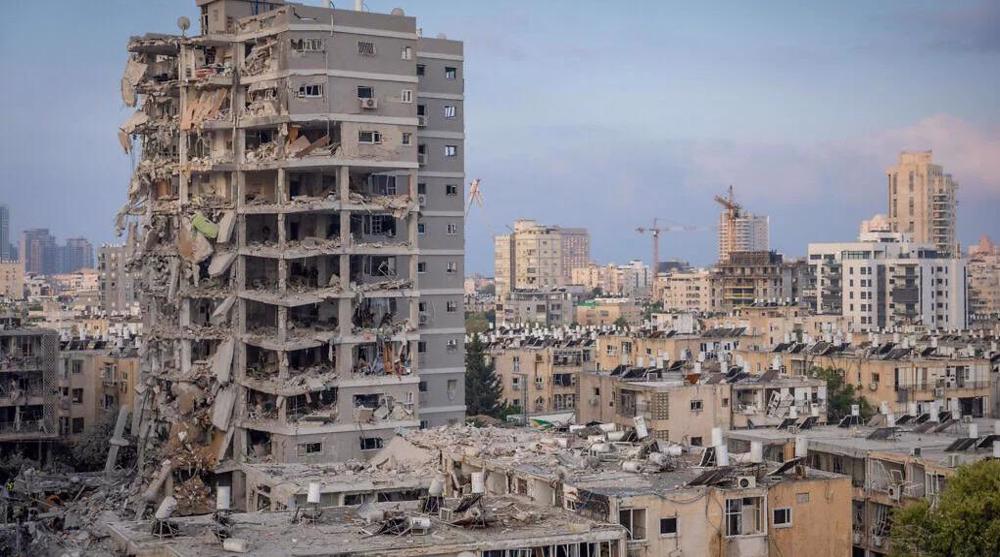
Naeini also said that Iran destroyed 47 Israeli strategic centers, several science and technology parks, and 2 power plants based on the information obtained from inside the Israeli-occupied lands.
“Around 80 percent of Iran’s operations in the 12‑day war relied on intelligence gathered in previous years; otherwise, such successes would not have been achieved.”
Between June 13 and 24, Israel waged a terrorist act of aggression against Iran, killing at least 1,064 people and targeting the country’s civilian infrastructure.
On June 22, the United States also joined Israel and bombed three Iranian nuclear sites. Two days later, the Islamic Republic managed to impose a halt to the criminal aggression through its successful retaliatory attacks.
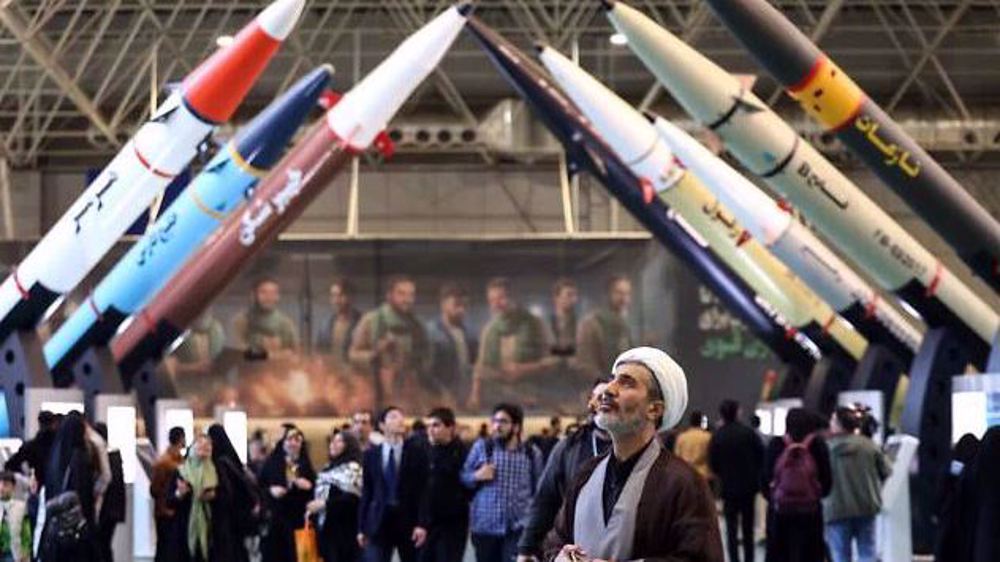
The IRGC spokesman said that Israeli media warned of Iran’s intelligence penetration and that the regime opened 60 related cases throughout the war.
Citing a post‑war survey in the occupied territories, he said only 13 percent of Israeli settlers felt victorious, whereas in Iran the figure was about 80 percent.
“If the US had not come to the aid of the Zionist regime, it would no longer exist today. Just as in the eight years of the [1980s’] Sacred Defense, America once again supported our enemy,” he emphasized.
Meanwhile, Naeini stressed that the Israeli-US aggression significantly fostered unity within Iranian society and markedly increased the popularity of the Leader of the Islamic Revolution, Ayatollah Seyyed Ali Khamenei.
The enemy sought to disintegrate Iran during the 12-day assault, which was not merely a military conflict, but a civilizational and identity struggle, he said. The war led to the victory of the discourse of resistance and strengthened the elements of Iran’s authority.
Iran retains initiative in Strait of Hormuz despite US claims: Armed Forces
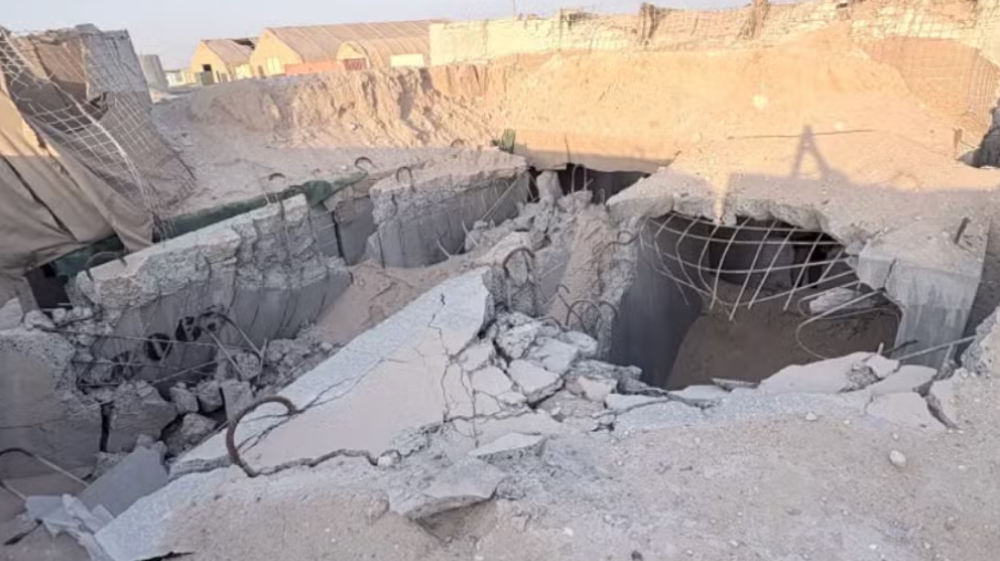
New images reveal severe destruction at US base in Kuwait after Iranian strikes
‘Live with it’: Era of US F-35s being ‘hunted down’ has begun, Qalibaf says



Poll: Over half of US Jews say Netanyahu fueling American anti-Semitism
Trump and Netanyahu will face same fate as Saddam Hussein: Top Iranian cmdr.
VIDEO | Protesters flood Buenos Aires in rally against Milei's economic policies
Iran claim basketball bronze at 2026 Asian Games, win delegation’s first medal
Yemen warns Saudi escalation will draw stronger response
Iraqi MP: Resistance weapons aimed at enemies, terrorist groups
South Korea rejects Hormuz deployment plan
VIDEO | News Review: US accused of understating troop deaths in war on Iran


 PressTV NEWSLETTER
now
PressTV NEWSLETTER
now
 This makes it easy to access the Press TV website
