At 65, OPEC shares resilience and resolve with Iran
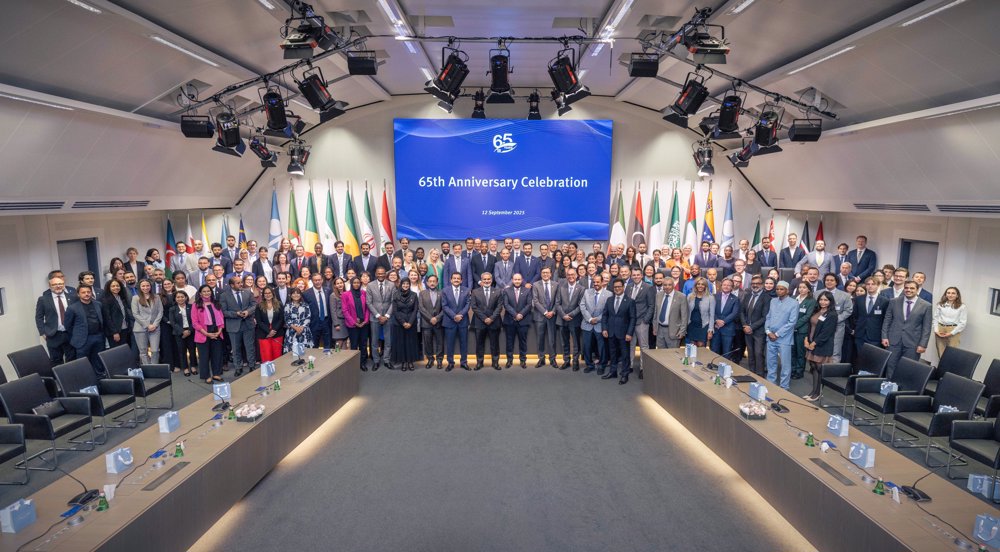
As the Organization of the Petroleum Exporting Countries (OPEC) marks its 65th anniversary, it faces a complex global energy landscape far removed from the era of its founding in 1960.
Yet despite seismic shifts, including the rise of shale oil, geopolitical tensions, and a global pivot toward renewable, OPEC remains an indispensable pillar in the world’s energy market, underpinned by its dominant oil reserves and the strategic roles of key members such as Iran.
OPEC was born out of a collective desire by five founding nations—Iran, Iraq, Kuwait, Saudi Arabia, and Venezuela—to assert control over their oil resources and push back against the dominance of multinational oil companies coming out of colonial rule.
Its inception at the Baghdad conference in 1960 was a historic turning point that reshaped the global energy order, where these countries managed to unite around a shared objective of safeguarding their sovereign oil interests and stabilizing the global oil market.
Today, OPEC controls nearly 80% of the world’s proven oil reserves, with approximately two-thirds located in West Asia and North Africa.
This unparalleled resource base ensures that OPEC remains a key influencer in the global supply-demand dynamic, even as its share of global oil production — currently about 40% — is smaller than in decades past.
The difference now is that OPEC must manage a far more fragmented, multipolar market with new entrants and shifting demand patterns.
Iran, as one of OPEC’s founding members and a country rich in oil reserves, continues to play a vital role within the organization and the broader energy market.
Despite enduring decades of sanctions and geopolitical pressures that have constrained its production capacity and export potential, Iran remains a cornerstone of OPEC’s collective strength.
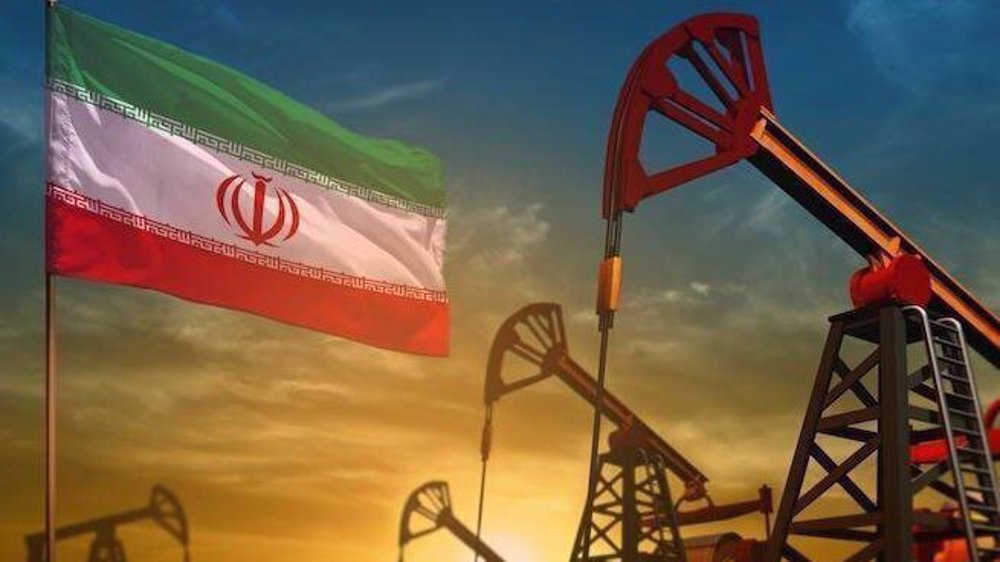
Its resilience amid sanctions exemplifies the broader durability of OPEC members who have often faced external political and economic challenges.
Iran’s oil sector, historically one of the largest in OPEC, underscores the importance of unity and cooperation among member states.
Even during periods of political tension, notably between Iran and Saudi Arabia, informal dialogues among top officials have preserved a pragmatic understanding that geopolitical disputes should not fracture OPEC’s cohesion or its ability to influence global markets.
OPEC’s influence, however, is not without challenges. The rise of shale oil production, particularly in the United States, has disrupted traditional supply patterns.
The shale revolution turned the US into the world’s largest oil producer, significantly curtailing OPEC’s ability to control prices through supply adjustments alone. Unlike OPEC members, US shale producers operate outside formal production quotas.
Moreover, growing global efforts to combat climate change and transition to renewable energy pose long-term challenges to oil demand.
The expansion of solar, wind, and other clean energy technologies, combined with increased energy efficiency and changing consumption habits, signals a gradual decline in oil’s share of the global energy mix over the coming decades.
Nonetheless, these challenges have driven OPEC’s evolution instead of causing its decline. The formation of the OPEC+ alliance, which includes non-OPEC producers like Russia, reflects a strategic pivot to broaden influence and coordinate production policies beyond traditional boundaries.
This coalition accounts for a significant majority of global oil supply, enabling more effective management of market volatility and price stabilization.
While the energy transition is inevitable, the timeline remains uncertain and oil will continue to be a critical energy source well into the mid-21st century.
OPEC’s stewardship over a large portion of the world’s hydrocarbon reserves means that its decisions will continue to reverberate across the global economy.
Oil remains deeply embedded in transportation, industry, and petrochemicals, sectors not easily or rapidly substituted.
Furthermore, the organization’s influence extends beyond economics into geopolitical stability. Many OPEC members, including Iran, depend heavily on oil revenues to fund development and social programs.
A stable oil market contributes to regional economic security and global energy affordability, underscoring the importance of coordinated supply management.
Iran’s future within OPEC is inextricably linked to broader geopolitical and economic developments. If sanctions ease and Iran can fully capitalize on its production capacity, it will not only strengthen its own economy but also reinforce OPEC’s collective output and market influence.
Iran’s participation in the OPEC+ framework highlights its willingness to engage constructively in managing global supply, which benefits all members.
Moreover, Iran’s rich reserves and strategic geographic position ensure it will remain a vital energy player. Its ability to navigate political complexities while maintaining cooperation with other members will be key to sustaining OPEC’s relevance.
As OPEC celebrates six and a half decades, it stands not as a relic of the past but as a dynamic institution adapting to a rapidly changing world.
Despite diminished unilateral power compared to its heyday, OPEC’s ability to coordinate among members and with external partners remains critical to global energy market stability.
Iran’s role within OPEC exemplifies the organization’s resilience, resource wealth, and the capacity for pragmatic cooperation amid diversity and political challenges. Together, they ensure OPEC remains a fundamental force in shaping the future of oil markets.
The ongoing energy transition may reshape the contours of global energy demand, but for now and the foreseeable future, oil and OPEC’s stewardship of it remains central to the global economic engine.
With continued adaptation, strategic partnerships, and internal unity, OPEC and Iran are poised to sustain their influence and navigate the evolving landscape for decades to come.
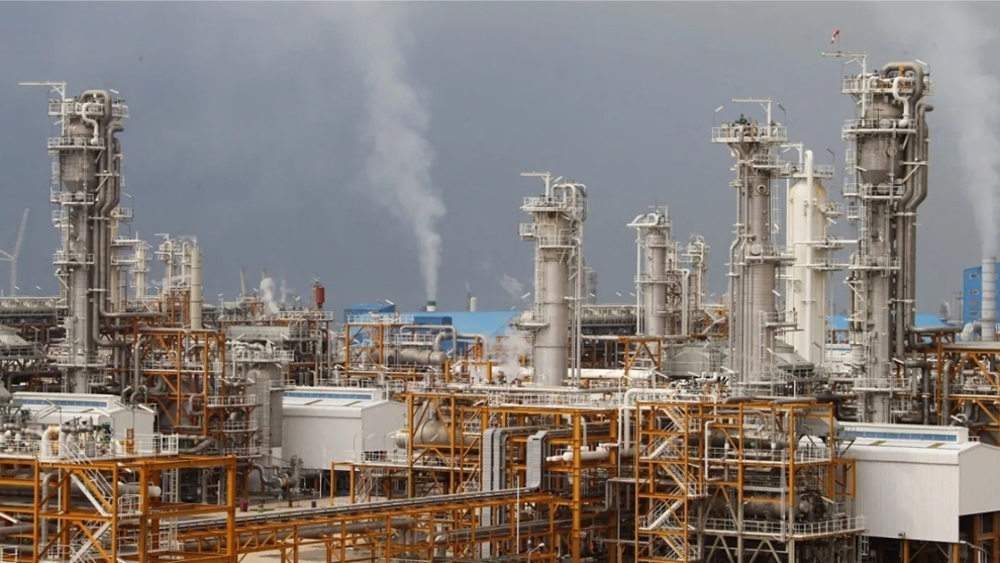
Iran restores half of damaged South Pars production capacity
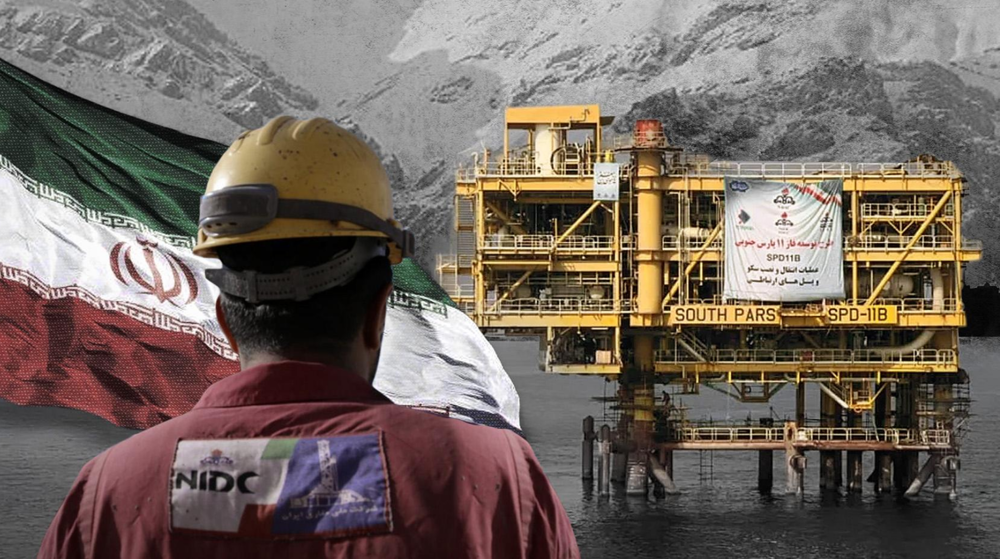
Iran’s energy rebuild sparks unprecedented industrial shift
War spurs Iran’s push to develop Caspian energy frontier



VIDEO | Israeli attacks, restrictions devastate Gaza’s olive industry
‘We are not armed’: Last conversation of Iranian destroyer Dena before US attack
Trump’s Iran gamble turns into a search for an exit
Remains of 105 Palestinians retrieved from Gaza rubble
VIDEO | Iraqis mark Sovereignty Day as they celebrate withdrawal of US forces
‘Baseless news’: Iran debunks US claim of ordering Araghchi to leave NY
Pakistani airstrikes in Afghanistan kill 9 amid renewed escalation
VIDEO | 'Blessed victory day for Iraqi people': Basra residents celebrate withdrawal of US-led forces


 PressTV NEWSLETTER
now
PressTV NEWSLETTER
now
 This makes it easy to access the Press TV website
