Michael Gove continues anti-EU offensive in Northern Ireland
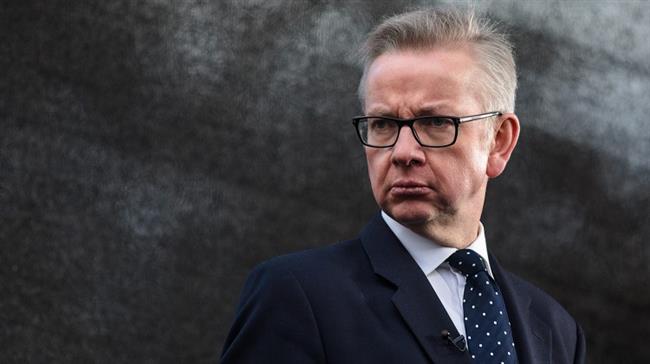
Only days after he categorically vetoed a European Union (EU) request for a “mini embassy” in Belfast, Cabinet Office minister, Michael Gove, has tried to press home his advantage by bullying Northern Ireland parties into submission.
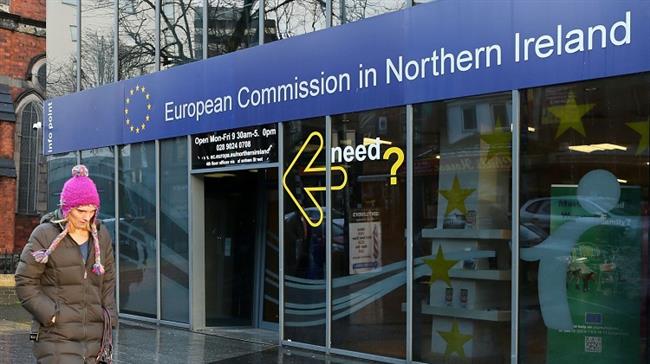
In a reiteration of the government’s uncompromising position, the leaders of the four parties have been told in no uncertain terms that a permanent EU presence in Northern Ireland is “unnecessary”.
Gove was responding to a letter by the leaders of the Alliance Party of Northern Ireland, the Green Party, the Social Democratic and Labour Party and Sinn Féin.
The four NI parties had written to the Prime Minister, Boris Johnson, stating that they “felt strongly” that an “EU office” in Belfast “is necessary”.
The leaders of the four parties – all of which espouse either nationalist or left-wing ideologies – had argued that it was necessary for “EU experts” to be based in Belfast in order to facilitate liaison with the British government and the devolved Northern Ireland Executive.
Ideological position
Replying instead of the PM (who was still recovering from a coronavirus infection at the time), Gove’s letter essentially reinforces the message he conveyed to the parties at a virtual meeting of the EU Select Committee of the House of Commons on April 27.
"Our position remains that the UK cannot agree to the permanent EU presence based in Belfast", Gove wrote curtly.
Whilst Gove was careful enough to add that the government would facilitate “ad hoc visits by EU officials”, he was nonetheless at pains to deliver the Tories’ core message that they would never accept an “EU delegation office in Belfast, or indeed any other permanent EU presence in Northern Ireland”.
Fear of Irish Unity
The government’s tough stance – as conveyed by Gove’s letter – is widely viewed as an indication of the UK’s ideological attitude to Brexit transition talks with the EU.
Furthermore, it is also an indication of the British government’s fear that a permanent EU presence in Northern Ireland after the Brexit transition period (which ends on December 31, 2020) could dovetail with the rising momentum of the Irish Unity movement.
Hitherto, the strongest reaction to Gove’s comments has come from the direction of the staunchly Republican group Sinn Féin, whose most influential MP in the British House of Commons, John Finucane, has lambasted the UK for “playing futile games” over its opposition to the establishment of an EU technical office in Belfast.
Ex-UK officers urge PM Starmer to impose full arms embargo on Israel
UK halts plan to use frozen Russian assets for Ukraine aid amid legal fears

Whistleblower says UK Foreign Office ‘censored’ warning of Sudan genocide



Probe reveals suspiciously ‘precise’ Israeli airstrike killed 15 family members in S Gaza in 2024
VIDEO | Trump, Netanyahu against Iran
UNRWA chief warns Israeli restrictions will deepen Gaza crisis
China's factory activity snaps record slump
VIDEO | Iranians rally in support of Islamic Republic
Israel begins demolition of 25 homes in West Bank refugee camp
VIDEO | The meeting between Trump and Netanyahu
US-led forces to withdraw from Ain al-Assad base in western Iraq next week


 PressTV NEWSLETTER
now
PressTV NEWSLETTER
now

 This makes it easy to access the Press TV website
