Thousands rally in Hong Kong on New Year's Day, call for full democracy
Thousands of people have taken to the streets in Hong Kong on New Year's Day to protest what they called China’s interference in the region’s affairs and the erosion of its autonomy.
An estimated 10,000 protesters on Monday peacefully marched to the region’s government headquarters as part of an annual New Year's Day pro-democracy rally, expressing concern over Hong Kong’s future.
Holding banners that read "Protect Hong Kong," the demonstrators, who included many middle-aged and elderly citizens, called for full democracy as the only lasting means to safeguard the region’s way of life.

"We are here to tell the government that we will not give up," said Joshua Wong, who is one of the democracy activists jailed last year but now out on bail pending an appeal.
"We … encountered many difficulties last year, including some of us being sued and jailed, but we will stand with Hong Kong people. We will fight for the rule of law, fight for Hong Kong, fight for the future, fight for the next generations," he noted.
In reaction to the Monday protest rally, the Hong Kong government said in a statement that it "fully respects the right of Hong Kong people to take part in processions and their freedom of expression.”
The protesters also censured an unprecedented move by China's parliament last week that said part of a high-speed railway station built in the heart of Hong Kong would come under mainland laws.

Pro-democracy lawmakers and campaigners regard the plan in breach of Hong Kong's mini-constitution, the Basic Law, which states that national laws do not apply to semi-autonomous Hong Kong with a few exceptions.
The Hong Kong government argues that the railway construction is for the convenience of passengers, with Chinese authorities insisting that the project does not impinge on Hong Kong’s autonomy.
Under a deal between Britain and China in 1997, Hong Kong was reunited with China, but it was decided that the territory should continue to enjoy autonomy, including a separate legal system.
China promised to grant Hong Kong a high degree of autonomy under a "one country, two systems" arrangement, but activists have repeatedly accused Beijing of backtracking on its promises.
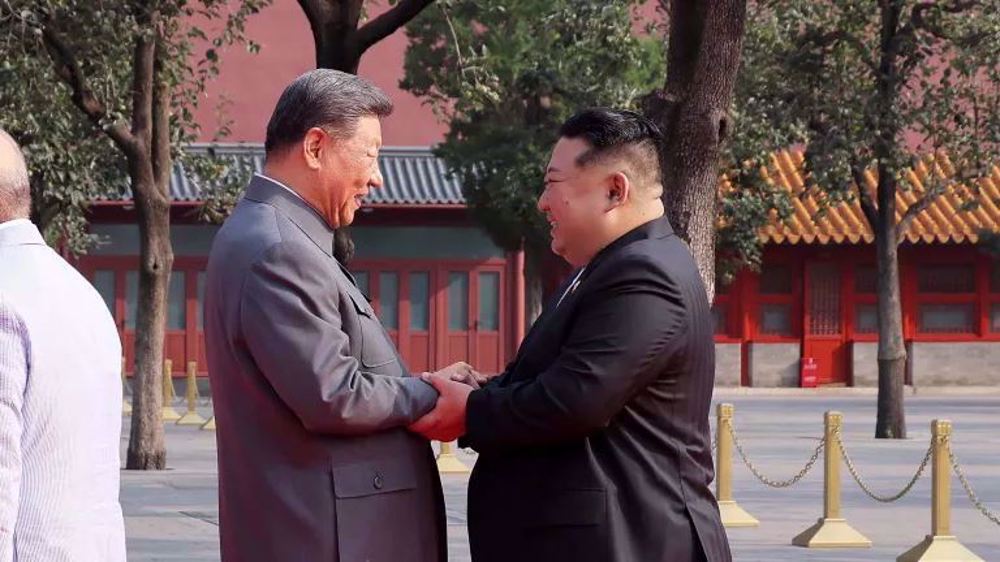
China's President Xi visits North Korea amid growing global tensions
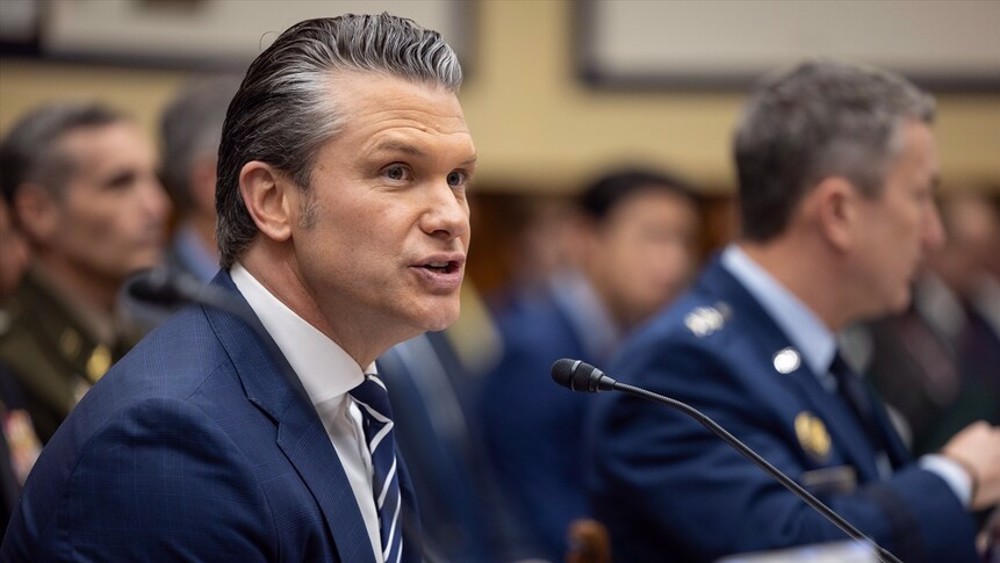
Hegseth warns of China’s growing power, urges US allies in Asia to increase military spending

Pakistan PM's China visit could advance efforts to end US-Israeli war on Iran: Ex-Minister



Intelligence forces dismantle four terrorist cells in southeast Iran
Iran’s army chief says US responsible for new Israeli aggression
Iran’s strikes on Zionist entity in defense of Lebanon and the recalibration of regional deterrence
Pezeshkian vows Iran will not retreat from any threat
Twelve Amirkabir University professors named among world’s top 1% highly cited researchers
Iran announces suspension of operations after ‘painful response’ to Zionist regime
Inside the Lamerd carnage: How new US PrSM missiles were tested on children during 40-day war
VIDEO | Karachi marks passing anniversary of Imam Khomeini with tribute to resistance legacy


 PressTV NEWSLETTER
now
PressTV NEWSLETTER
now
 This makes it easy to access the Press TV website
