Oil-dependent Mideast economies to face more losses: IMF

The IMF says oil producers in the Middle East lost USD 390 billion in revenue last year, warning they should brace for losses of more than USD 500 billion this year.
In a report released Monday, the IMF said the Middle East’s oil-dependent economies will see revenues from oil exports drop between USD 490 billion to USD 540 billion in 2016 compared to 2014.
Oil prices plunged to around USD 30 a barrel in January compared to USD 115 in mid-2014.
The report further said that economic growth in the six-nation Persian Gulf Cooperation Council (GCC) will be 1.8 percent this year, down from 3.3 percent in 2015, urging spending cutbacks.
The GCC includes Saudi Arabia, Kuwait, Qatar, Bahrain, Oman and the United Arab Emirates.
Masood Ahmad, director of the Middle East and Central Asia Department at the IMF, said these losses translate into budget deficits and slower economic growth, particularly for countries like Saudi Arabia.
He said that the oil-exporting Persian Gulf Arab states should press ahead with diversifying their revenue base in the face of persistent low crude prices.
“Oil prices are likely to improve from where they are, but they're not going to go back to the figures that we saw in 2013 and 2014 for a long, long time, so this means that many of them have to cut back spending and they also have to try to raise revenue outside the oil sector,” Ahmed said.
Saudi Arabia has been widely blamed for the plummeting oil prices as Riyadh has adamantly refused to cut its crude output in a bid to drive other players, including US shale producers, out of the market.
In addition, Riyadh has been under tremendous financial pressure due to its expensive military intervention in its southern neighbor, Yemen, which started last March.
Oil accounted for 72 percent of total revenue of the Kingdom last year and it projects a budget deficit of nearly USD 90 billion this year.
In October 2015, the IMF said that oil exporting countries in the region would see revenue losses of USD 360 billion in 2015, but oil prices took a tumble by year's end, resulting in USD 30 billion more losses than projected.
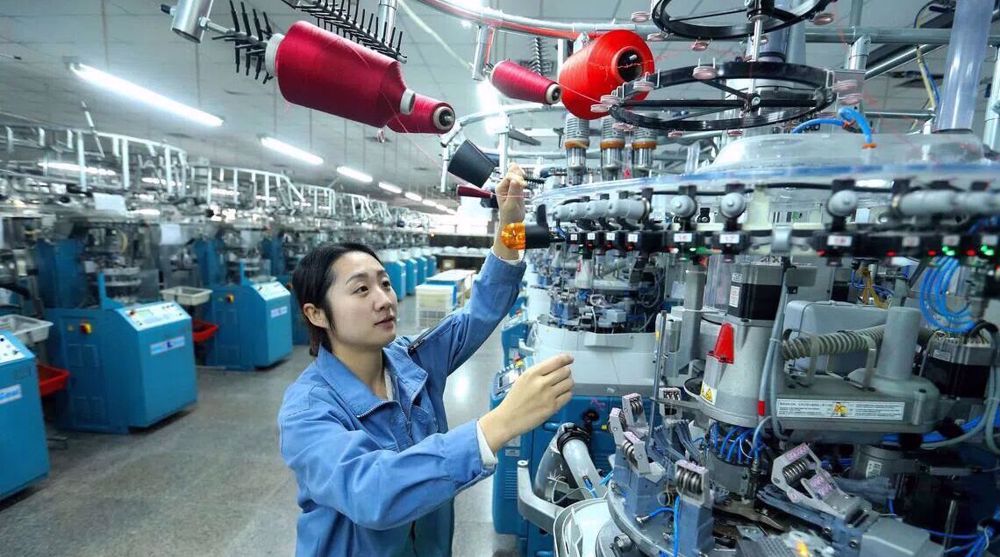
China's factory activity snaps record slump

Oil prices rise as Trump’s Venezuela blockade stokes supply uncertainty

'Migrants at largest US detention camp face foul water, rotten food'



VIDEO | Iran's Leader backs legitimate protests in address on Social Justice
VIDEO | Press TV's news headlines
Hamas: Israel escalating ceasefire violations in Gaza
Venezuela's government declares unwavering unity behind Maduro
VIDEO | Global outcry over Venezuela president abduction
Iran keeps wheat import subsidies despite cutting other food supports
Venezuelan military stands with acting president after US kidnapping of Maduro
VIDEO | Press TV's news headlines




 PressTV NEWSLETTER
now
PressTV NEWSLETTER
now

 This makes it easy to access the Press TV website
