Iran cooperating over PMD to remove excuses: AEOI chief

Iran's nuclear chief says the country is ready to cooperate in the settlement of the issue of the alleged possible military dimensions (PMD) of its nuclear program in order to remove any "excuses" over the peaceful nature of its activities.
Ali Akbar Salehi, head of the Atomic Energy Organization of Iran (AEOI) said on Tuesday that Iran rejects the PMD accusations; however, it has decided to "settle this issue within a diplomatic and technical framework in a bid to stave off excuses."
"Now, with a framework where diplomacy has come to the help of technical issues, the resolution of this issue has been accelerated and the technical matters will be resolved within the framework of diplomatic issues," Salehi said.
He said Iran and the International Atomic Energy Agency (IAEA) have agreed to resolve the so-called PMD issue by December 15 this year.
On July 14, a roadmap for "the clarification of past and present outstanding issues" regarding Iran's nuclear program was agreed between Iran and the International Atomic Energy Agency (IAEA). The text of the roadmap was signed in Vienna by IAEA Director General Yukiya Amano and Salehi.

After signing the agreement, Amano said he would "issue a report setting out the agency's final assessment of possible military dimensions to Iran's nuclear program, for the action of the IAEA Board of Governors, by 15 December 2015."
This came on the same day that Iran and the P5+1 countries – the United States, Britain, France, China and Russia plus Germany – succeeded in finalizing the text of an agreement, dubbed the Joint Comprehensive Plan of Action (JCPOA), in Vienna.
On Monday, the UN Security Council (UNSC) unanimously endorsed a draft resolution turning the JCPOA into international law. Under the resolution, the IAEA will continue to verify Iran’s compliance with its nuclear-related commitments under the Joint Comprehensive Plan.
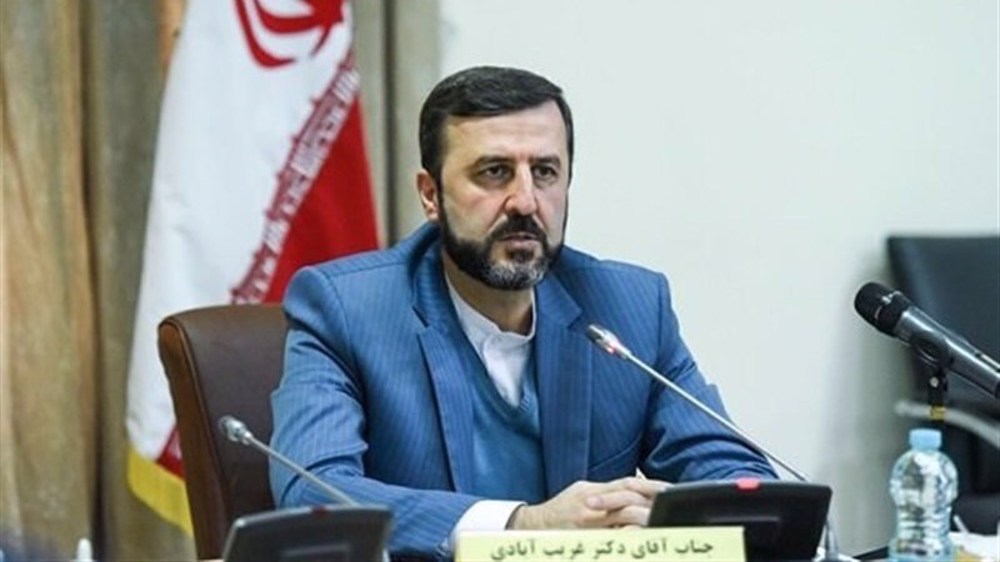
Strikes on civilians during 12-day war proved nuclear issue was just an excuse: Senior diplomat

Israel targeted radiopharmaceutical facility in first attack on Isfahan: Iran nuclear chief
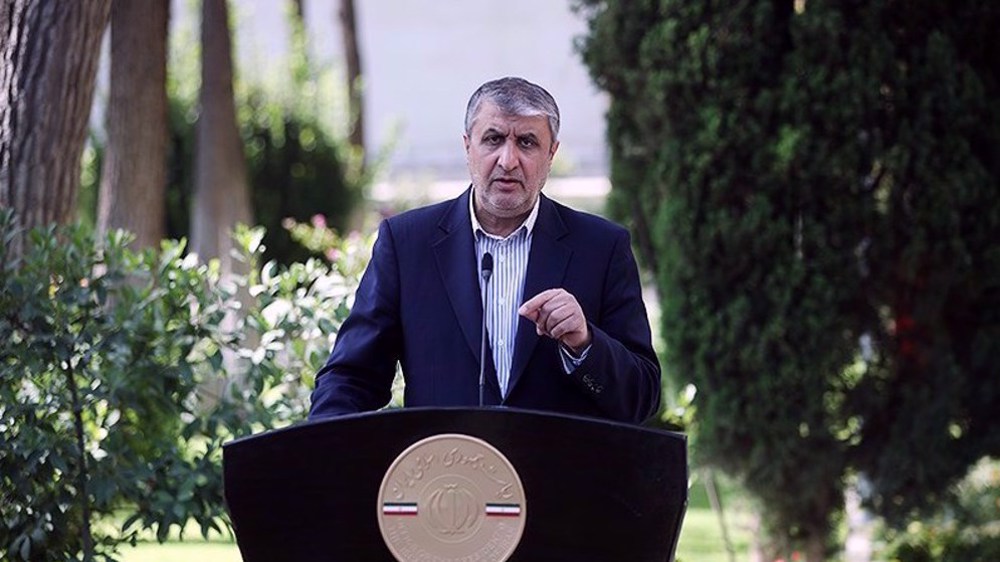
Iran rejects coercion, says no to inspection of damaged nuclear sites



VIDEO | Gaza endures crisis, Israeli violations ahead of Netanyahu-Trump meeting
Russia and US reject European ceasefire proposal
Houthi: Any Israeli presence in Somaliland will be military target
VIDEO | Iran space achievements
Iran reports boom in electronic check use
VIDEO | Press TV's news headlines
Over 10,000 people displaced in three days in Sudan: UN agency
Ben-Gvir pushes bill to restrict Muslim call to prayer across occupied Palestine


 PressTV NEWSLETTER
now
PressTV NEWSLETTER
now

 This makes it easy to access the Press TV website
