Greece doesn’t have much time for deal: Germany

The head of Germany's central bank has warned that Greece does not have “much time left” to reach a deal with its international creditors over the financial crisis in the cash-strapped country.
“There's not much time left” for an agreement to rescue Greece's economy, Deutsche Bundesbank President Jens Weidmann said in a joint interview with three European newspapers on Thursday, adding, “Now it's up to the Greek government to decide in what direction they want to lead their country.”
He further said that in case Athens withdraws from its bailout deal and fails to make debt repayments, the move "would have consequences for Greece that are difficult to control."
The comments came as negotiations between eurozone finance ministers in Luxembourg over the crisis in Greece ended without yielding any results.

Jeroen Dijsselbloem, the head of Eurogroup - the eurozone finance ministers group - said no progress was made in the Thursday discussions, adding that due to Athens' failure to propose enough credible and serious measures, the talks over the past few weeks "have not progressed."
The eurozone's 19 leaders are now set to hold an emergency summit on Monday to "urgently discuss the situation of Greece at the highest political level,” according to European Council President Donald Tusk.
Greece’s financial crisis began six years ago and its economy is still struggling despite receiving two rescue packages worth 240 billion euros (USD 270 billion) since 2010.
The negotiations aim to end a months-long disagreement between the Greek government and its creditors, who want reforms in return for releasing 7.2 billion euros (USD 8.2 billion) in bailout funds, which have been delayed since February.
Athens is in need of the financial help to repay its debts, including 1.6 billion euros (USD 1.8 billion) it owes the International Monetary Fund (IMF), by the end of June, and without a deal it faces default and may even be forced to leave the eurozone.
Greece’s international lenders - the European Central Bank, the IMF and the European Commission - refuse to pay Athens the remaining part of the debt-ridden country’s bailout program, on the basis that the country must first implement further economic reforms.
MR/MHB/SS
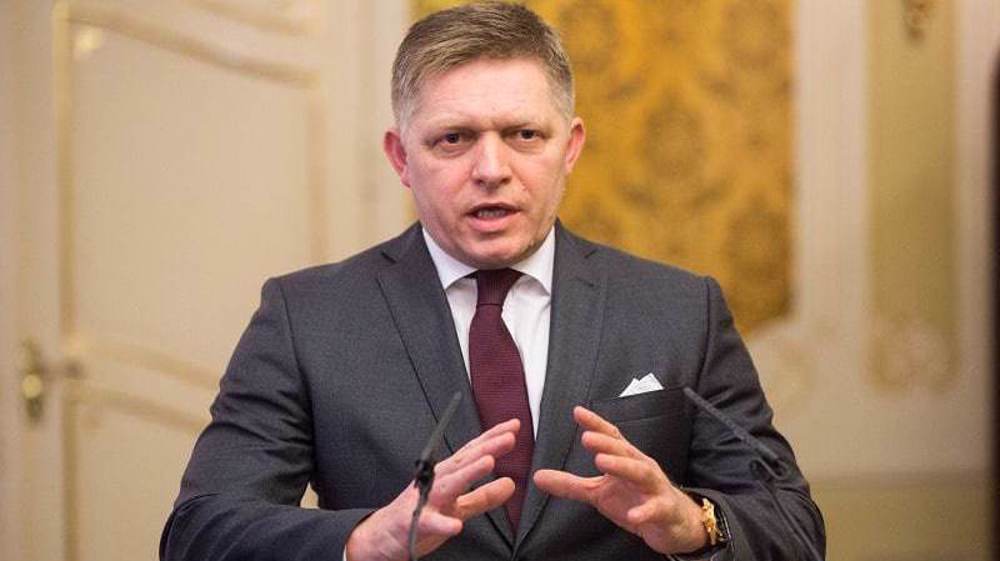
Slovak PM describes Trump’s state of mind as 'dangerous' to EU leaders

'Militia that kills’: Milan mayor says US ICE agents not welcome at Winter Olympics
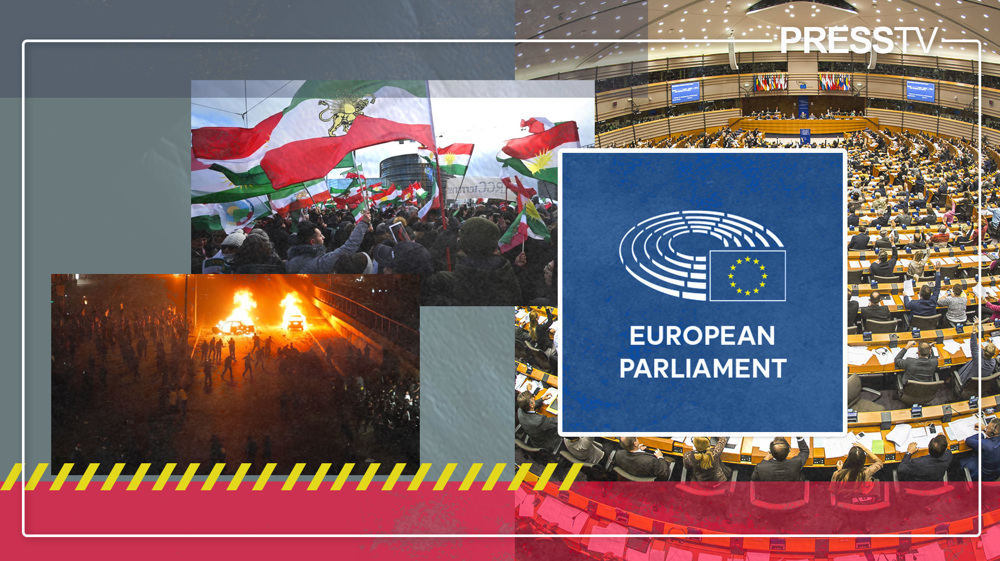
European parliament pushes new hostile measures after CIA-Mossad-backed riots in Iran



Hamas blasts Western media for blindly defending false Israeli narrative
ElBaradei condemns US threats of military action against Iran
‘No two-hour war’: Iran vows immediate retaliation to any attack
VIDEO | US warmongering threatens stability
Pezeshkian: US must end provocations if it seeks genuine diplomacy
Iran summons German ambassador over Merz’s ‘low-minded’ remarks
Iran's Armed Forces warn EU of ‘consequences’ of IRGC designation
Iran FM: EU’s blacklisting of IRGC a ‘major strategic mistake’


 PressTV NEWSLETTER
now
PressTV NEWSLETTER
now

 This makes it easy to access the Press TV website
