Burundi accepts AU military observers 'in principle'

Burundi says it has agreed "in principle" to the deployment of African Union (AU) military observers and rights experts to oversee the country’s upcoming parliamentary and presidential elections.
"Military experts, human rights monitors, observers -- we say that in principle there is no problem, there is no objection," Foreign Minister Aime-Alain Nyamitwe said told AFP on Thursday.
However, Nyamitwe emphasized that monitors would be only permitted in the country following “consultations” with the AU, urging the 54-nation bloc to provide details like nationalities, number and mandate of observers.
Earlier this week, AU Peace and Security Commissioner Smail Chergui announced plans by the union to send some 50 observers to the Central African state amid political unrest over President Pierre Nkurunziza's controversial bid to stand for a third consecutive five-year term, which opponents have branded as unconstitutional.

The African Union has also expressed its deep concern about the situation in Burundi, calling on Bujumbura to postpone the country’s key elections, which have been postponed following weeks of anti-Nkurunziza demonstrations.
Nyamitwe also dismissed the AU’s request for any further postponement of the vote.
Gervais Abayeho, a spokesman for President Nkurunziza, announced last week that the presidential poll will be held on July 15, while legislative votes will be on June 29.

Burundi plunged into unrest late April after the National Council for the Defense of Democracy – Forces for the Defense of Democracy, which is the ruling party in Burundi and known by its French acronym, CNDD-FDD, designated the incumbent president as its candidate for the next presidential election.
The Burundian president also survived a coup attempt by General Godefroid Niyombare in the violence-wracked country back in May.
In October 1993, Melchior Ndadaye, the first democratically-elected president of Burundi, was assassinated, triggering deadly ethnic conflict between the Hutu majority and minority Tutsis. Hundreds of thousands of people were killed in the African nation's 13-year civil war that ended in 2006.
SSM/KA/HMV
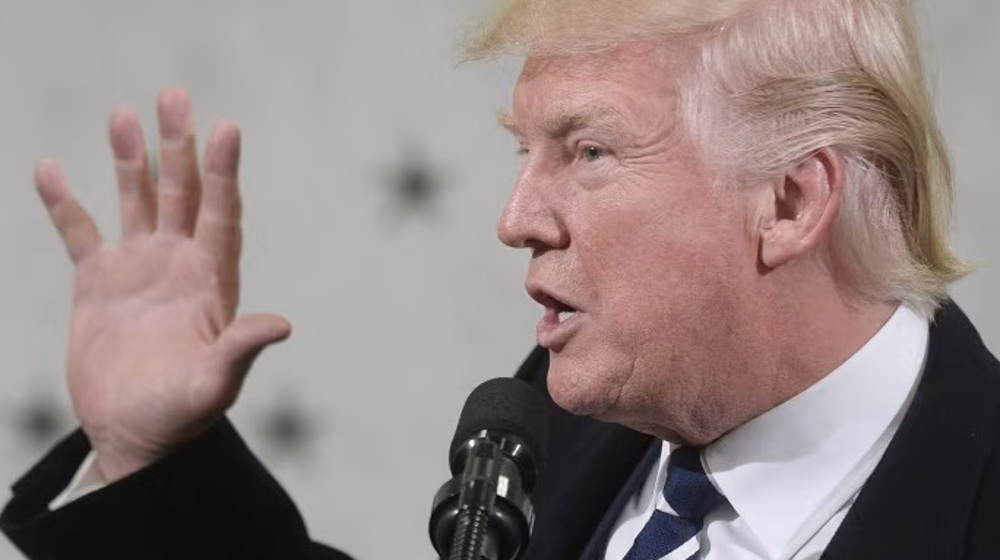
Mali, Burkina Faso impose reciprocal travel bans on US citizens
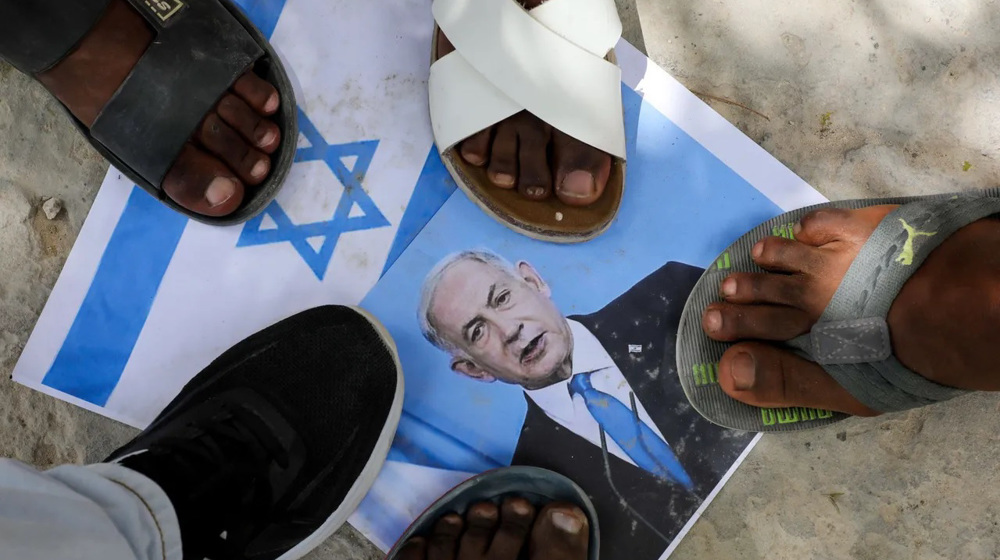
Somalia erupts in massive protests over Israel's recognition of Somaliland
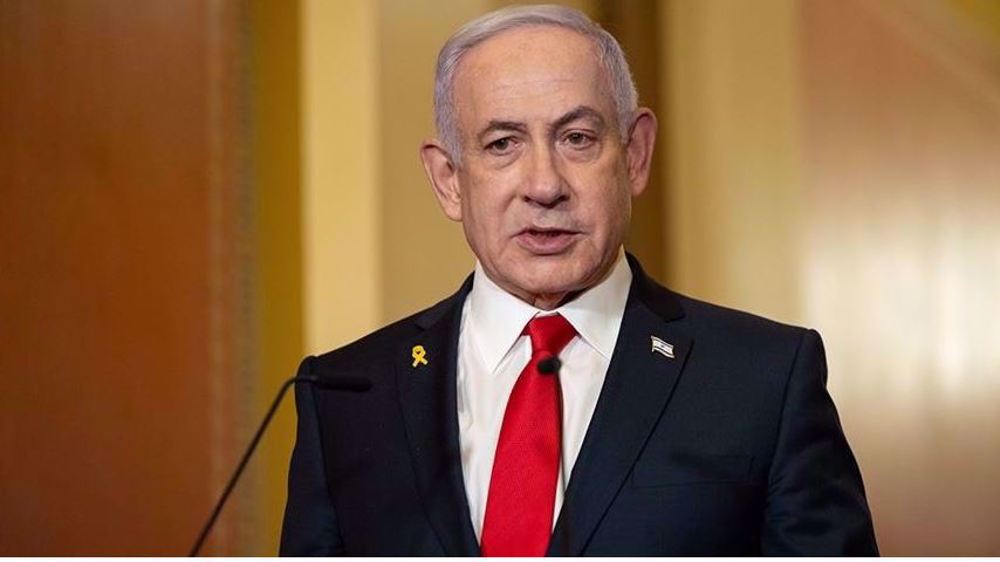
Israel recognizes Somaliland as state, drawing international condemnation


US abduction of Maduro makes world less safe, signals impunity: UN
Iran’s breakthrough oral SMA drug sparks hope for rare disease patients worldwide
VIDEO | Alliance turned battlefield
Venezuela’s Iran embassy: US misjudged Maduro, expected a Noriega, found a Mandela
'Security a red line': Iran vows 'decisive' response to threats
Iran not afraid of enemy, will not submit to US domination: IRGC
Iran foils foreign-linked sedition network, arrests armed suspects
UK acting as US vassal state on Venezuela


 PressTV NEWSLETTER
now
PressTV NEWSLETTER
now

 This makes it easy to access the Press TV website
