Post-sanctions Iran oil hike "blessing for bulls"

The aftereffects of last week’s announcement by Iran and P5+1 that they had found solutions to move ahead toward a final agreement over the Iranian nuclear case continue.
The announcement triggered hopes for global businesses to return to Iran’s huge market once the US-engineered sanctions are removed against the country – as emphasized by Iran and P5+1 at the end of multiple days of intense talks in the Swiss city of Lausanne last Thursday. There are now concerns that Iran’s oil – once it flows to markets after sanctions are lifted – could add an extra pressure on prices already bending over supply saturation.
The Wall Street Journal has quoted estimates by the US Department of Energy as showing that Iran could start selling a stockpile of 30 million barrels or more later this year and raise its output from the current 2.8 million barrels a day by perhaps 700,000 barrels a day by the end of 2016.
“In reality, if all that extra Iranian oil did materialize, other producers ought to scale back to make way [to increase Iranian supplies], mitigating the buildup,” The Journal added. “Yet the usual swing producer, Saudi Arabia, has shown little inclination to cut back even as oil prices have plummeted. Doing so to accommodate rising output from its fierce rival across the Persian Gulf is hardly likely.”
The Journal said an intriguing possibility could be that the prospect of higher Iranian output finally brings countries such as Russia to the negotiating table in terms of coordinated production cuts, something that Saudi Arabia has been looking for since last year.
Nevertheless, it is more likely that the extra supply would suppress prices and higher-cost barrels such as those being produced in the shale basins of North America would get squeezed out.
“That is a mixed blessing for oil bulls, though. Even now, with crude oil trading at half the level of a year ago, US output is still up, year over year. And while the Department of Energy forecasts that production to flatten out later this year, it also expects it to reach a record by the end of 2016 as a recovery in prices encourages more drilling,” The Journal said.
“Competing Iranian supply could prevent that, but only by crushing prices to a level that causes exploration and production firms to really throw in the towel and offer little peace to those investors betting on a sustained rebound in the oil market”.
AA/AA

IRGC carries out large-scale cloud seeding operation
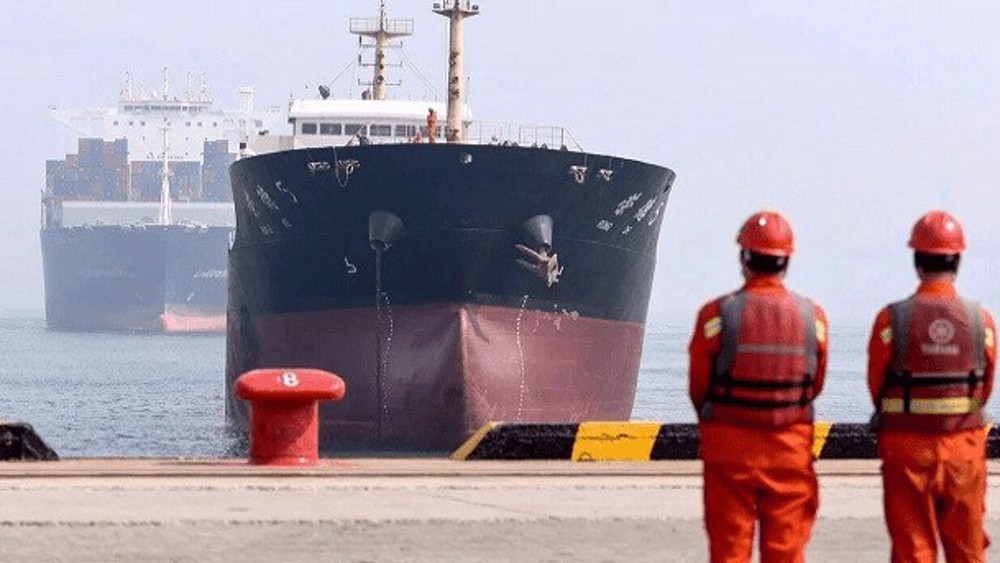
China raises Iran oil import amid expanded quotas for refiners: Report
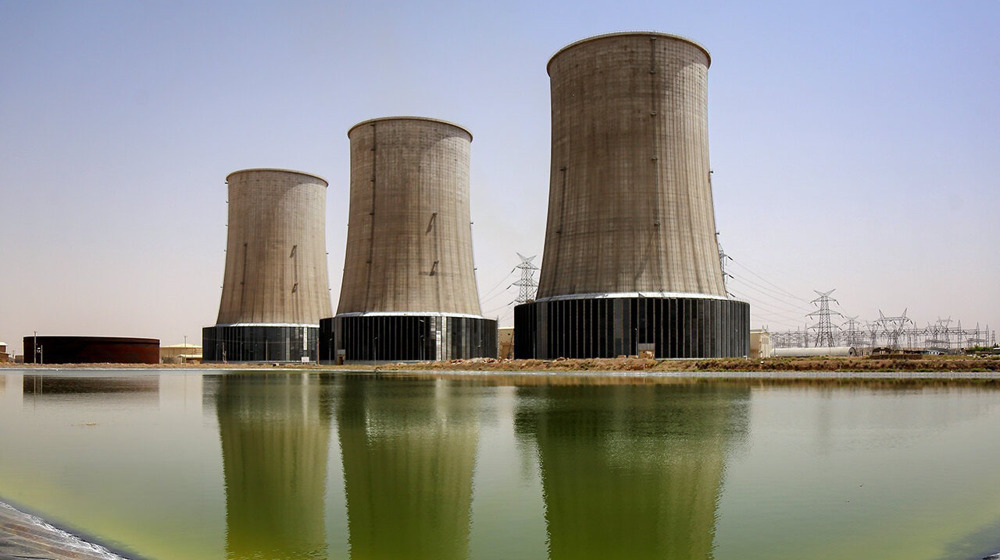
Iran relies on fossil fuels for 92% of its electricity generation: Official



Iran condemns ‘violent’ attack on Jewish event in Australia
Afghanistan’s regional integration key to lasting stability: Iran FM
VIDEO | 12 dead, dozens injured in mass shooting at Jewish event in Australia
‘Cinema Verité’ festival and a new geography of global resistance documentary
VIDEO | Iran seeking ouster of US forces from West Asia region: Analyst
VIDEO | Press TV's news headlines
BritCard protest march converges on London
Iran Greco-Roman athlete Farrokhi named wrestling phenomenon of year


 PressTV NEWSLETTER
now
PressTV NEWSLETTER
now

 This makes it easy to access the Press TV website
