Iran’s energy rebuild sparks unprecedented industrial shift
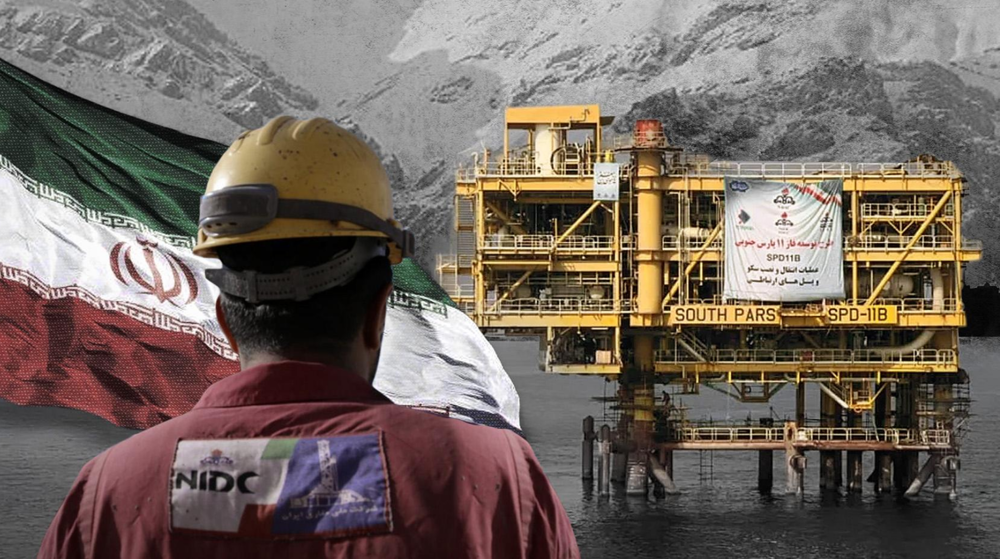
When damage struck Iran’s oil and gas infrastructure during the US-Israeli war against Iran, the immediate priority was restoring facilities whose operation is vital to the country’s energy system.
Alongside that effort, however, reconstruction is creating new demand for Iranian technology companies already working to supply equipment, engineering services and technical solutions to the oil and gas industry.
Engineers, technology firms and specialized manufacturers are mobilizing to assess damage, repair equipment and restore oil, gas and petrochemical infrastructure.
The Oil Industry Innovation and Technology Park is playing a coordinating role by identifying technical and operational problems and matching them with knowledge-based and technology companies capable of developing solutions.
The objective is not limited to supplying replacement parts. It also involves adapting existing technologies, developing new products and moving successful solutions toward commercial production.
For these companies, reconstruction is therefore using domestic technology firms to address specific operational problems and then turning successful technical solutions into products and long-term industrial contracts.
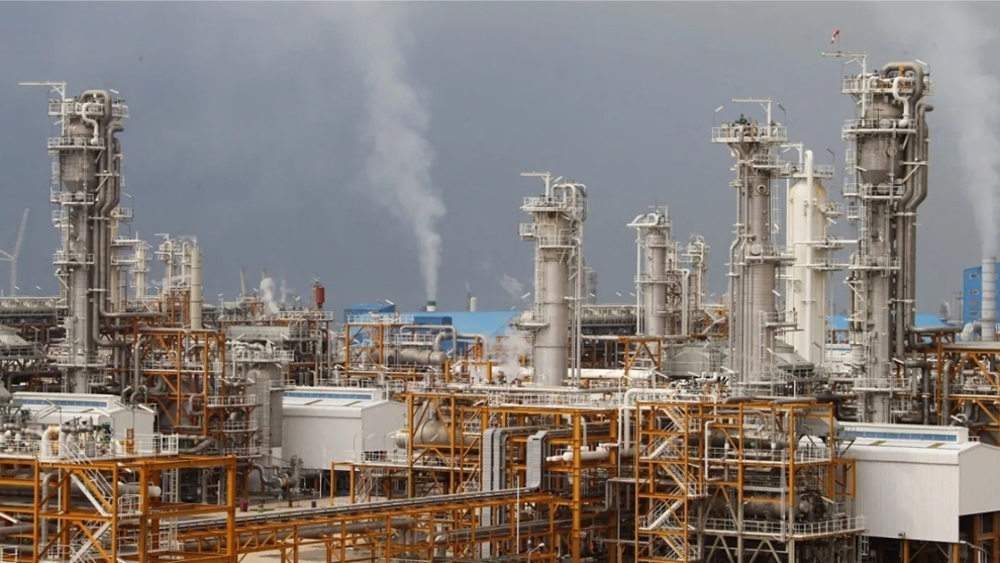
The scale of that domestic capacity can be seen at South Pars, where the gas complex operates 13 refineries and accounts for nearly 70 percent of the country’s energy supply basket, according to its managing director, Gholamabbas Hosseini.
Maintaining the complex’s equipment is therefore closely linked to maintaining the reliability of the national gas system.
As winter preparations advance, Hosseini said domestic manufacturers and knowledge-based companies supplied all parts and equipment needed for this year’s major maintenance.
The figure is significant not simply because of the volume of equipment involved, but because some of the products are being manufactured domestically for the first time.
That indicates a shift from conventional domestic procurement toward the development of products that previously had to be sourced from outside suppliers or were not previously available from Iranian manufacturers.
South Pars provides the operating environment in which these products have to meet the requirements of a large-scale gas-processing system.
Equipment supplied for major maintenance must be manufactured, delivered and integrated into existing facilities, making industrial performance an important part of the technology-development process.
The broader expansion of this network can be seen in the Oil Industry Innovation and Technology Park’s work with inactive and low-producing oil wells.
Over the past two years, the park reported that more than 700 closed or low-producing wells have been returned to operation through projects involving domestic technology companies.
The program was built around the identification of technical problems and the submission of specialized solutions. Seventy-six technology companies participated, submitting 189 technical and specialized proposals.
These proposals resulted in 18 contracts, of which 12 were subsequently put into implementation. More than 60 confidentiality agreements also created additional areas for cooperation between companies and the oil industry.
Together, these figures show how the relationship between the oil industry and technology companies is being structured around identifiable commercial and operational requirements.
Instead of funding technology development separately from industrial demand, the model places companies in front of specific problems and creates a route from proposal to contract and, where applicable, to deployment.
Reconstruction creates demand for inspections, repairs and replacement equipment, while damage assessments can also identify opportunities to modernize facilities and adapt technologies to current operating conditions.
That creates opportunities for companies beyond those already established as oil-sector suppliers.
Specialized manufacturers, engineering firms, software developers and automation companies can apply their capabilities to the energy sector where they meet identified technical requirements.
A company that successfully supplies equipment to one refinery or gas-processing facility gains an industrial reference, production experience and a clearer understanding of the specifications required by major operators.
Those factors can support subsequent contracts for maintenance, equipment renewal and modernization.
First-time domestic products can meet immediate needs while creating demand for further investment in manufacturing capacity, testing, quality control and technical services.
This is particularly relevant to oil and gas, where refineries and gas-processing facilities require continuous maintenance, replacement parts, upgrades and technical services.
South Pars is using the current maintenance cycle to expand domestic supply, with Hosseini saying the complex is seeking greater use of knowledge-based companies and new technologies to improve reliability, efficiency and production stability.
For years, the main question for many Iranian technology companies was whether they could turn technical expertise into products that an industrial customer would actually buy and use.
The current reconstruction effort puts that question inside a sector where the requirements are immediate, the equipment is highly specialized and the consequences of failure are considerable.
Industrial demand is increasingly shaping what companies develop, shifting the oil industry’s relationship with suppliers from technology-led products to solutions driven by specific operational needs.
A refinery may need a specific component, a production unit a new system, or a damaged facility an assessment or rebuild, giving engineers clear targets and manufacturers incentives to develop solutions.
The reconstruction of damaged infrastructure has sharpened this process, linking urgent restoration efforts with a broader push to align Iranian engineering and manufacturing capacity with the energy sector’s everyday needs.
The significance is ultimately measured not by how many companies are described as “knowledge-based,” but by whether they can make things that work, solve problems that matter and remain useful after the immediate crisis has passed.
Iran’s oil and gas industry shows this transition is already underway, with technology development increasingly tied to industrial needs and the energy sector drawing on a growing base of domestic expertise.
Press TV’s website can also be accessed at the following alternate addresses:
Iran restores half of damaged South Pars production capacity
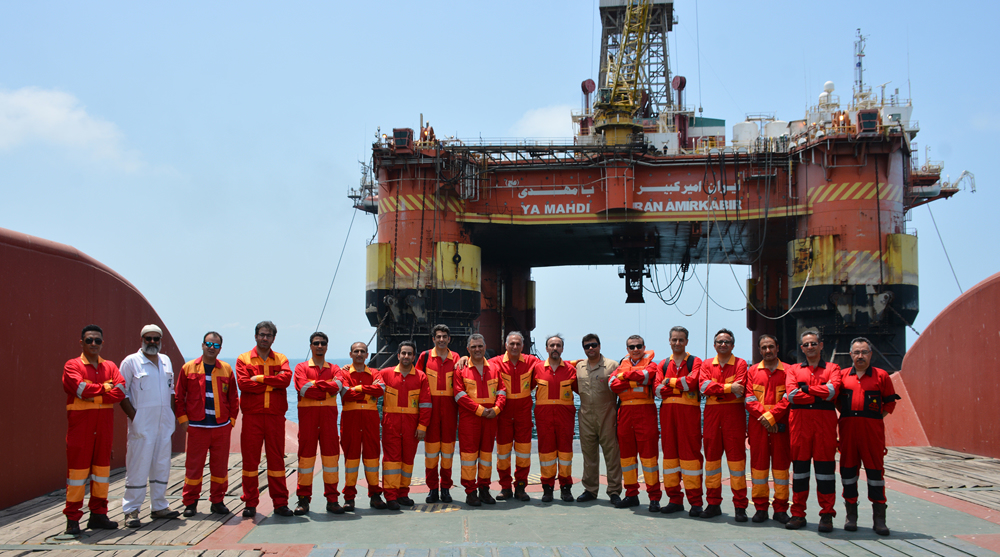
War spurs Iran’s push to develop Caspian energy frontier
Iran connects 290MW Dalahoo power unit to grid, showcasing elite F-class turbine technology



 This makes it easy to access the Press TV website