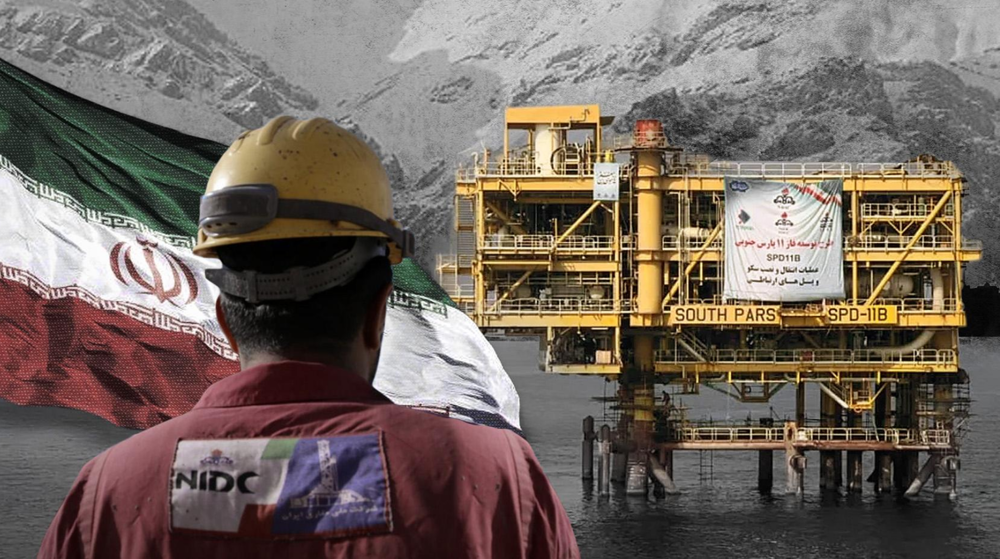
Iran’s energy reconstruction is drawing domestic technology companies deeper into the oil and gas industry, turning wartime damage into a test of the country’s industrial capabilities.
Tabriz is transforming its centuries-old trading tradition into a diversified modern economy, combining carpets, leather and footwear with manufacturing, food production and exports to markets across the Caucasus and beyond.
Over 200 nights, Iranians have held nationwide gatherings, expressing unity, resilience and support for the Islamic Republic amid war, external threats and calls for national defense.
The head of Iran’s Basij Organization says the Islamic Republic’s victory against adversaries on the battlefield must be complemented by victory in the battle of narratives.
The war against Iran has cost the US at least $38 billion through the end of July and is expected to further fuel inflation, a congressional assessment shows.
Mohammad al-Qeeq, writer and political analyst, says the Israeli regime’s detention and harassment of Palestinian journalists in the occupied West Bank are part of a broader effort to intimidate the press.
The Pentagon inspector general has officially confirmed that a US F-35 was damaged by Iran's fire during a combat mission over the country, months after US officials described the incident only as an emergency landing.
This week, on The MidEaStream, we examine Yemen's growing strategic leverage around Bab al-Mandab and the mounting pressure on Saudi energy infrastructure.
The commander of the Islamic Revolution Guards Corps (IRGC) Navy has praised the Iranian public for 200 consecutive nights of nationwide demonstrations in support of the armed forces.
The United States and Israel attempted to use the Kurdistan Region of Iraq as a military and security launchpad against Iran during the 40-day war, says Parliament Speaker Mohammad Baqer Qalibaf.



 This makes it easy to access the Press TV website