
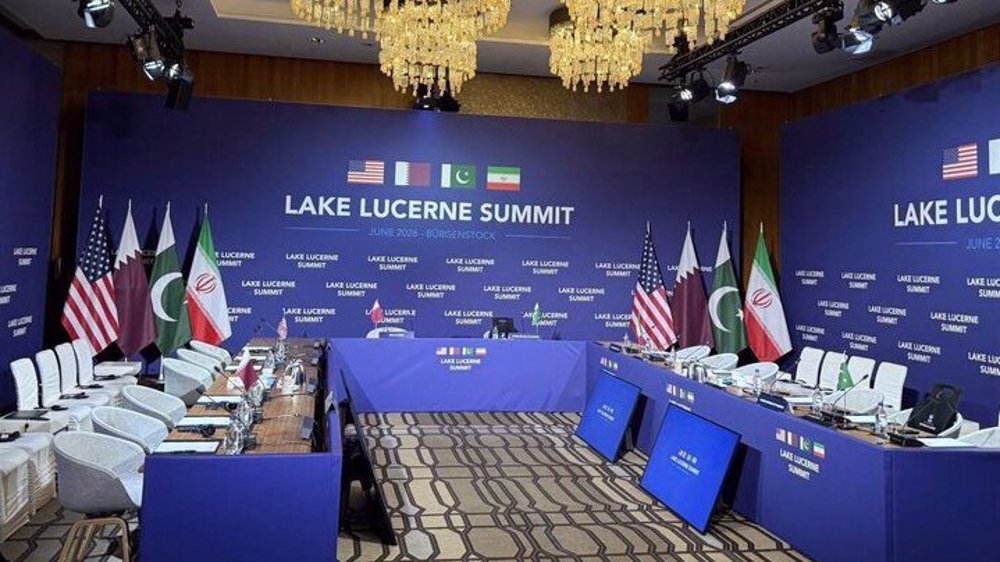
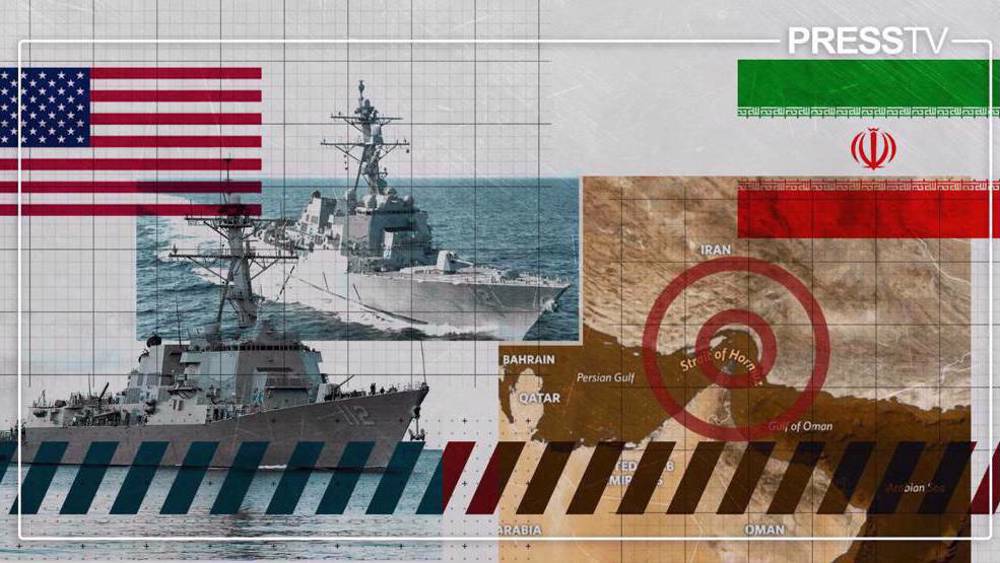
The 60 days that were supposed to pave the way from the Iran-US war to a lasting agreement have now come to an end without a final deal, without resolving the dispute over Iran's peaceful nuclear program, without settling the issue of sanctions and frozen assets, and most importantly, without resolving the dispute over the Strait of Hormuz and the US military presence in the region.
On August 18, the deadline, widely understood to be a 60-day window under the Islamabad Memorandum of Understanding, came to an end. Washington showed no interest in extending it, while Donald Trump once again adopted a position that Tehran interpreted as a return to a policy of pressure and threats.

But from Tehran's perspective, the story is not quite that simple.
There is essentially no such thing as a 60-day deadline in the text of the understanding.
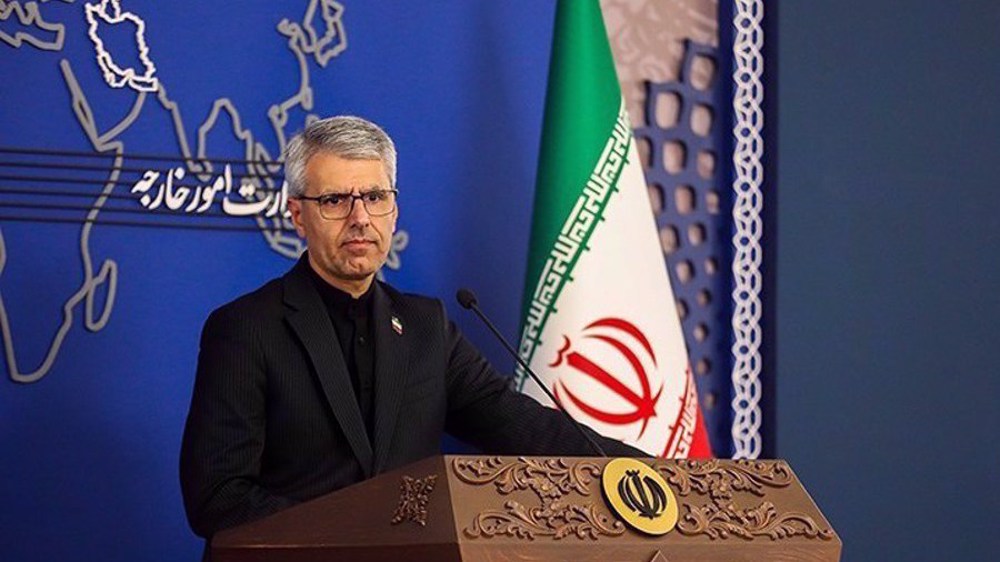
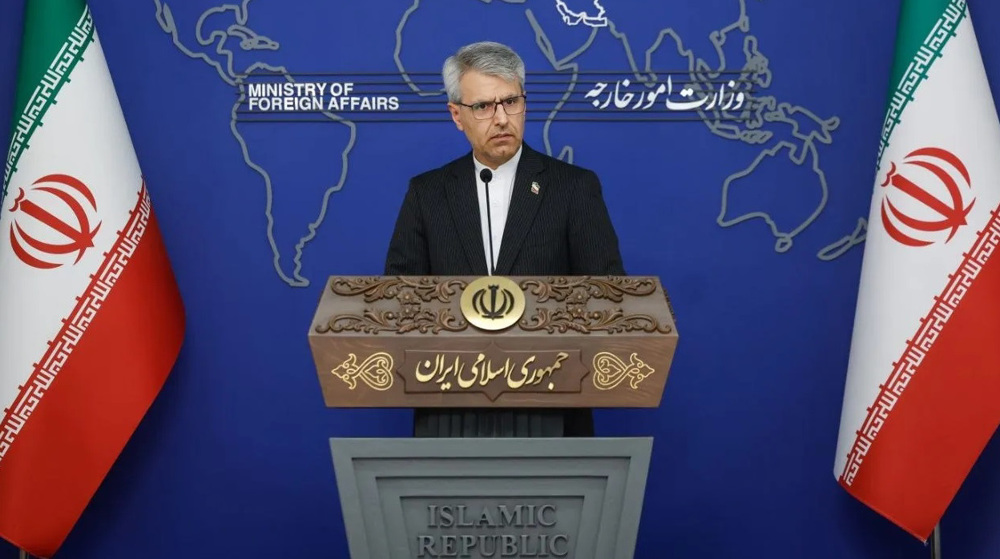
Esmail Baghaei, Iranian Foreign Ministry Spokesperson
He stressed that the Islamic Republic does not formulate its policies under pressure, ultimatums, or deadlines, and argued that the United States had already violated its commitments just weeks after the understanding was signed.
So, from Tehran's perspective, the issue today is not whether to extend a ceasefire or prolong a deadline but rather whether the United States is prepared to return to its commitments, as accepted under the understanding, which is an important distinction.
The Islamabad understanding emerged after weeks of fighting, when both sides had reached the conclusion that continuing the war would come at too high a price.
Pakistan stepped in as a mediator, and eventually a framework was established that was supposed to end the fighting on all fronts and open the way for negotiations over the nuclear issue, sanctions, the naval blockade, and the future of relations between the two sides.
But almost from the very beginning, the gap between the text of the agreement and the reality on the ground became apparent.
The US approach to the Islamabad Memorandum has effectively repeated what we saw with the JCPOA and the previous rounds of negotiations.
We are now seeing Israeli attacks on Lebanon continue, along with the US actions in the Strait of Hormuz.
Iran's frozen assets have still not been released.
It seems the US used the memorandum to buy time to rebuild its military capabilities, support Israel against the resistance front, and gain greater control over the global energy market.
Ultimately, Washington appears to be looking for a way out of a confrontation with Iran and its asymmetric warfare strategy.
Dr Ehsan Movahedian, International Relations Specialist, ATU University
One of the most important US commitments was to end the naval blockade of Iran.
The process of lifting the blockade was supposed to begin immediately and be completed within a maximum of 30 days; in return, Iran was expected to facilitate the safe passage of commercial vessels through the Strait of Hormuz.
But by mid-July, the United States had resumed the naval blockade, and that was when the Strait of Hormuz became the most visible symbol of the dispute.
Donald Trump has spoken of US control over Hormuz and has even floated the idea of taking control of the strategic waterway.
But the reality of shipping, according to data reviewed by Reuters, tells a different story.
Before the war, more than 130 vessels passed through the strait every day, after the war that figure began to look almost unimaginable.
Iran is making effective use of the leverage it has, including the Strait of Hormuz.
It can disrupt the flow of oil, LNG, and other critical commodities that the global economy depends on.
The Strait of Hormuz has no complete alternative, and Iran will use the leverage if necessary, and if pushed, it can deliver a painful response.
Dr Ehsan Movahedian, International Relations Specialist, ATU University
Iran must talk to the Americans through the language they understand best.
The US only understands the language of force. The recent war made that very clear.
Iranian forces stood firm and put US interests at risk and that's when Washington backed down and agreed to a memorandum it never really wanted to sign.
Even now, the US is not honoring its commitments.
The only way to make Washington take the other side's demands seriously is through strength, resolve, and resistance.
Ahmad Dastmalchian, Former Iranian Diplomat to Beirut
Mohammad Baqer Qalibaf, Speaker of Iran's Parliament, has made Tehran's position clear: “Until the blockade is lifted, Iran's frozen assets are released, oil sanctions are removed, threats and military operations on all fronts are ended, and the other conditions of the understanding are fulfilled, the Strait of Hormuz will not be reopened”.
Clearly, Iran is not going to accept this kind of aggressive rhetoric and behavior from Washington. Tehran has also taken a tougher stance; with some senior officials even raising the possibility of leaving the NPT.
It appears the US wants to cripple Iran's economy through pressure, sanctions, and a naval blockade, and force Tehran into making concessions. But this approach has destroyed Iran's trust.
Tehran believes that by maintaining pressure of its own, it can eventually force Trump and Netanyahu to back down, particularly with both of facing elections.
Naser Torabi, International Affairs Expert
From Iran's perspective, Hormuz is not a separate issue from the negotiations. It is part of the same equation of reciprocal commitments that was supposed to emerge in Islamabad.
If the United States maintains the blockade, why should Iran unilaterally guarantee the passage of ships?
If sanctions remain in place, why should Tehran surrender its economic leverage?
And if US forces remain stationed around Iran, what guarantee is there that a pause in the fighting will not simply give Washington time to rebuild its military capabilities and prepare for the next round?
For Iran, this matters in particular, because the conflict was never confined to the borders of Iran and the United States. Lebanon, Yemen, Iraq, the Persian Gulf, and the Strait of Hormuz all became part of the confrontation during the crisis.
We saw the most important provision of the Islamabad memorandum violated almost immediately.
I remember the mood in Iran at the time; people were saying Lebanon entered the fight for our sake, now there are no missiles or drones over Iran, while Lebanon is being hit by bombs and missiles.
The memorandum was breached within hours, and the US and Israel used that window to rebuild their capabilities.
Naser Torabi, International Affairs Expert
Tehran therefore argues that it is impossible to speak of peace on one front while military operations continue on another.
Iran doesn't deem Lebanon as a geopolitical card in its confrontation against Israel and the Western hegemony in the region as a whole.
One of the provisions of the Islamabad MOU was the end of war on all fronts, including Lebanon, why do you think Iran insisted on such a condition and did not limit the ceasefire only between Iran and the United States?
The Lebanese resistance and other members at the resistance front share a common ideological and political struggle with Iran against oppression and hegemony.
They are not separate theaters.
Just as the US provides Israel with full military and political support, Iran supports the oppressed and innocent people of the region, particularly in the Lebanon.
Ahmad Dastmalchian, Former Iranian Diplomat to Beirut
The Islamabad understanding also called for an immediate and permanent end to military operations on all fronts, including Lebanon, with an emphasis on respecting Lebanon's sovereignty and territorial integrity.
If Iran and the US resume negotiations, do you think that the issue of Lebanon should be included in the talks, or should Iran solely focus on its nuclear issue and its relations with the US?
Iran has a responsibility to support the resistance front on all fronts, not just in Lebanon.
These oppressed people have very few other supporters.
Some Muslim countries may call themselves Islamic, but in practice, they have sided with the oppression and crimes committed by the US and Israel in many cases.
Ahmad Dastmalchian, Former Iranian Diplomat to Beirut
From Tehran's perspective, Lebanon is one of the clearest examples of the failure to implement that commitment, as Israeli air, drone, and ground attacks in Lebanon reached into the hundreds, while southern Lebanon continued to witness attacks, casualties, and destruction.
So, from Tehran's point of view, if an agreement cannot guarantee its most basic principle-that is, an end to military operations-how can it possibly guarantee long-term security?
One reason Netanyahu's standing has taken such a serious hit in opinion polls is the situation in Lebanon.
Lebanon is extremely important to us because it's the main stronghold of the resistance front.
It's also the closest front to Israel and is facing some of the heaviest attacks.
That's why it is so important for us to ensure that Lebanon remains standing.
Naser Torabi, International Affairs Expert
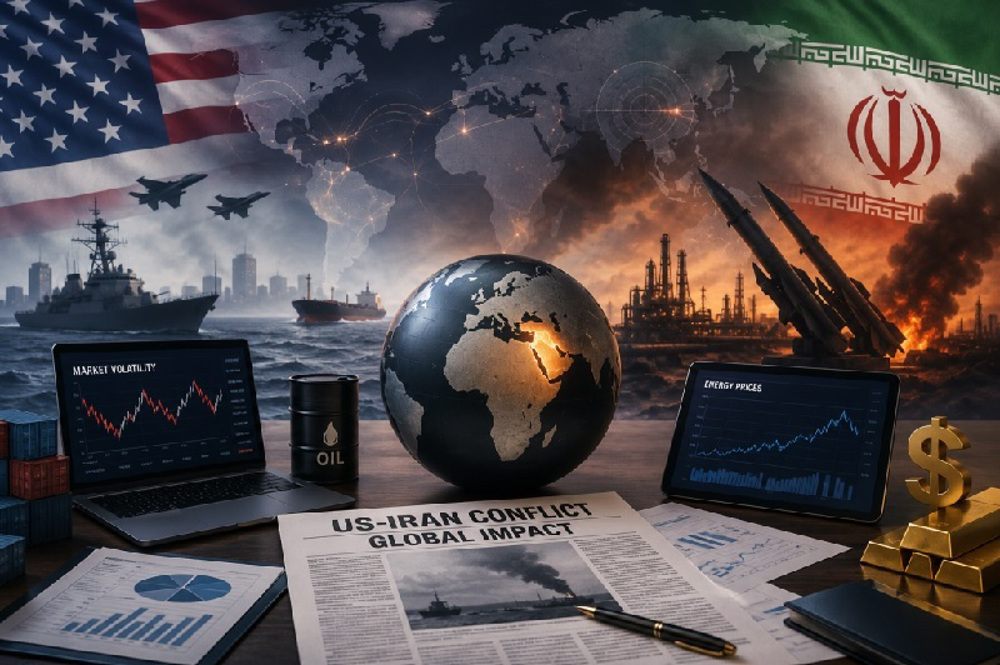
The next issue is US military presence. Under the framework the United States was supposed to move its forces away from Iran within 30 days of a final agreement.
During the negotiations, the status quo was also to be maintained. Iran would keep its nuclear program at its existing level, while the United States would impose no new sanctions and send no additional forces into the region.
From this perspective, Tehran is not presenting a new demand that falls outside the framework. Its argument is that reducing the US military threat was part of the logic of the agreement from the very beginning.
For Iran, American aircraft carriers, bombers, fighter jets, and military bases in neighboring countries are not simply pieces of military hardware; they are part of the threat equation.
So, if Washington genuinely wants the war to end, Tehran expects that end to be visible on the ground in troop numbers, their locations, the movement of warships and the use of regional military bases, but perhaps the most important disagreement is about trust.
The Islamabad understanding entered crisis just weeks after it was signed.
On July 7th, Trump declared that the deal was effectively over, while Tehran held Washington responsible for violating its commitments, and this is precisely the problem that any future agreement will have to solve.
A political signature in and of itself is not a security guarantee.
Every agreement or understanding the US has reached with Iran has eventually been violated, particularly since the Islamic Revolution.
The first major agreement we reached with Washington after the revolution was the Algiers Accord in the early 1980s.
It included two main commitments: that the US would not interfere in Iran's internal affairs, and that it would return Iran's frozen assets.
Washington fulfilled neither commitment.
That's why Iran needs to reduce its dependence on agreements that can be changed from one US president to the next.
Many of the sanctions against Iran, after all, are based on decisions made by Congress.
Naser Torabi, International Affairs Expert
Tehran wants guarantees that go beyond political promises, guarantees backed by clear mechanisms for verification and consequences in the event of a violation.
Those guarantees would have to make clear that the United States and its allies cannot use the territory, airspace, or military facilities of regional countries to launch operations against Iran.
Under the Islamabad understanding, Iran had committed not to develop nuclear weapons and to maintain the existing status of its nuclear program during the negotiations.
As for enriched material, the two sides were supposed to establish a mechanism through mutual agreement and under the supervision of the International Atomic Energy Agency.
In return, the United States had committed to halting new sanctions, lifting the blockade, enabling Iranian oil exports, releasing frozen Iranian assets and moving toward the eventual termination of sanctions.
A very large figure was reportedly discussed within the framework: at least 300 billion dollars for Iran's reconstruction and economic development, with the participation of the United States and regional Partners.
Instead, sanctions have intensified. The Trump administration is now touting a crushing financial campaign against Tehran, promising an economic D-Day against Iran.
The Iranian response to US pressure has shown that it can withstand and neutralize that pressure. Iran may suffer some damage, but it will not surrender.
It has found different ways to sell its oil and transfer its revenues, while continuing to expand trade with China and Russia. Iran is also increasingly using non-dollar currencies in its foreign trade and it has developed various ways to get around sanctions.
So, contrary to what Washington expected, sanctions have not forced Iran to make more concessions.
They have only made Iran more determined and more resilient.
Dr Ehsan Movahedian, International Relations Specialist, ATU University
Tehran calls for reciprocal commitments, not merely a diplomatic or legal dispute; its economic consequences are already being felt across the region.
Estimates by IATA suggest that West Asian Airlines, which recorded approximately $7.2 billion in net profits in 2025, could face a net loss of $4.3 billion in 2026, a swing of roughly $5.1 billion in the region's airline industry.
Passenger demand in West Asia has fallen by 13.9%. Traffic between Europe and the region has dropped by 41%, while direct flights between Europe and Asia have increased by 11%.
Emirates operated at roughly 75% of capacity in June, while several major European, Asian, and North American airlines postponed their return to the region for months.
Even after jet fuel prices fell by 20% in June, it was still about 50% higher than a year earlier. The average price for 2026 is also projected to be around 70% higher than in 2025.
The crisis has even begun to reshape global trade routes.
The decision by a Chinese container service to Europe to operate a weekly route through the Arctic, bypassing West Asian waters, is a sign that global trade is searching for Alternative corridors.
But in Tehran, these developments are not viewed simply as costs; they are also part of the balance of power.
Iran has demonstrated over the past six months that military pressure does not necessarily translate into political submission.
From Tehran's perspective, Washington has tested a substantial portion of its military options, but has failed to force Iran to accept its demands. The United States has therefore returned to a familiar tool: sanctions and economic pressure.
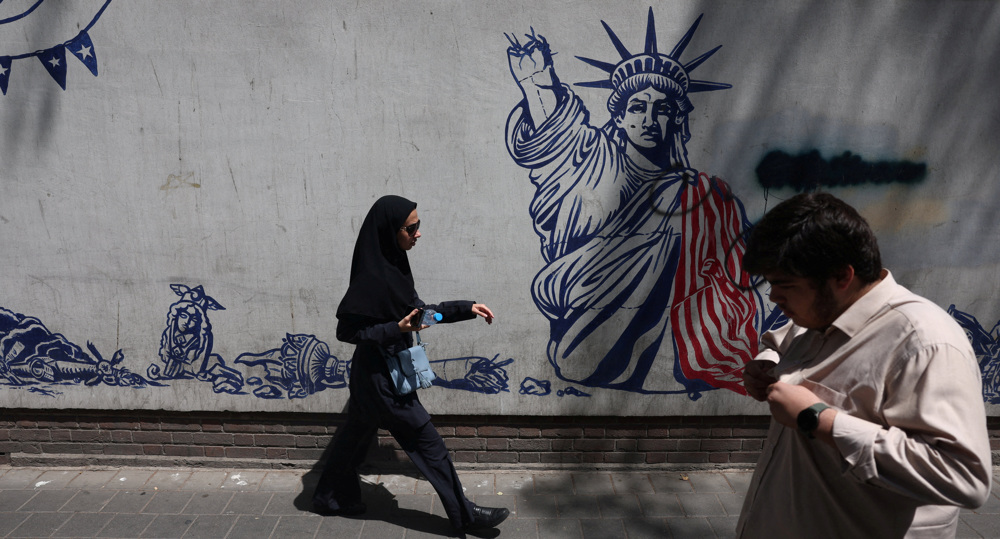
Iran, in turn, says it will not allow sanctions and a blockade to be imposed without imposing costs on the other side.
Iran's strategy is clear; from now on, the Strait of Hormuz will remain open as long as Iran's concerns are addressed and its security interests are respected.
Passage through the Strait will no longer come for free. The demands Iran is making in return for the actions taken by the US and its regional allies are entirely reasonable.
Iran is seeking verifiable security arrangements, the lifting of oil and banking sanctions, the release of Iranian assets, guarantees against another attack and the restoration of free trade.
Iran does not view the Strait of Hormuz as a weapon of war; it sees it as an Iranian asset that can be used as leverage in negotiations and Iran has already demonstrated that it can reopen the strait quickly and safely.
Naser Torabi, International Affairs Expert
This is where the Islamabad MOU, despite all its disputes and shortcomings, still matters to Tehran.
If the framework is abandoned completely, any future agreement would have to start from scratch.
But if Islamabad remains the reference point, Iran can argue that some commitments have already been accepted, and that future negotiations should focus on implementing those commitments rather than introducing new demands by Washington.
If the negotiations resume, what will be different this time? Will the United States lift the blockade? Will sanctions actually be removed? Will Iran's frozen assets be released? Will US forces withdraw from around Iran? Will an end to the hostilities on all fronts, be guaranteed, and if the agreement is violated, will there be a mechanism to determine who violated it and impose a cost on the party responsible?
From Tehran's perspective, Islamabad is not a complete failure, it is a lesson. The understanding demonstrated that diplomacy was still possible even after a major war, but it also demonstrated that a ceasefire without reciprocal implementation of commitments is inherently fragile.
Iran says that the agreement was based on reciprocal commitments which were not realized due to US breaches. Do you think that this experience will lead Iran to require stronger guarantees next time?
Iran should seek guarantees that can be implemented quickly, such as the release of frozen Iranian assets, or guarantees in the form of tangible investments inside Iran that the US cannot later reverse.
Another key point is that concessions should be mutual, simultaneous, and phased.
For example, the US could first suspend a sanction, and Iran could then offer a concession regarding the Strait of Hormuz.
Some of the US commitments should also be backed by Congress, and our arrangements with Washington should be endorsed through binding U.N. Security Council resolutions, so that if the US walks away, it would face a much higher cost.
Dr Ehsan Movahedian, International Relations Specialist, ATU University
For Iran, the Islamabad MOU is not dead yet, but reviving it depends on one fundamental condition: a change in Washington's behavior.
Until then, the Strait of Hormuz will be more than a strategic waterway; it will simultaneously remain an instrument of Iranian deterrence, a test of the credibility of American diplomacy, and one of the most important indicators of where the confrontation between Tehran and Washington is heading.
And perhaps that is the most important lesson of these 60 days. A peace that exists only on paper is not enough for Tehran.

 This makes it easy to access the Press TV website