
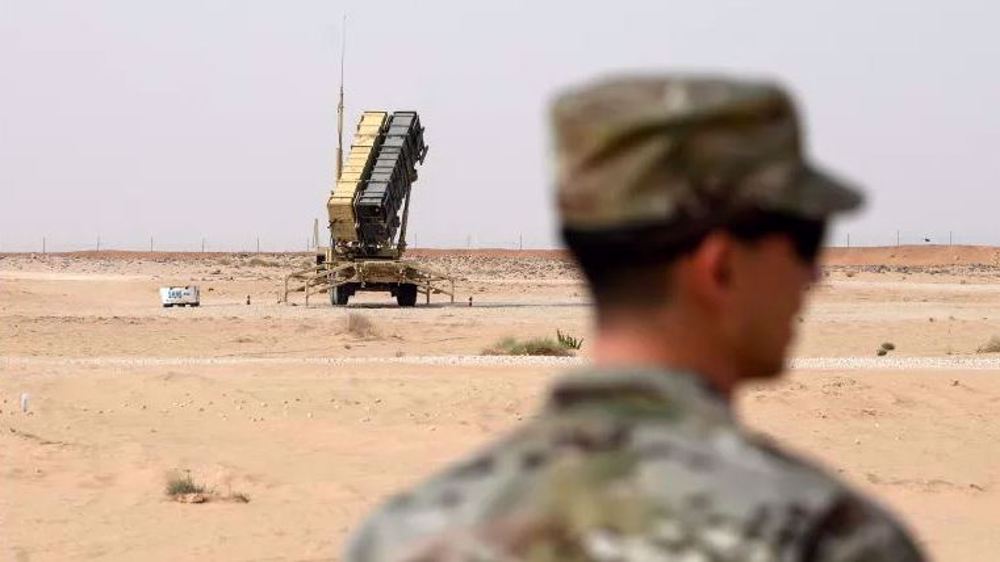
The US military is urgently seeking a low-cost missile interceptor to counter small drones, setting a target production cost of under $150,000 per unit for mass deployment, according to a media report.
“The missile production cost should be less than $150K per missile in a quantity buy of at least 5,000 missiles,” a procurement document on the US General Services Administration’s website said, according to RIA Novosti.
According to the specifications, the new interceptor must be capable of targeting small unmanned aerial vehicles (UAVs) weighing between 20 and 1,300 pounds at a range of up to 15 miles.
The system must also be able to launch in under five seconds and seamlessly integrate with existing anti-drone defense networks.
The US military expects the interceptor to achieve the required technological readiness following the completion of the initial test series by September 30, 2027, to enable rapid field deployment.
This scramble for affordable, mass-producible air defense solutions comes amid reports of severe depletion of US military capabilities following months of aggression against Iran.
The prolonged conflict has drawn Washington into a costly war of attrition, consuming vast quantities of its advanced missile stockpiles and raising serious concerns over the US military’s operational readiness.
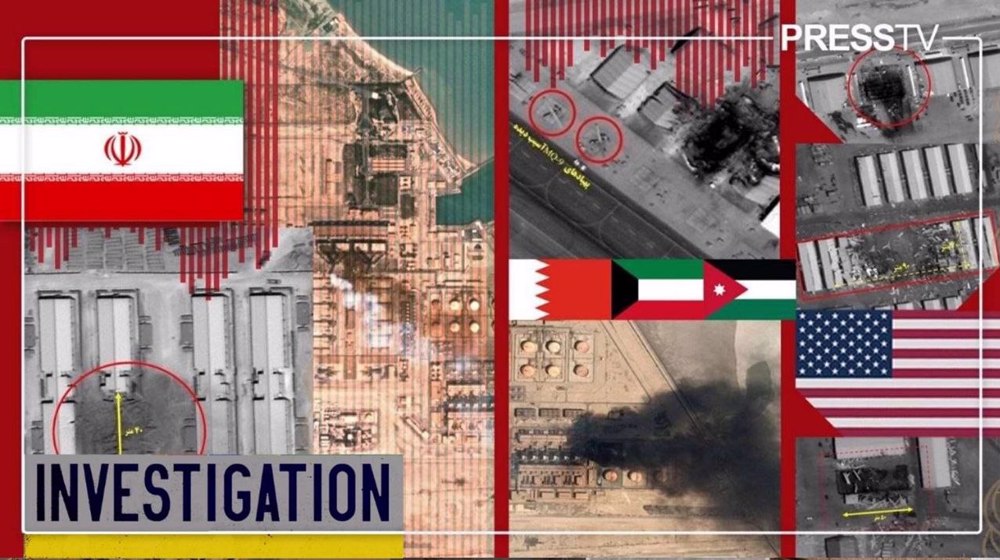
A Wednesday report by CNN said that the United States has burned through nearly 80% of its Terminal High Altitude Area Defense (THAAD) interceptor inventory and roughly half of its Patriot missile stockpile since the onset of the hostilities.
Furthermore, US forces have reportedly expended "virtually all" of their available long-range Army Tactical Missile Systems (ATACMS) and Precision Strike Missiles (PrSM).
The critical shortage has left the Pentagon’s munitions stockpile "dangerously low," with replenishment rates lagging significantly behind consumption.
Current delivery schedules show the Pentagon is receiving only about 20 new Patriot missiles per month, leading analysts to estimate it could take three or more years to rebuild THAAD inventories to pre-war levels.
This severe logistical strain has reportedly begun to influence US strategic calculations, raising concerns among regional allies about Washington's ability to provide adequate air defense coverage and forcing a reevaluation of further military escalation in the region.
 This makes it easy to access the Press TV website