
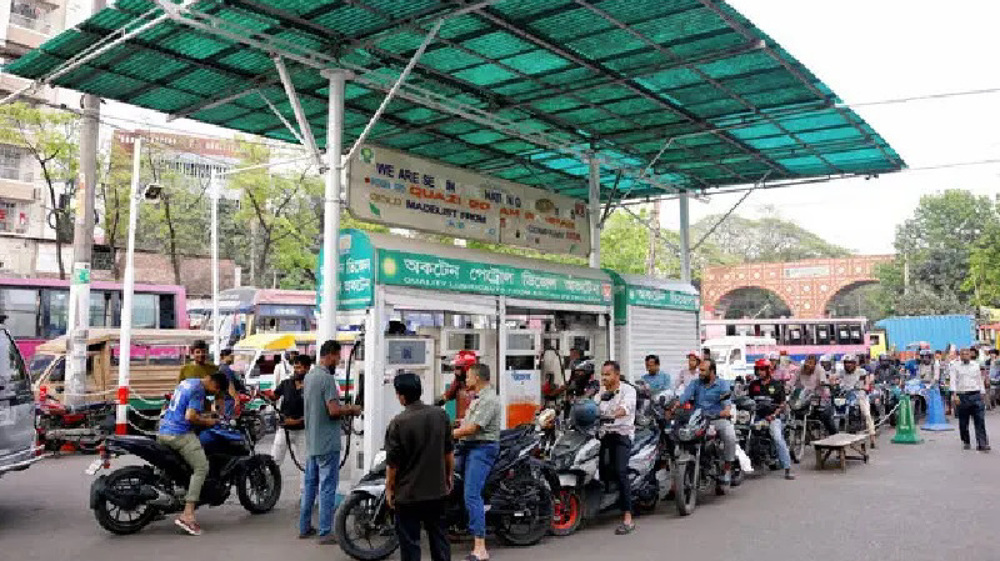
Terry Hughes runs a busy service station on the border between Ireland and the UK, based in Belleek, linking Donegal and Fermanagh; he supplies fuel to motorists, hauliers, farmers, homes, and businesses while also running a grocery store.
He says the war in Iran, which was instigated by Israel and the United States, is causing great hardship.
Look, people are hurting. The price of everything goes up, if fuel goes up.
So it's not only just hitting them when they're filling their cars, hitting them on their groceries, hitting them their electric bills is going up through the roof as well.
And you know, it's just a general panic in people that I suppose prices are going up and their wages aren't going up to match.
Terry Hughes, Fuel and Grocery Retailer

A growing number of customers accuse Terry of price gouging, but he insists he's simply passing on higher costs from suppliers.
We're seeing that there every day now with price updates from suppliers, just regarding everything, really, I couldn't actually tell you the last time I seen somebody send through a price that showed a reduction.
Terry Hughes, Fuel and Grocery Retailer]
The illegal war on Iran is ripping through the global economy, but some countries are more exposed than others.
Irish households and businesses remain particularly vulnerable because Ireland imports 100% of its oil and almost all of its gas, so global energy prices feed very quickly into petrol, diesel, heating oil, and electricity bills.
Of course, Northern Ireland is also feeling the squeeze, with authorities warning that energy prices could rise much higher as demand increases during the upcoming winter months.
Even everyday essentials like milk and bread have soared in price, putting more pressure on families. Like countless others around the world, Terry is praying that diplomacy can take center stage, so that life can turn to some kind of normality.

Gasoline is also becoming scarce and therefore expensive in Austria; the government has already introduced a temporary fuel price cap, which took effect on April 1st.
As early as mid-March, the head of the partially state-owned Austrian Mineral Oil Administration warned of a gasoline shortage if the war in West Asia and the closure of the Strait of Hormuz were to last longer.
Hussein Hatum, an entrepreneur who deals with used cars, is one of those directly affected by rising petrol prices.
We export used vehicles abroad, including to Africa and West Asia. Shipping costs have risen dramatically, with shipping companies driving up prices.
Overall, transport has become very expensive. Demand has plummeted.
In Africa, the closure of the Strait of Hormuz has made life more expensive, and people can no longer afford our cars.
In West Asia, our trade has completely collapsed.
There is no demand anymore.
Hussein Hatum, Second Hand Cars, Austria
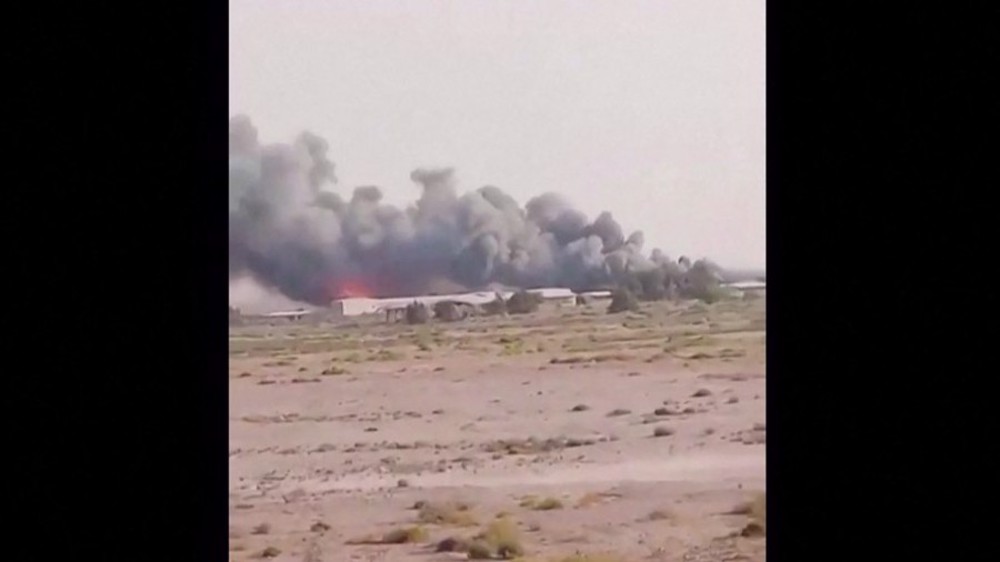
He told Pres TV that he feels the effects of the closure of the Strait of Hormuz very strongly, costs have risen and demand has fallen.
People are uncertain about what the future holds. As a result, they aren't buying anything, and his goods are piling up.
Things have become difficult for the company.
The money saved for the company now has to be used to pay your employees' wages.
Thankfully, I haven't had to lay off any employees yet, but if things continue like this, I'll have to send some on leave.
Hussein Hatum, Second Hand Cars, Austria
Tourism, one of Austria's main sources of income, has also been hit hard.
According to the Austrian Hotel Association, cancellations have occurred among tourists from the Arab world and Asia.
Flight cancellations, rising ticket prices, and general uncertainty have led tourism associations to report significant cancellations and declining bookings in March.
However, it's not just wealthy tourists from the Persian Gulf states who are staying away. The industry is also seeing a drop in tourists from the Far East who previously used Qatar and Dubai as hubs to fly to Austria.
If the war drags on, economists warn that the impact could spread beyond the tourism and transport sectors.
Businesses already struggling with higher energy costs, weaker consumer demand, and disrupted trade routes may be forced to cut expenses by reducing their workforce.

 This makes it easy to access the Press TV website