Israel uses 700 tons of explosives in new attacks on Lebanon
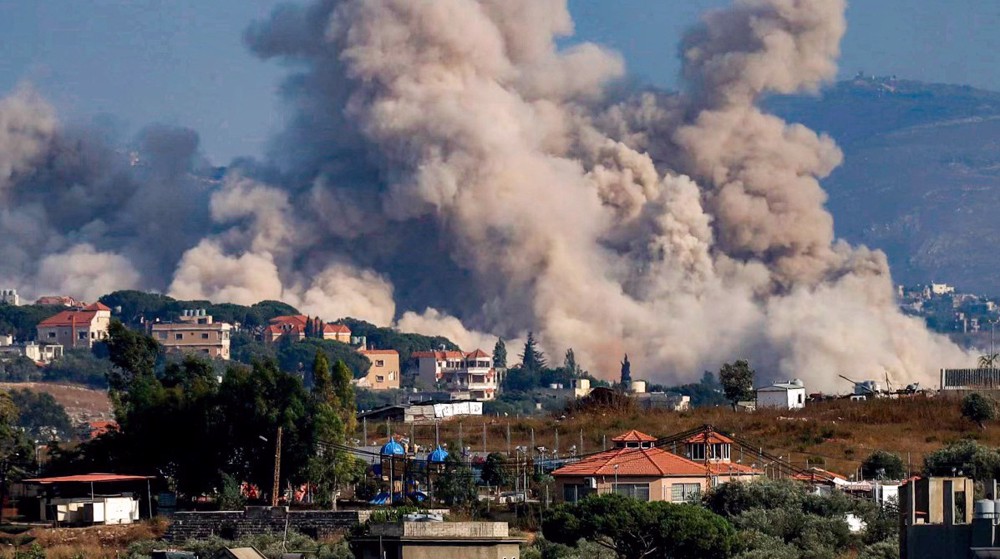
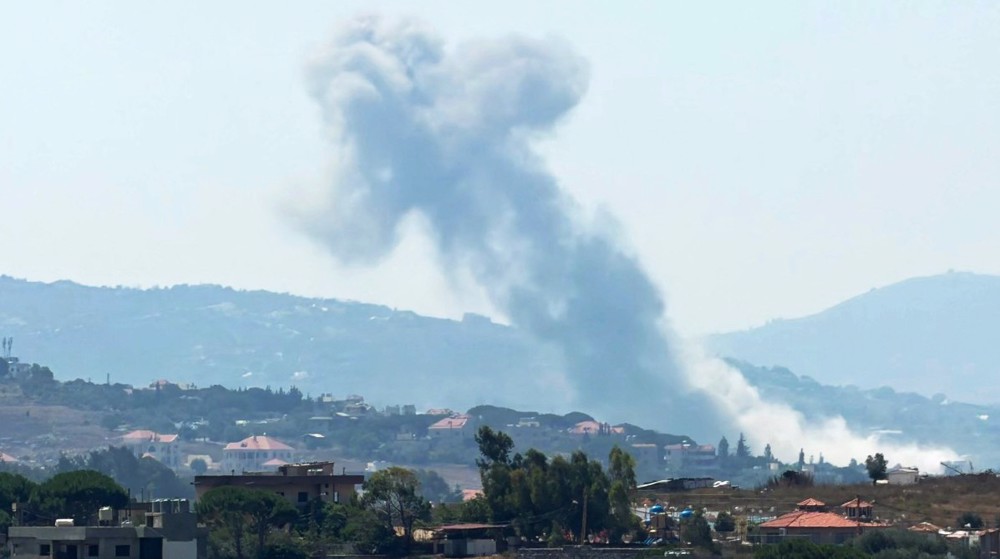
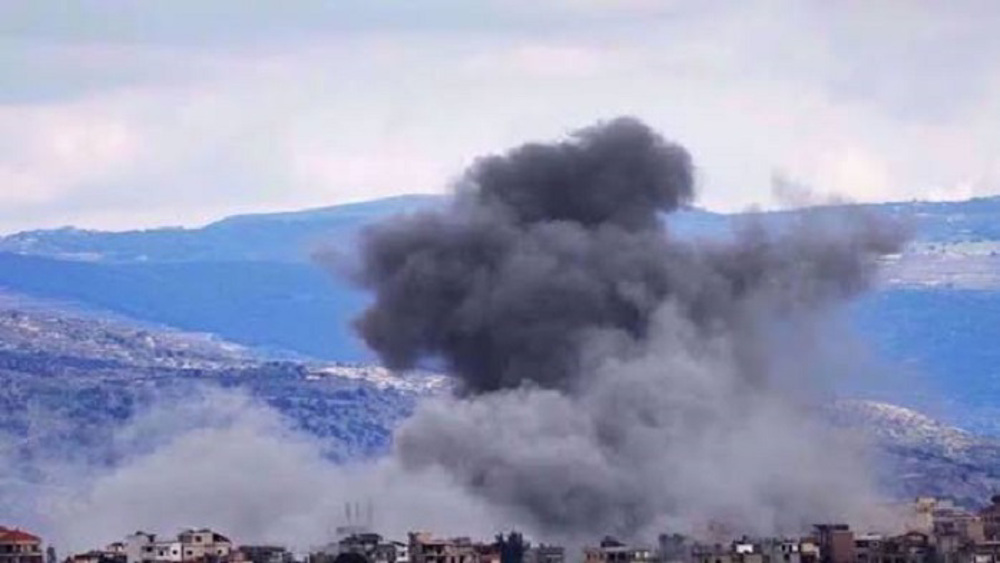
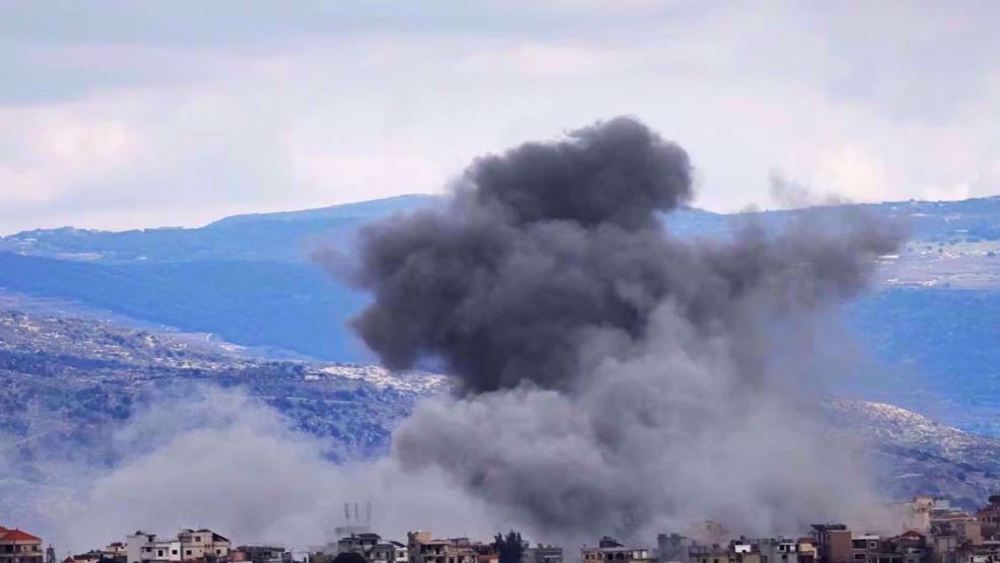
The Israeli military has conducted new attacks near Shaqif Fortress (Beaufort Castle) in southern Lebanon, causing huge explosions in adjacent areas.
Lebanese media reported Israeli bombings on the villages of Yohmor al-Shaqif, Haddatha, and Kfar Tebni.
Israeli prime minister Benjamin Netanyahu and minister of military affairs Israel Katz announced late Thursday in a joint statement that the regime’s army had used 700 tons of explosives to target alleged tunnels of Lebanon’s Hezbollah resistance movement in the area.
They said the assault was planned for an earlier date but had been postponed due to last month’s US-mediated framework deal between Israel and Lebanon.
They also noted that the occupation’s military “will remain in the security zone in southern Lebanon and will continue to destroy all … infrastructure to prevent any attempt by Hezbollah to restore its capabilities.”
The framework agreement, signed on June 26, calls for the withdrawal of Israeli occupation forces from southern Lebanon alongside the deployment of the Lebanese army.
Since its signing, however, Israel has continued its military aggression across southern Lebanon, carrying out airstrikes, demolitions and the burning of homes in border towns.
According to official Lebanese figures, Israeli attacks have killed at least 4,333 people, injured more than 12,236 others and displaced over one million since March 2.
Israel continues to occupy areas in southern Lebanon, including territories it has held for years as well as others it seized during the 2023-24 onslaught.
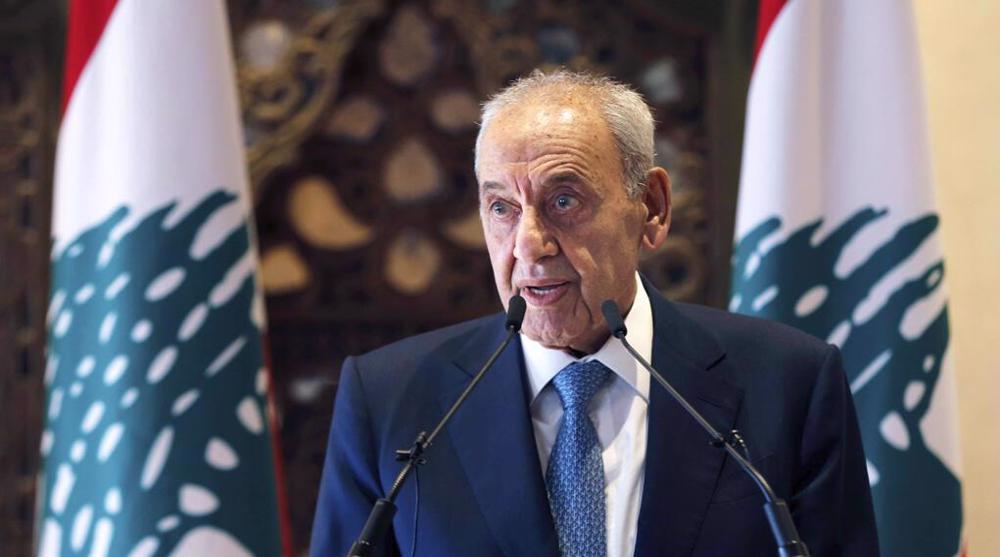
Lebanese Parliament Speaker Nabih Berri said on Friday that Israel has no intention of conducting a full withdrawal from Lebanese territory.
In comments to the Lebanese newspaper Al-Akhbar, Berri said his Wednesday meeting with President Joseph Aoun was intended to convey that "all evidence indicates that Israel has no decision to withdraw from Lebanese territory before the elections".
"The agreement was stillborn, and no one speaks of it anymore," Berri was quoted as saying. "Israel buried it through its non-compliance."
The speaker, a senior figure who heads the Amal Movement, also said Netanyahu faces a "serious risk of collapse" .
The June 26 framework agreement, signed by Lebanese and Israeli ambassadors in Washington, provides for a phased Israeli withdrawal from southern Lebanon alongside the deployment of the Lebanese army and the dismantling of Hezbollah's military infrastructure.
But Israel would be permitted to remain in an expanded security zone for the time being, according to reporting on the deal .
Berri has consistently rejected the agreement, describing it in late June as "diktats" that "won't be implemented". He has also warned that the deal could incite internal divisions and draw Lebanese into confrontation among themselves.
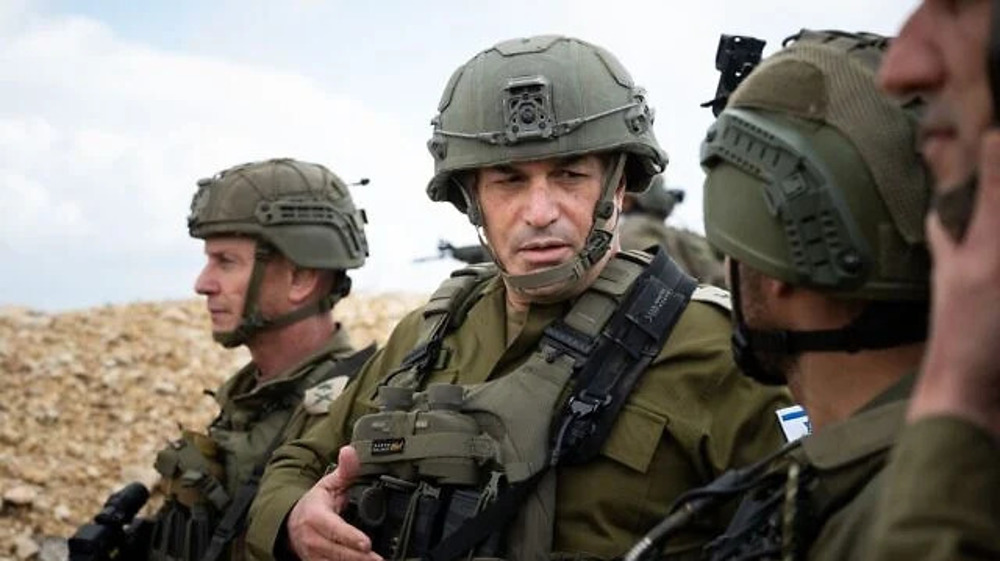
On Thursday, Lebanese Army Commander General Rudolphe Haykal warned that Israel is attempting to incite internal unrest in the Arab country.
He stressed the need for national vigilance and unity to counter Israeli conspiracies against Lebanon.
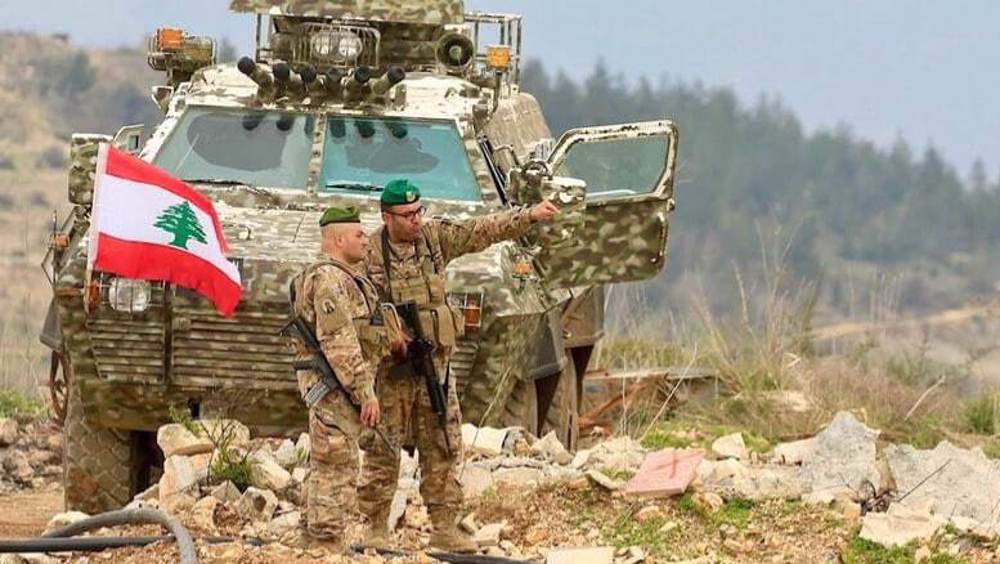
Haykal said the Lebanese army remains ready to deploy "to all areas from which Israeli occupation forces withdraw," but warned that the Zionist regime is deliberately undermining that process.
"The occupation persists in its attacks and repeated violations to obstruct the army's efforts," he asserted.
Despite challenges, the Lebanese military is committed to fulfilling its national duties, including securing the northern and eastern borders, monitoring maritime boundaries, and combating terrorism, he said.
The comments came days before Lebanese and Israeli officials are expected to meet indirectly in the Italian capital of Rome on August 4 to discuss the implementation of the framework deal’s security arrangements.
‘Plant the earth with our bodies’: Hezbollah fighters reaffirm readiness for protracted war against
Israel continues Lebanon destruction, envoy expresses solidarity with Israeli ambassador
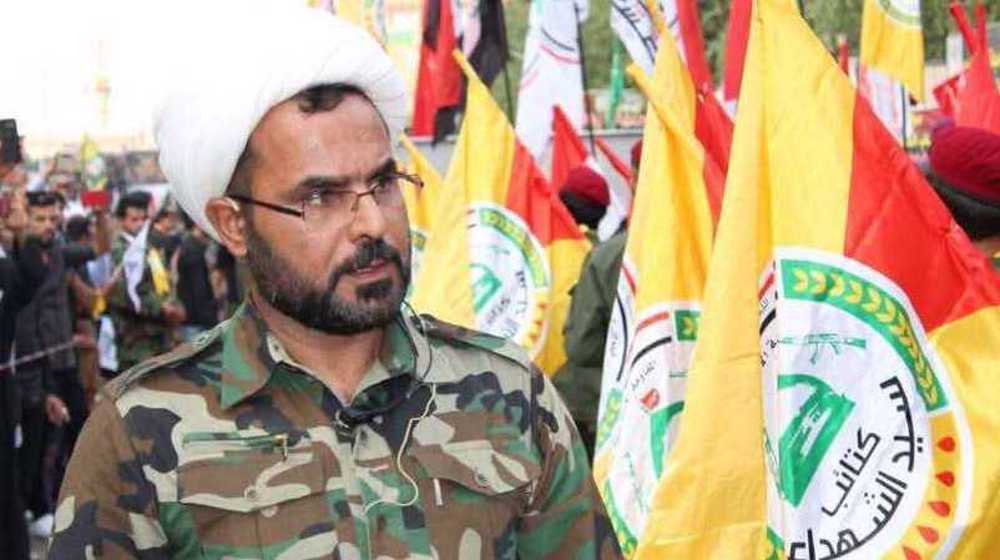
Iraqi resistance group rejects disarmament, vows to maintain support for Lebanon



Israeli restrictions on access in Gaza an obstacle to aid, shelter: UN
VIDEO | Israeli attacks, restrictions devastate Gaza’s olive industry
‘We are not armed’: Last conversation of Iranian destroyer Dena before US attack
Trump’s Iran gamble turns into a search for an exit
Remains of 105 Palestinians retrieved from Gaza rubble
VIDEO | Iraqis mark Sovereignty Day as they celebrate withdrawal of US forces
‘Baseless news’: Iran debunks US claim of ordering Araghchi to leave NY
Pakistani airstrikes in Afghanistan kill 9 amid renewed escalation


 PressTV NEWSLETTER
now
PressTV NEWSLETTER
now
 This makes it easy to access the Press TV website
