

The West assassinated the Leader of the Islamic Revolution, Ayatollah Seyyed Ali Khamenei, because of his leadership and efforts to support the liberation of Palestine, says a member of Yemen’s Ansarullah resistance movement.
During an interview on Sunday, Mohammed al-Bukhaiti said Ayatollah Khamenei’s influence extended far beyond Iran’s borders.
He described the martyred Leader as a symbol of resistance and freedom for nations seeking independence from American and Zionist domination.
“His intellectual and political vision across the Islamic world, together with his efforts to liberate Palestine, were among the main reasons the West became determined to assassinate him,” al-Bukhaiti said.
He added that the martyred Leader’s legacy would continue to inspire people striving for dignity, sovereignty, and resistance, saying his name and memory would remain a source of inspiration for future generations.
Ayatollah Khamenei was martyred following the launch of the latest round of unprovoked US-Israeli aggression against Iran on February 28, triggering widespread condemnation from Iran and its allies.
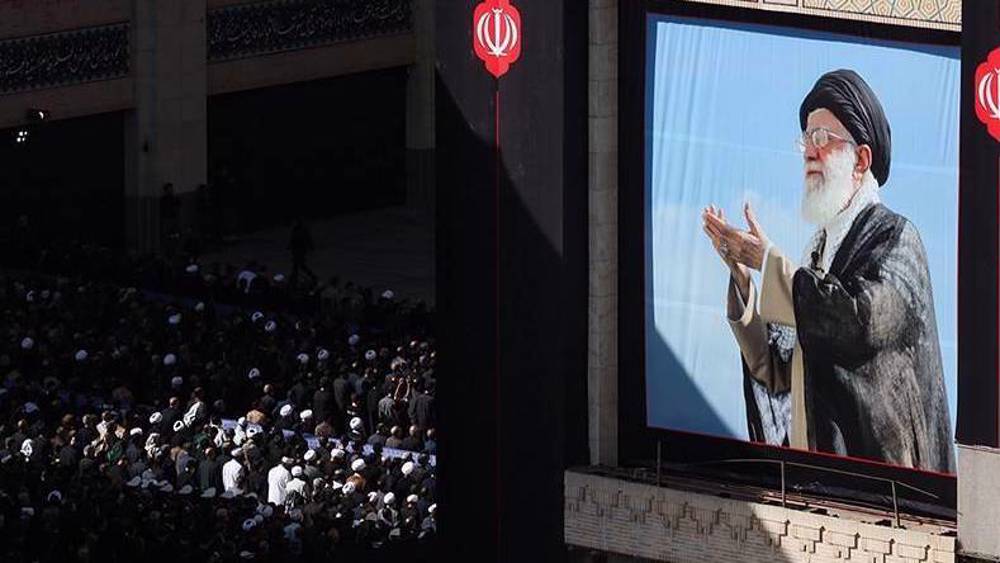
Millions of Iranians and supporters of the Axis of Resistance across the region mourned his martyrdom, holding ceremonies and tributes in his honor.
On Friday, heads of state, senior officials, religious leaders, and other international dignitaries paid tribute to the martyred Leader during official ceremonies in Tehran.
The farewell ceremony for the martyred Leader began early Saturday at the Grand Imam Khomeini Mosalla and will continue through Sunday.
The main funeral procession in Tehran is scheduled for Monday, followed by ceremonies in Qom on Tuesday and special farewell and funeral ceremonies in the holy Iraqi cities of Najaf and Karbala on Wednesday.
The final ceremony will be held in Mashhad on Thursday, where Ayatollah Khamenei will be laid to rest at the Imam Reza Shrine.
 This makes it easy to access the Press TV website