Iran in talks with Oman on toll system for Hormuz Strait: Envoy

The Iranian ambassador to France says the Islamic Republic and Oman have been discussing a permanent toll system for the Strait of Hormuz.
Mohammad Amin-Nejad made the remarks in an interview with Bloomberg in Paris, as the strategic waterway responsible for a fifth of global oil demand has remained under Iranian control after the illegal US-Israeli war of aggression.
"Iran and Oman must mobilize all their resources both to provide security services and to manage navigation in the most appropriate manner," he said.
"This will entail costs, and it goes without saying that those who wish to benefit from this traffic must also pay their share.”
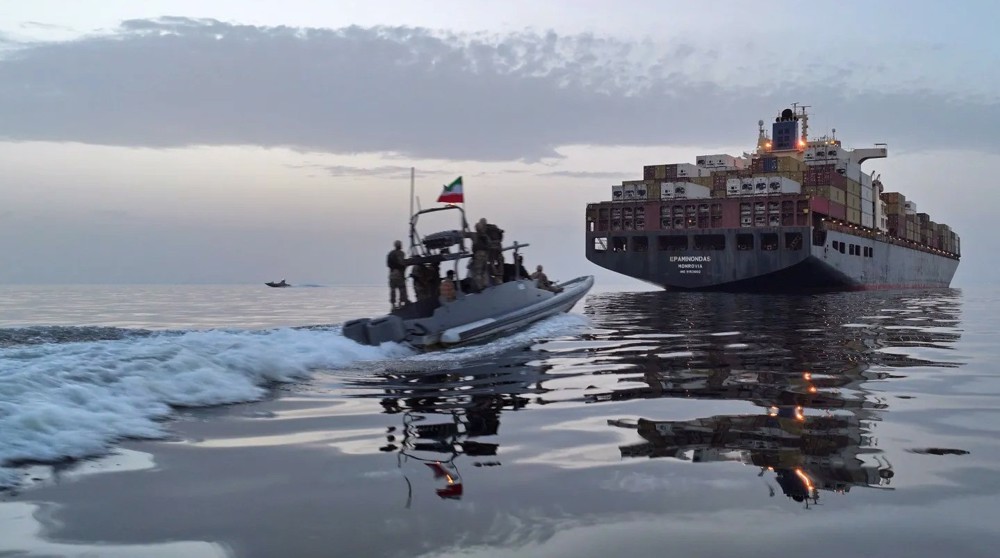
Iran has administered transit through the Strait of Hormuz since the early days of the unprovoked US-Israeli aggression on the country that began on February 28 and stopped under a Pakistan-brokered ceasefire on April 8.
Authorities say coordinated passage through the waterway is allowed for all ships except for those linked to the US and the Israeli regime and associated entities.
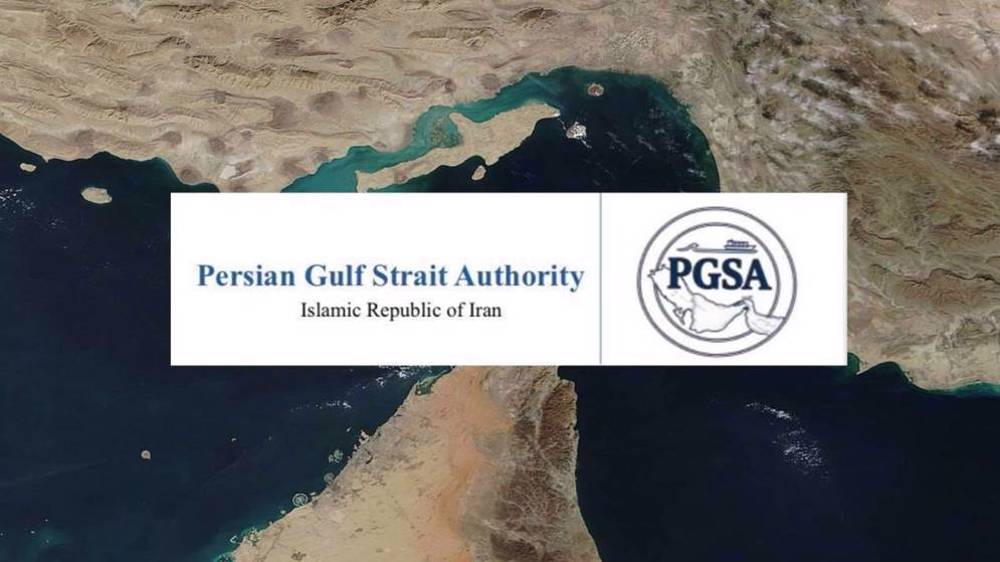
Iran recently introduced the Persian Gulf Strait Authority (PGSA) as a new institutional mechanism to regulate and oversee vessel traffic through the strait, which connects the Persian Gulf to the Indian Ocean.
Iran's @PGSA_IRAN has defined a regulatory zone for the Strait of Hormuz from Kuh-e Mubarak to Fujairah in the east and Qeshm Island to Umm Al-Quwain in the west, requiring all transiting vessels to obtain prior authorization.
— Press TV 🔻 (@PressTV) May 21, 2026
Follow: https://t.co/B3zXG74hnU pic.twitter.com/wmbApTe3Xh
The Iranian envoy said that traffic has not been completely interrupted in the waterway and that the decline in the number of transiting ships is due to exorbitant insurance costs.
Last month, the United States launched a military campaign supposedly aimed at forcibly reopening the Strait of Hormuz, but it was forced to stop the maneuver amid Iran’s steadfast resilience against American piracy and threats to maritime security.
Additionally, in his remarks, Amin-Nejad noted that "accumulated misunderstandings" between Iran and the Persian Gulf Arab countries could be easily solved once the war stops.
"The most painful or difficult moments for us were those when we had no choice but to attack military bases located on the soil of those countries, from which Iranian territory was being attacked," he added, referring to Iran’s retaliatory strikes against US military facilities in the region.
Meanwhile, the ambassador said the Americans underestimated Iran's resilience and thought that “by putting pressure on the Iranian people, through sanctions and a sort of total embargo, they would be able to completely resolve the issue within three or four days.”
Egypt pressures Al-Azhar 'to back UAE' in US-Israeli war on Iran: Report
Iran demands punishment for US-Israeli strike on Pasteur Institute

Yemen reaffirms support for Iran against any potential aggression



Iran says agreement with US not yet near as Pakistan continues mediation role
Trump's top spy resigns under White House pressure over illegal war on Iran
US economic confidence hit four-year low due to aggression against Iran: Survey
‘Unbelievable miracle’: IRGC hails creators of epic nighttime gatherings
US naval blockade against Iran ‘illegal’, amounts to ‘war crime’: Envoy
Foreign powers aim to take control of Yemen, exploit its resources: Ansarullah leader
Ireland pushes for EU trade ban on Israeli settlements amid widespread violations
Pakistan army chief arrives in Tehran amid Iran-US mediation push



 PressTV NEWSLETTER now
  This makes it easy to access the Press TV website