Israel ‘serious obstacle’ to nuke-free West Asia: Iranian diplomat
The Iranian deputy foreign minister for legal and international affairs says Israel’s weapons of mass destruction (WMDs) are a “serious obstacle” to the establishment of a West Asia free of nuclear arms.
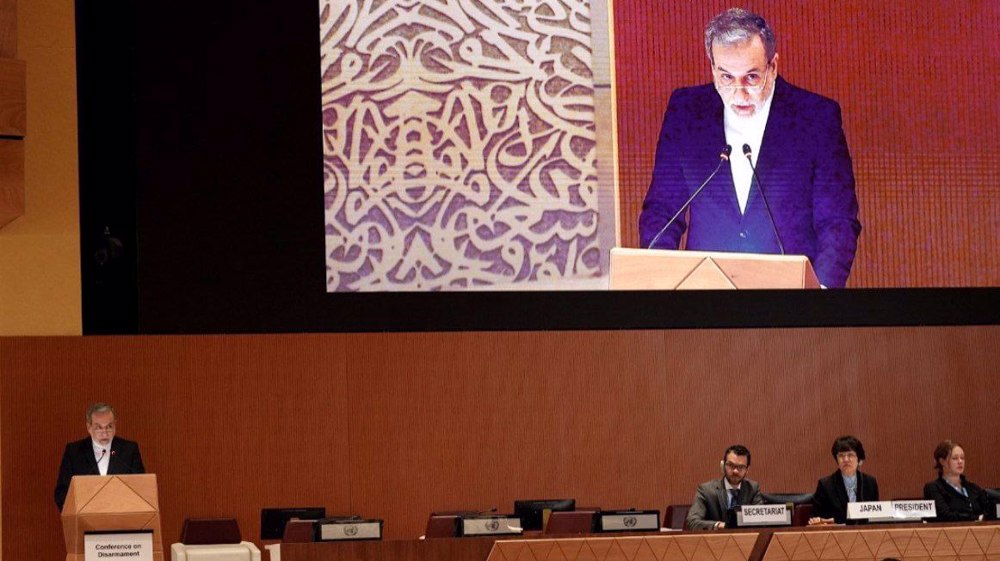
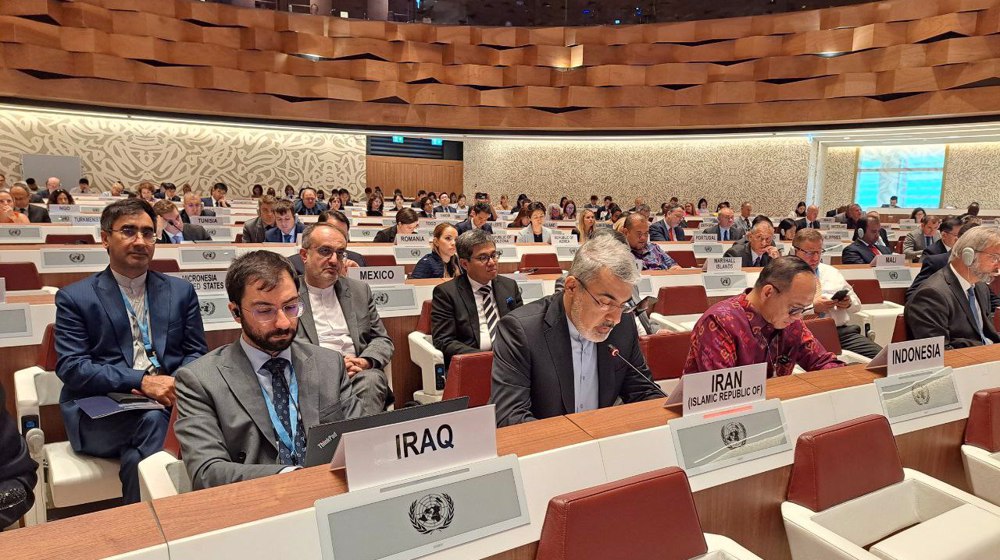
Speaking at the Conference on Disarmament in the Swiss city of Geneva on Monday, Kazem Gharibabadi said Iran’s long-standing initiative to create a zone free of nuclear weapons and other WMDs in West Asia requires universal adherence to the Nuclear Non-Proliferation Treaty (NPT) and the placement of all nuclear facilities in the region under the comprehensive Safeguards Agreements.
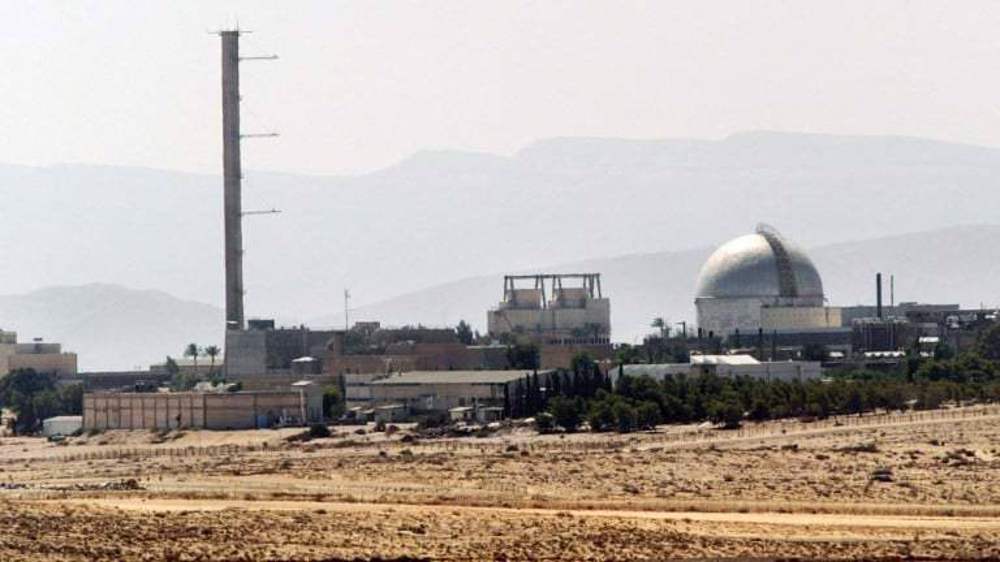
Israel is estimated to possess 200 to 400 nuclear warheads in its arsenal, making it the sole possessor of non-conventional arms in West Asia.
The occupying regime has refused to either allow inspections of its nuclear sites or sign the NPT.
Unlike Israel, Iran is a signatory to the NPT and has long been cooperating with the International Atomic Energy Agency (IAEA).
At the Conference on Disarmament in #Geneva, Kazem Gharibabadi, Deputy FM for Legal & Int’l Affairs, said Israel’s WMD arsenal blocks a WMD-free Middle East, reaffirming #Iran’s inalienable right to peaceful nuclear energy under intl law. https://t.co/3A5tJXGytr pic.twitter.com/1AgFuMbfCp
— Government of the Islamic Republic of Iran (@Iran_GOV) February 23, 2026
Also in his remarks, Gharibabadi called the NPT the cornerstone of the global non-proliferation and disarmament regime.
“Iran has always been committed to its obligations under the NPT.”
"The Islamic Republic does not have nuclear weapons, has never sought to acquire them, and has no intention of doing so. Iran’s nuclear program is entirely peaceful and is guided by the country’s legal obligations and its ideological and moral principles, which reject WMDs,” the Iranian official said.
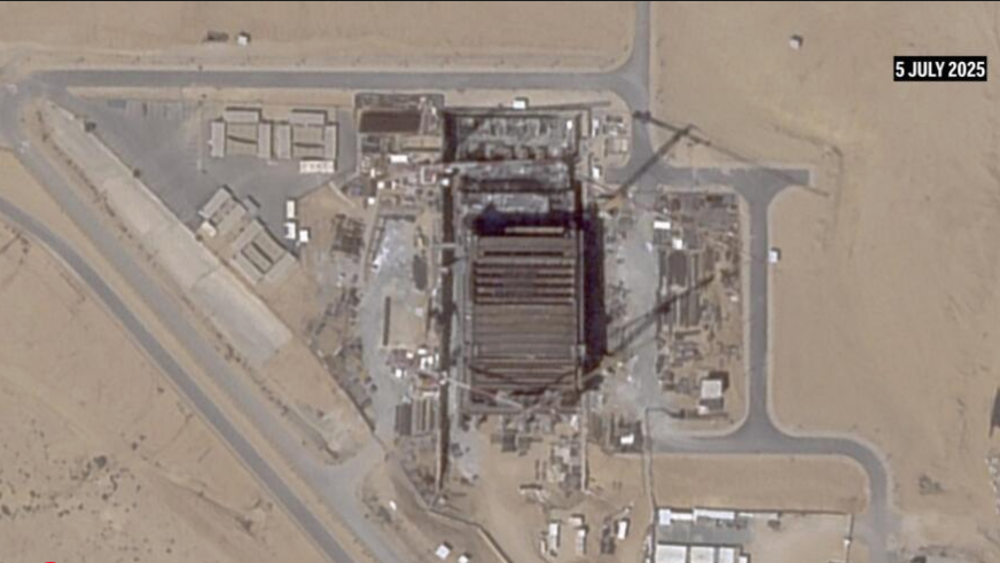
Gharibabadi placed a premium on Iran’s inherent and non-negotiable right to peaceful nuclear energy, saying it cannot be suspended or revoked as a precondition for negotiations.
He was referring to indirect nuclear negotiations between Iran and the United States amid escalating tensions caused by the US military threats against Iran and the build-up of American forces in the region. The two sides held two rounds of Oman-mediated talks on February 6 and 17, with a third round expected on February 26.
Gharibabadi said any sustainable dialogue must be based on mutual respect, equal treatment, and non-selective implementation of international rules.
“While choosing the path of diplomacy, the Islamic Republic of Iran is fully prepared to defend its sovereignty, territorial integrity, and nation, and if necessary, will exercise its inherent right of self-defense in accordance with the UN Charter.”
He said lasting peace is based on dialogue, the rule of law, and true multilateralism, and that it cannot be achieved through pressure and threats.
The continuation of armed conflicts, Israel’s occupation and crimes in West Asia, and the weakening of the fundamental principles of the UN Charter pose serious challenges to global peace and security, the Iranian official warned.
Iran, Oman jointly postpone Persian Gulf foreign ministers’ meeting
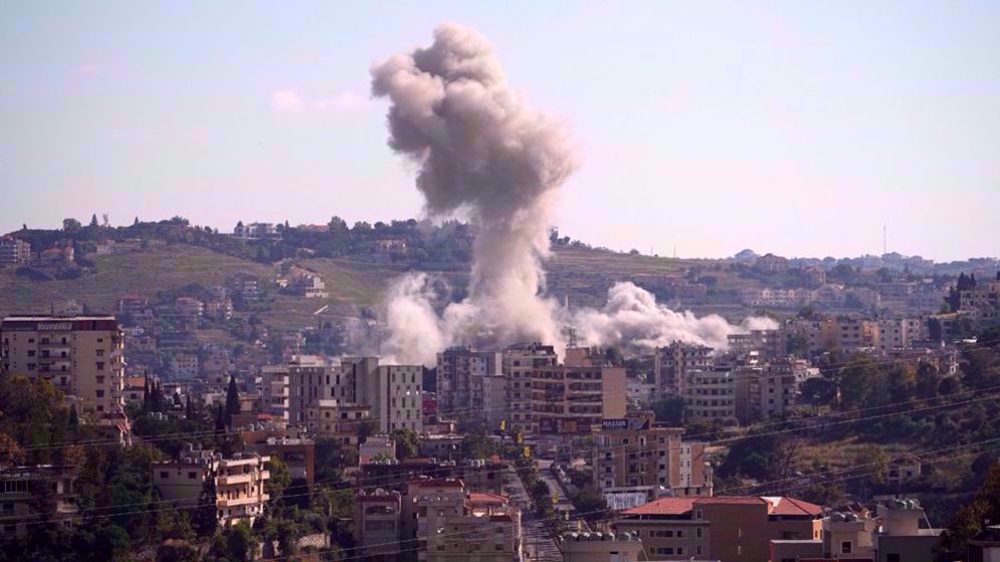
Iran calls on UN to protect Lebanese civilians as Israel’s attacks continue
Oman deal will not mean reopening of Hormuz Strait: Iran FM



VIDEO | Iraq’s fuel crisis deepens amid supply disruptions
US tested Lockheed cluster missiles on Iranian civilians, Baghaei says
Iran, Oman jointly postpone Persian Gulf foreign ministers’ meeting
VIDEO | Gaza’s women: The sole providers of families shattered by war
VIDEO | News Review: Trump’s comments on Irish unification spark backlash among his British allies
VIDEO | Press TV's news headlines
Yemen reports 58 Saudi attacks in one day, vows decisive response
VIDEO | US failed economic policy on Iran


 PressTV NEWSLETTER
now
PressTV NEWSLETTER
now
 This makes it easy to access the Press TV website
