Cuba declares national mourning for 32 citizens killed in US aggression against Venezuela
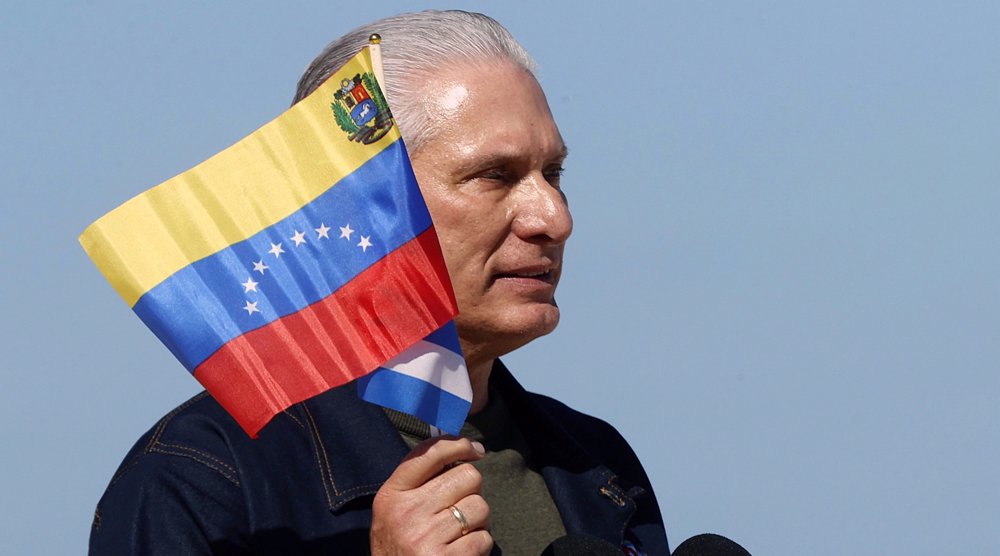
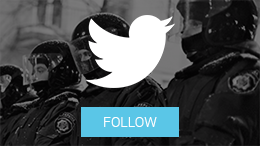
Cuban President Miguel Diaz-Canel has announced two days of national mourning for 32 citizens killed during the United States military aggression against Venezuela to abduct President Nicolas Maduro and his wife in Caracas.
Diaz-Canel said on Sunday that the victims, deployed at the request of Venezuelan authorities, were carrying out missions on behalf of Cuba's Revolutionary Armed Forces and Ministry of the Interior.
He noted that there would be two days of mourning on January 5 and 6 in honor of those killed, and that funeral arrangements would be announced.
During the nationwide mourning, national flags will be flown at half-staff at public buildings and military institutions, and all public performances and festive activities will be suspended.
The Cuban leader highlighted that the fallen combatants “fell in direct combat against the attackers or as a result of the bombing of the facilities” after offering “fierce resistance.”
Diaz-Canel said those killed carried out their duties with honor, and reflected Cuba’s long-standing spirit of international solidarity.
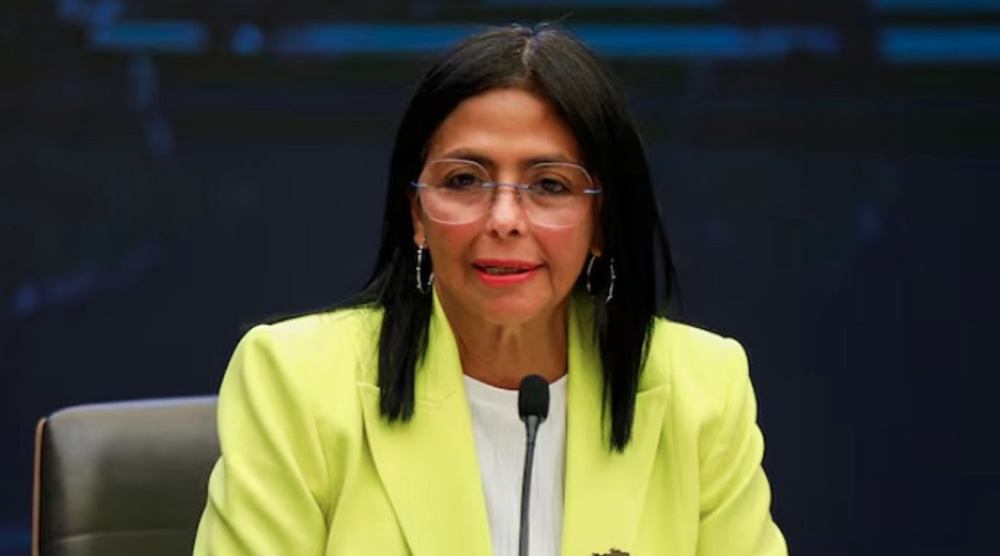
Venezuela also paid tribute to the fallen Cubans, with the government in Caracas saying it “honors the 32 Cuban combatants who gave their lives in the fulfillment of their duty, in the context of cooperation and defense missions.”
Cuba is a close ally of Venezuela's government, and has sent military and police forces to assist in operations in the Latin American country for years.
Earlier, US President Donald Trump said a significant number of Cuban security personnel assigned to protect Maduro were killed during Saturday’s raid.
Maduro and his wife, Cilia Flores, arrived in New York late on Saturday and are currently being held at the Metropolitan Detention Center in Brooklyn.
US authorities say the couple faces drug-related charges. The 63-year-old Venezuelan leader is due to appear in court on Monday. He has vigorously rejected criminal involvement.
The assault followed months of escalating US aggression, including military deployments across South America, deadly strikes on vessels in the Caribbean and eastern Pacific, and open threats against Venezuela’s elected government.
Venezuelan officials had repeatedly warned Washington was pursuing “regime change” to gain control over the country’s vast energy wealth.
US judge strikes down Trump’s immigrant visa ban on 75 countries
Global impact of US war against Iran
Canada vows ‘dollar-for-dollar’ tariff retaliation as Ottawa-Washington trade war escalates


Pezeshkian: World astonished by Iran's resilience in face of US-Israeli wars
Focus on youth and training camps key to building future generations: Weightlifting chief
VIDEO | Iraqis condemn UK ambassador’s call for armed groups to disarm, warn against foreign intervention
VIDEO | Iran marks Intl. Day of Victims of Terrorism at Foregn Ministry
Israeli chief rabbi denies Palestinians’ existence, rights in ‘hate-filled’ rhetoric
Pro-Israeli US lawmaker asks AIPAC to stay away from campaign: Report
Hamas hails ex-French, UK diplomats urging sanctions on Israel over Palestine
Chainsaw-wielding terrorist arrested during Iran’s foreign-backed riots executed



 PressTV NEWSLETTER
now
PressTV NEWSLETTER
now
 This makes it easy to access the Press TV website
